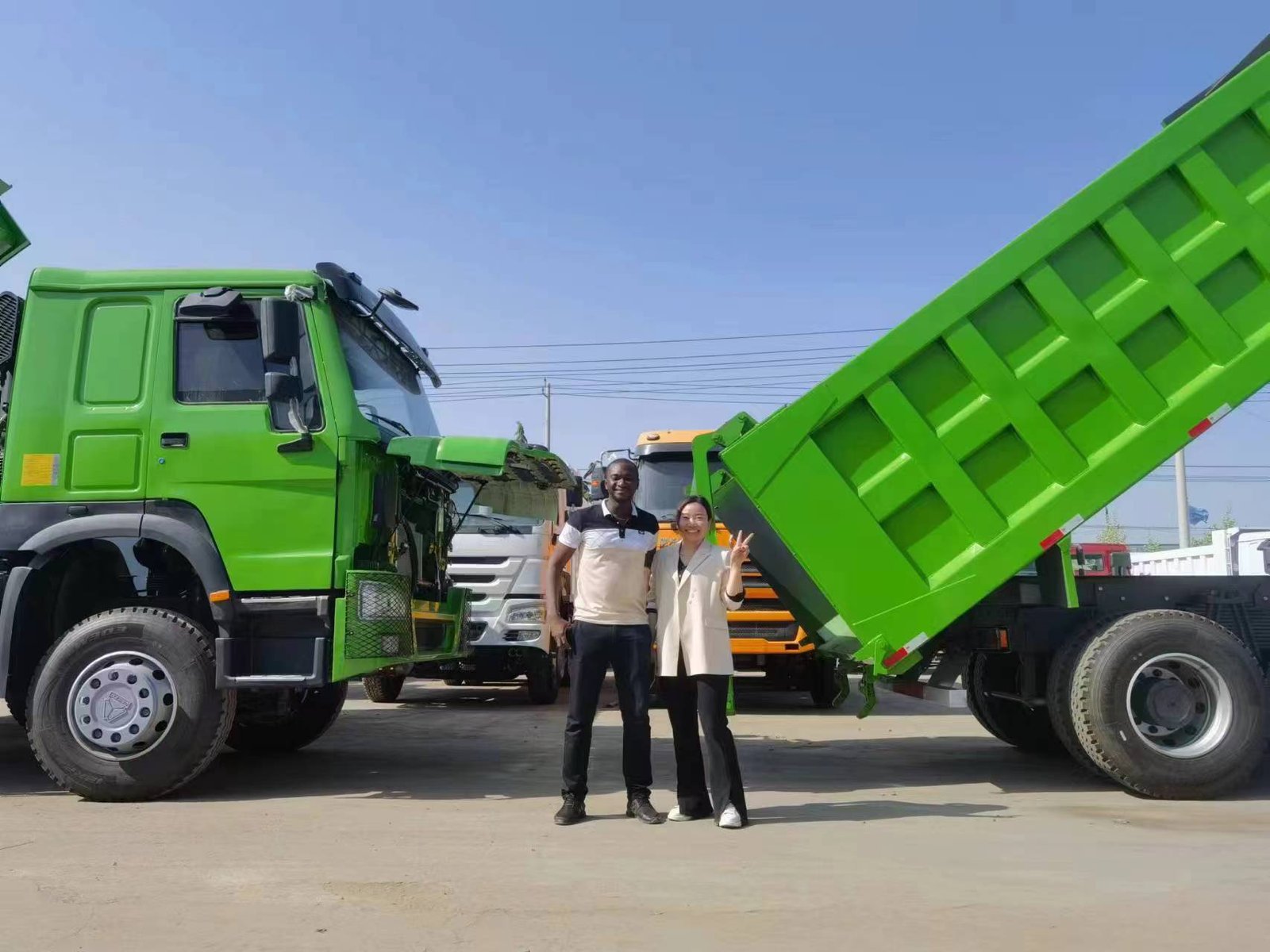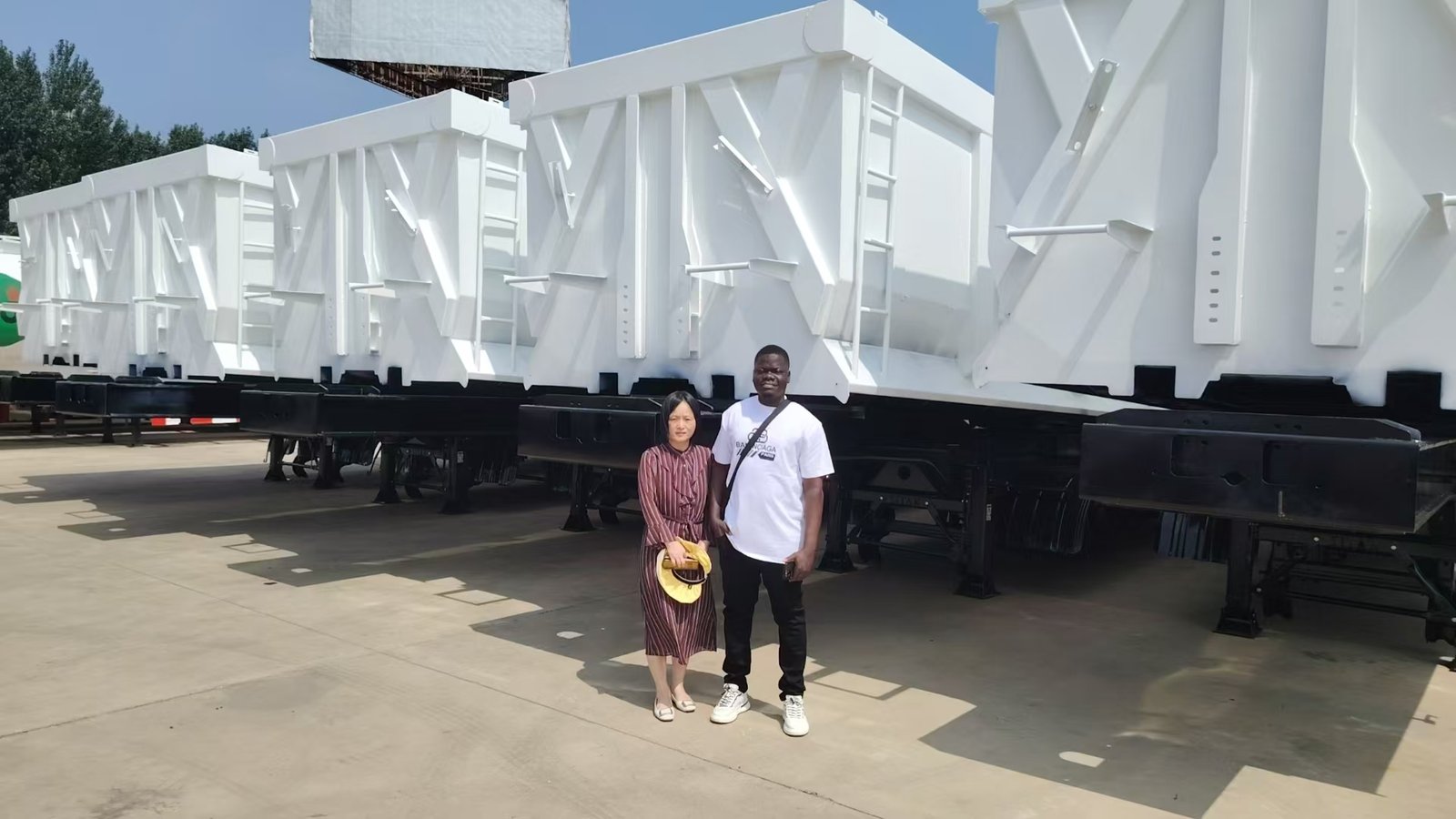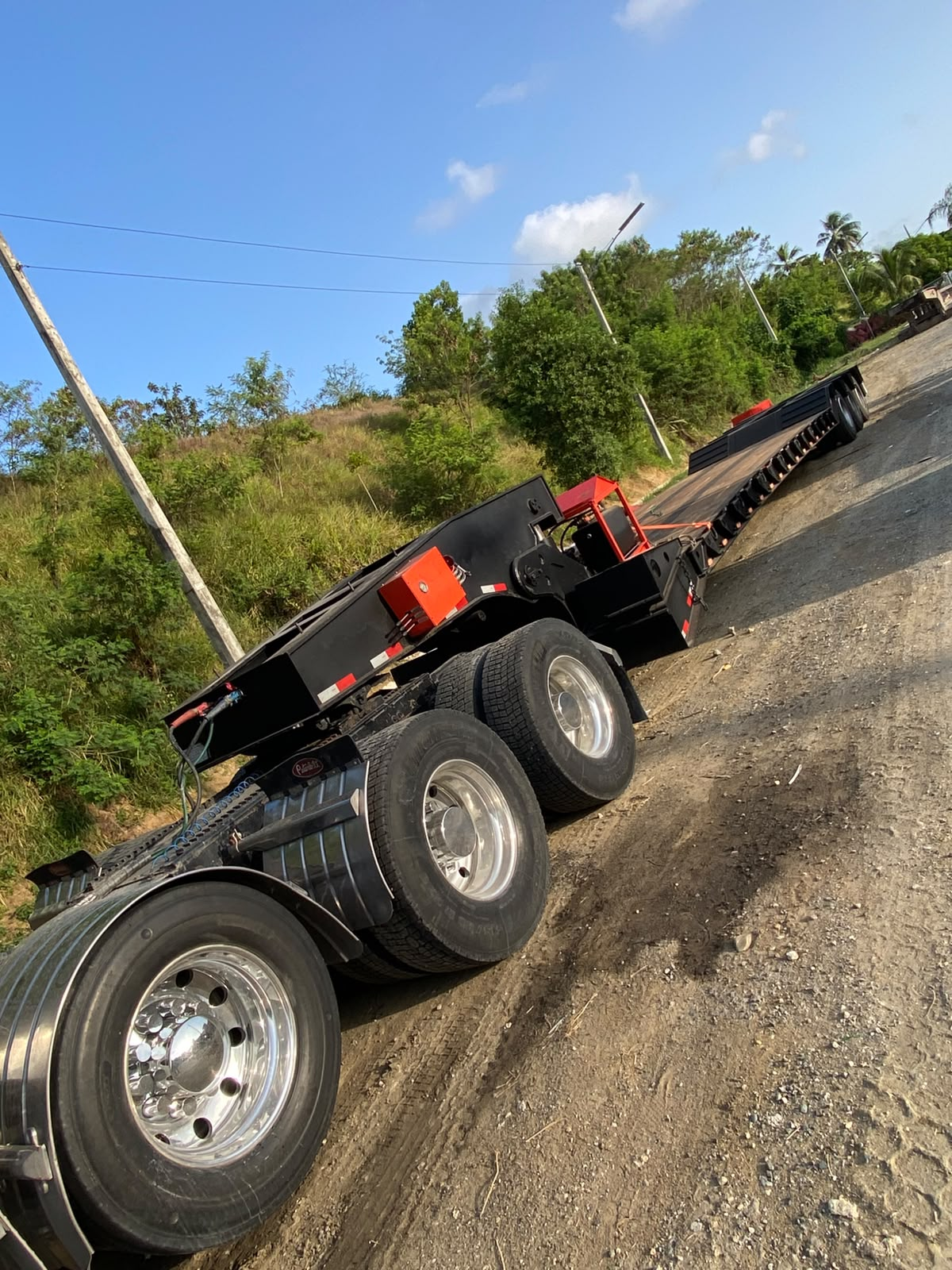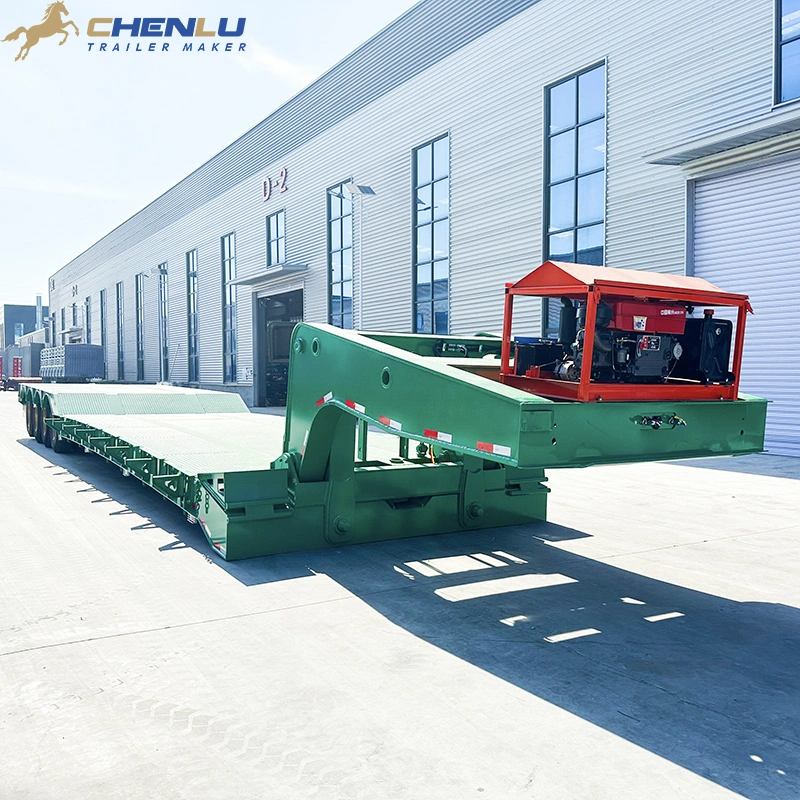
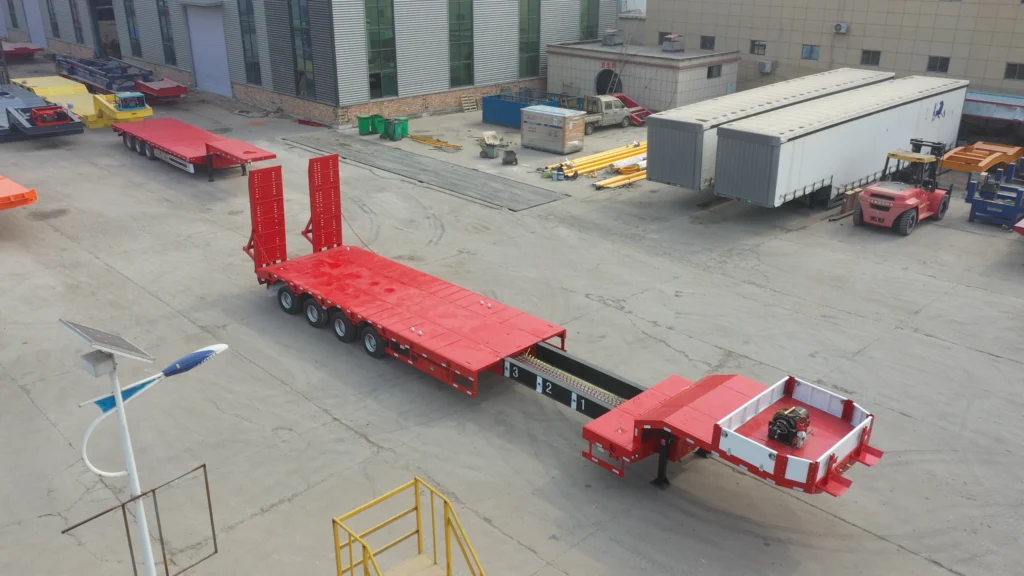
Factory views of the folding front neck, main loading deck and four-axle rear group on this lowbed trailer.
4 Axle Folding Gooseneck Lowbed Trailer
This four-axle lowbed uses a folding front neck to create a loading approach to the main deck. The neck stays attached to the trailer as it moves between loading and transport positions.
Send the machine length, width, height, working weight and ground clearance so the deck and folding-neck layout can be selected for the job.
REQUEST A CONFIGURATION QUOTE
Request a 4 Axle Folding Gooseneck Lowbed Quote
Send the machine model, transport weight, overall length, width, height, ground clearance, tractor model and destination route. Our team will review the folding-neck approach, deck size and axle configuration before preparing the quotation.
Why Use a Folding Gooseneck on This Four-Axle Lowbed?
The folding neck creates a front approach to the main deck without being removed from the trailer. It works with the low platform and four-axle rear group as one complete layout.
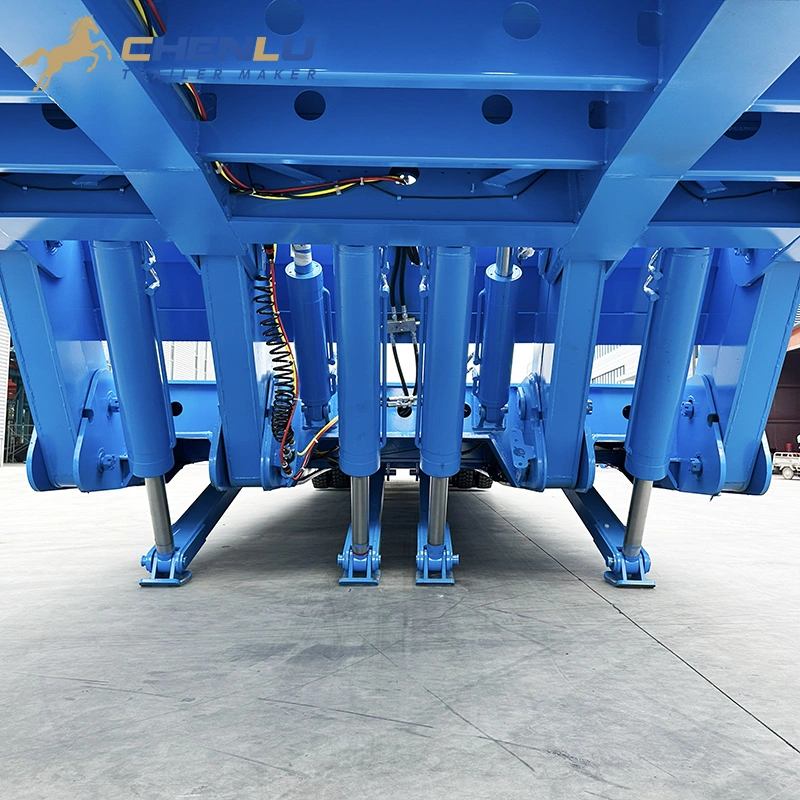
Front Loading Without Removing the Neck
The gooseneck folds down to form an approach to the main deck. It stays connected while moving between loading and transport positions.
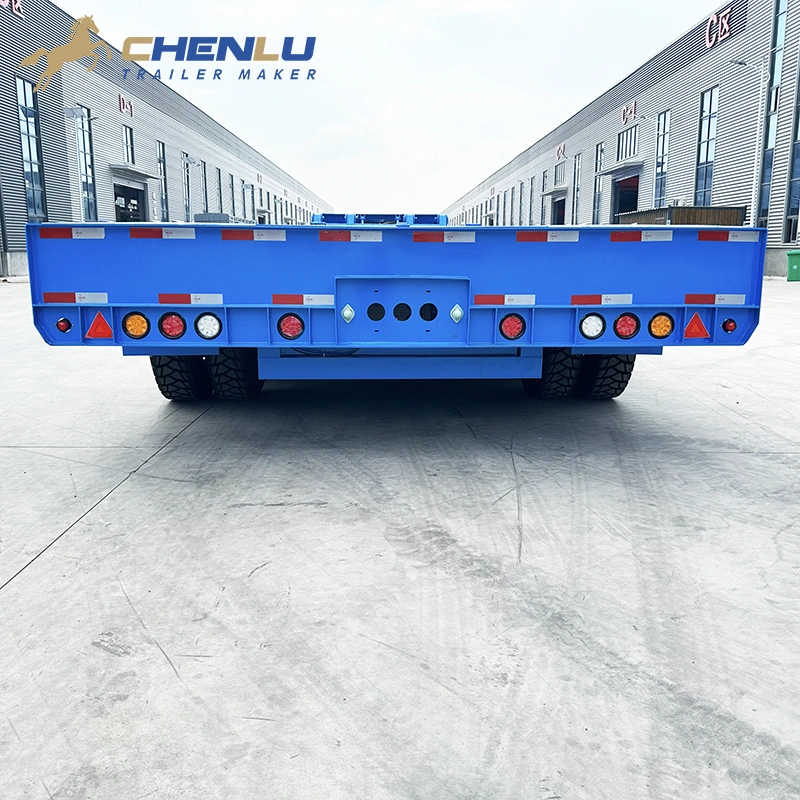
Low Main Deck for Taller Equipment
The 8,500 mm main deck sits below the front neck and rear axle area. This keeps the machine lower on the trailer during transport.
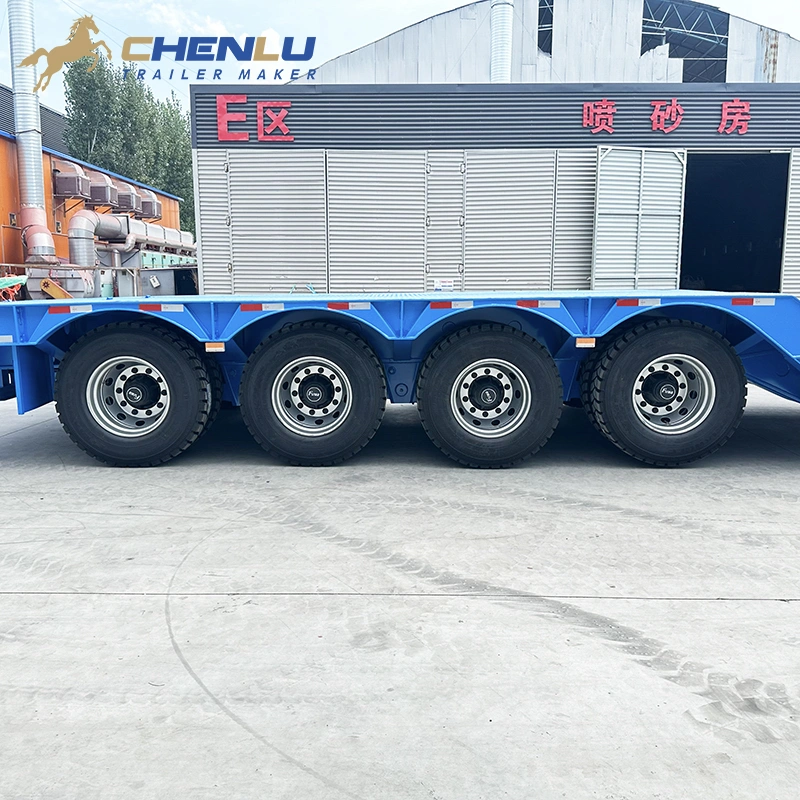
Four-Axle Rear Group
Four axle positions are arranged at the rear with 1,310 mm spacing. The machine position determines how the tractor and axle group share the load.
How a 4 Axle Folding Gooseneck Lowbed Is Built
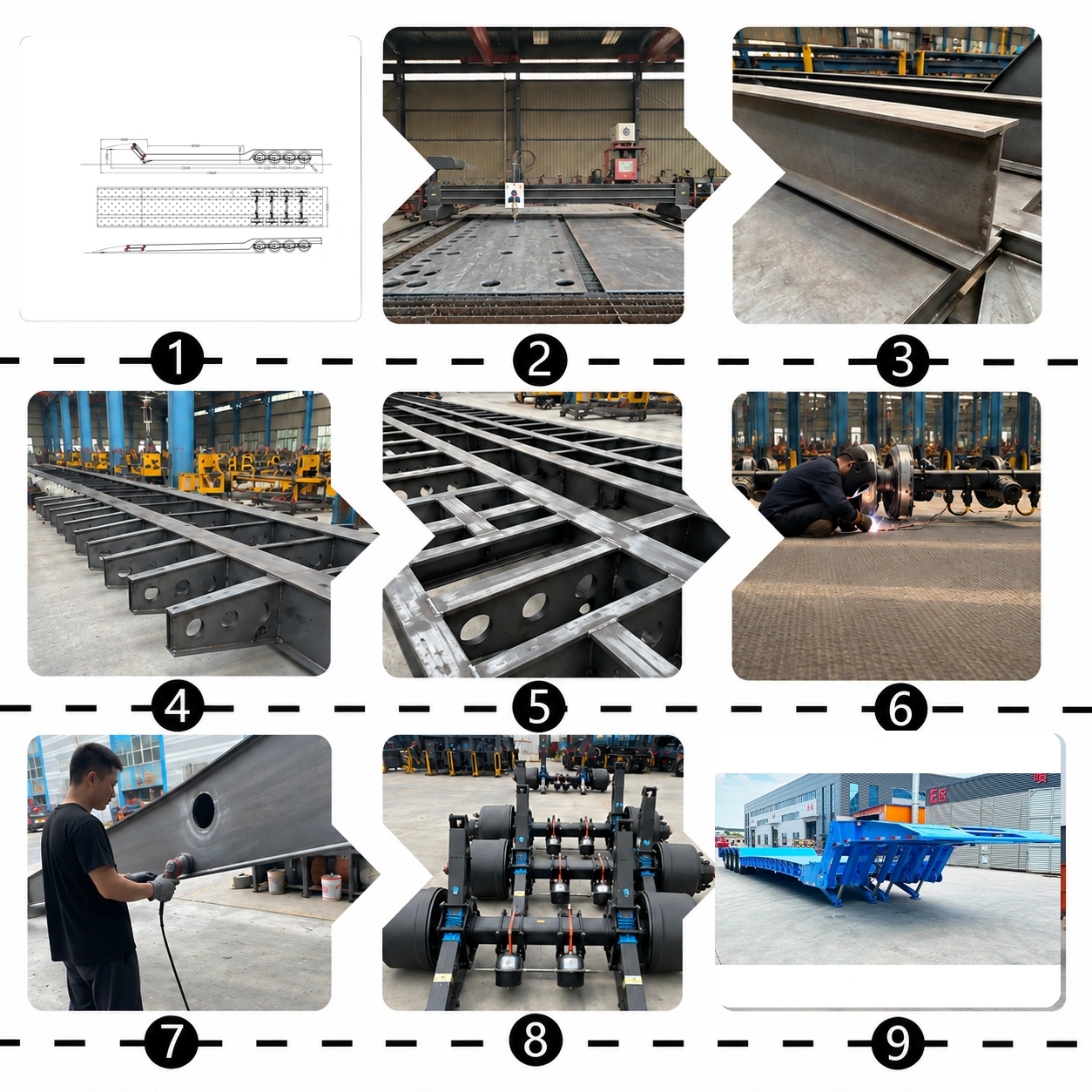
Production moves from the confirmed trailer layout to frame assembly, equipment installation and final inspection. The folding gooseneck, low main deck and four-axle rear group are built as one complete trailer.
Confirm the Build Specification
The factory checks the main dimensions, axle layout, folding-neck geometry and the equipment included in the order.
Prepare the Frame Components
Parts for the low deck, front neck and rear frame are cut and prepared before the main structure is assembled.
Assemble the Main Structure
Main beams, cross members and deck sections are positioned and welded to form the lowbed trailer chassis.
Install the Neck and Running Gear
The folding gooseneck, four-axle group, braking lines, electrical system and other ordered equipment are fitted to the chassis.
Finish and Inspect the Trailer
After the specified finish is applied, the factory checks the trailer dimensions, neck movement, connections and completed assembly.
From Frame Preparation to Final Assembly
A clear view of the main stages used to build this four-axle folding gooseneck lowbed trailer.
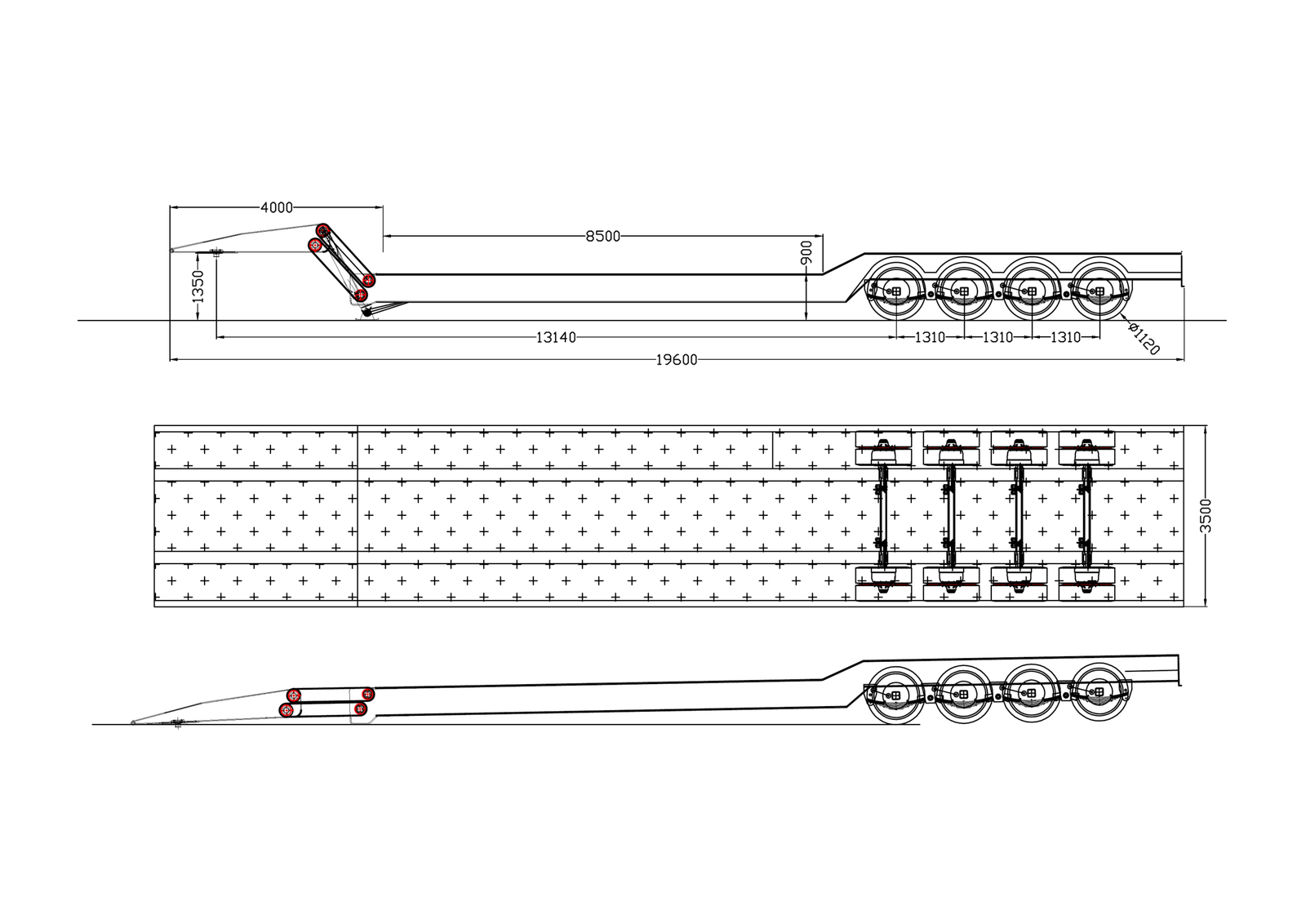
4 Axle Folding Gooseneck Lowbed Trailer Dimensions
This layout has a 19,600 mm overall length, a 3,500 mm overall width and an 8,500 mm low main deck. All values below are taken directly from the supplied trailer drawing.
| Parameter | Drawing Value |
|---|---|
| Trailer type | 4 axle folding gooseneck lowbed trailer |
| Axle count | 4 axles |
| Overall length | 19,600 mm |
| Overall width | 3,500 mm |
| Folding gooseneck length | 4,000 mm |
| Main deck length | 8,500 mm |
| Main deck height | 900 mm |
| Fifth-wheel height | 1,350 mm |
| Axle spacing | 1,310 + 1,310 + 1,310 mm |
| Tyre outside diameter | Ø1,120 mm |
Dimensions are in millimetres and apply to the configuration shown. Equipment not listed here is selected for the final order.
See the Finished 4 Axle Folding Gooseneck Lowbed Trailer
This YouTube video shows the completed trailer from front to rear. See the folding gooseneck, low main deck, four-axle running gear and the overall finish of this build.
Factory walkaround of one completed four-axle folding gooseneck lowbed trailer.
Folding Gooseneck
View the front neck assembly in its transport position.
Low Main Deck
See the deck shape, working area and connection to the rear frame.
Four-Axle Group
Review the rear axle arrangement, wheels and surrounding structure.
Finished Details
Check the paint finish, lighting, markings and fitted equipment.
4 Axle Folding Gooseneck Lowbed Trailer Drawing
The drawing shows the trailer in transport and loading positions, including the folding neck, low main deck and four-axle rear group.
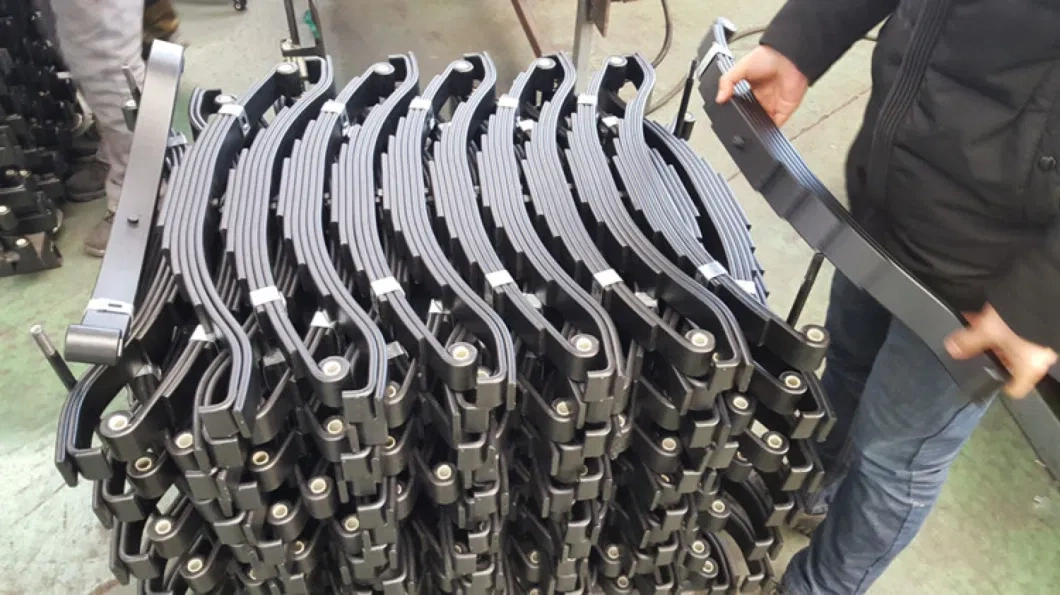
Optional Parts And Accessories
Semi-Trailer Axle Support Plate
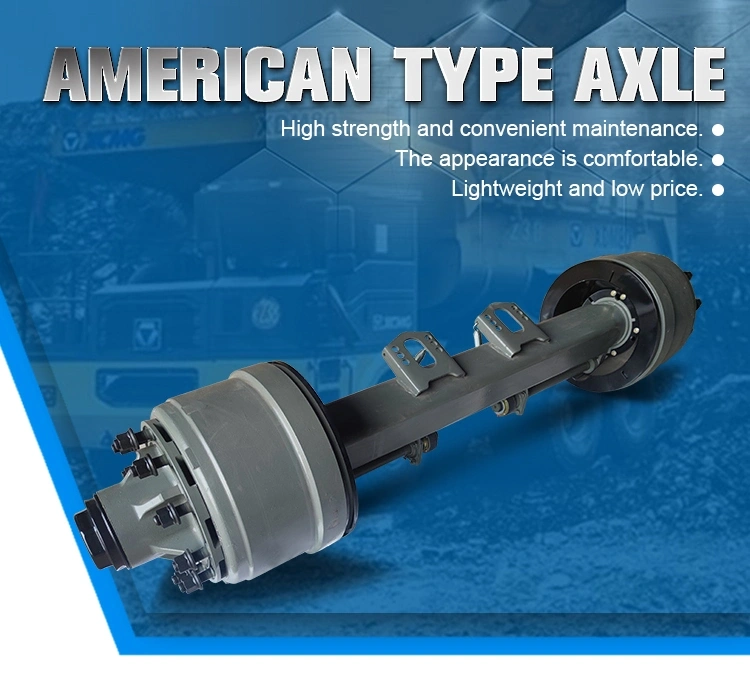
American-Style Axle
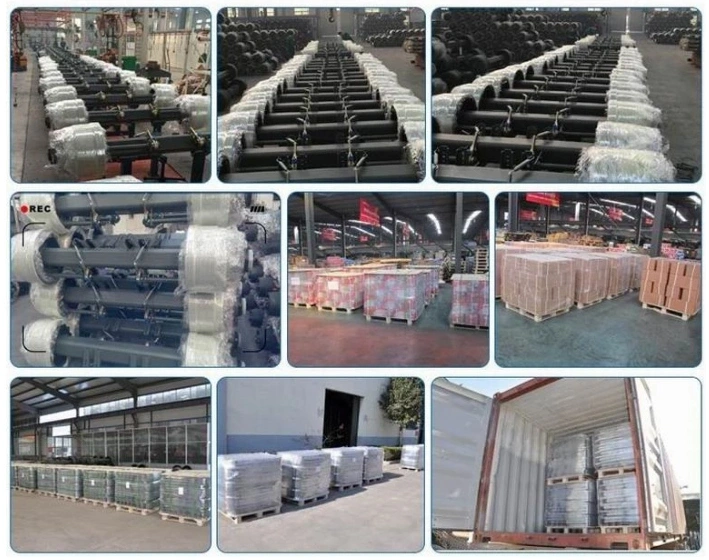
Trailer Suspension Parts
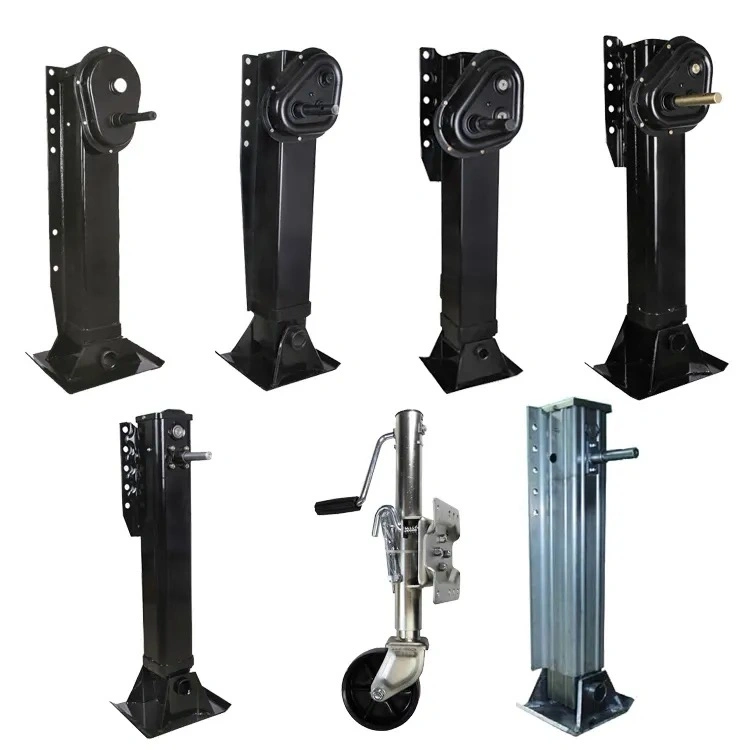
Trailer Suspension Support Leg
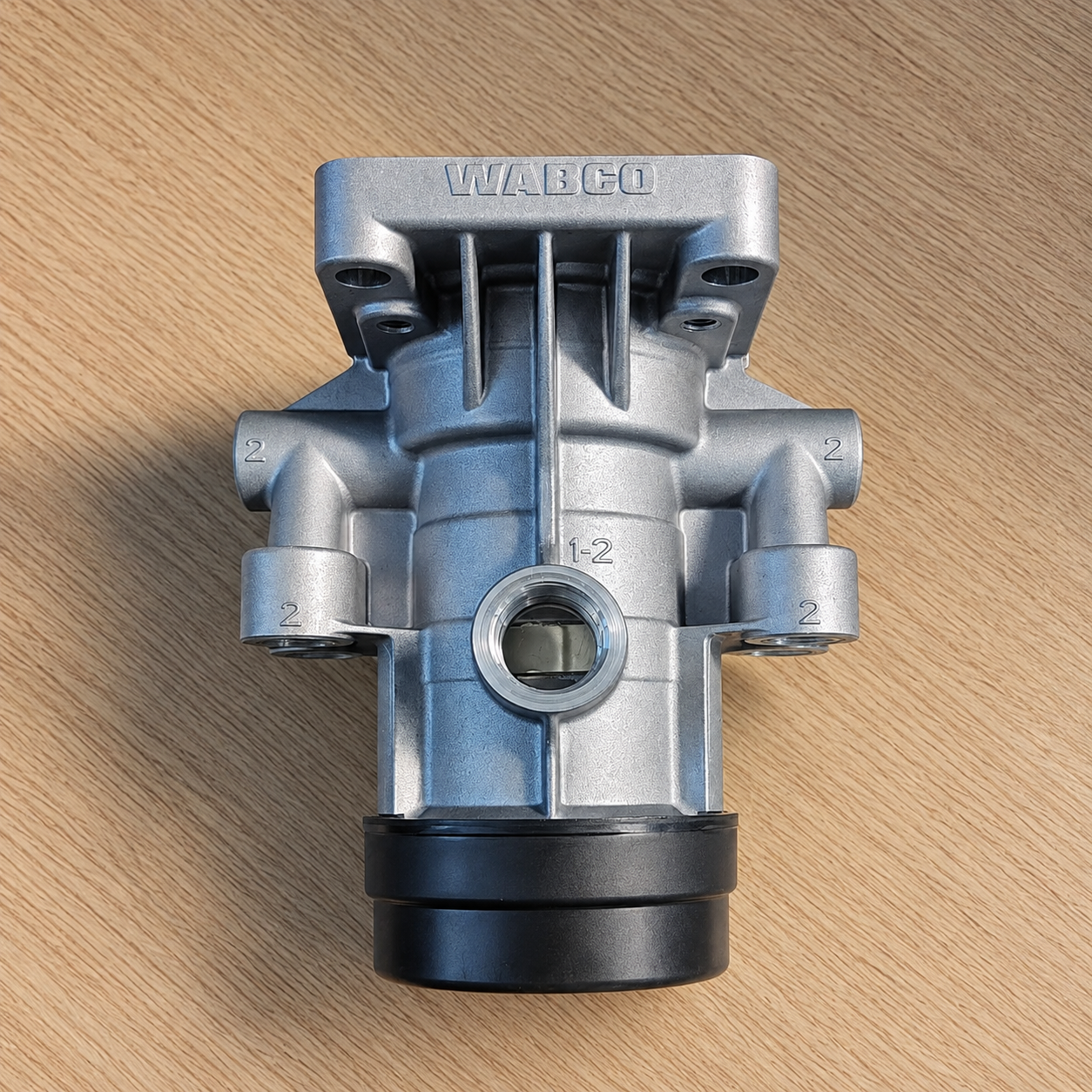
WABCO Brake Valve
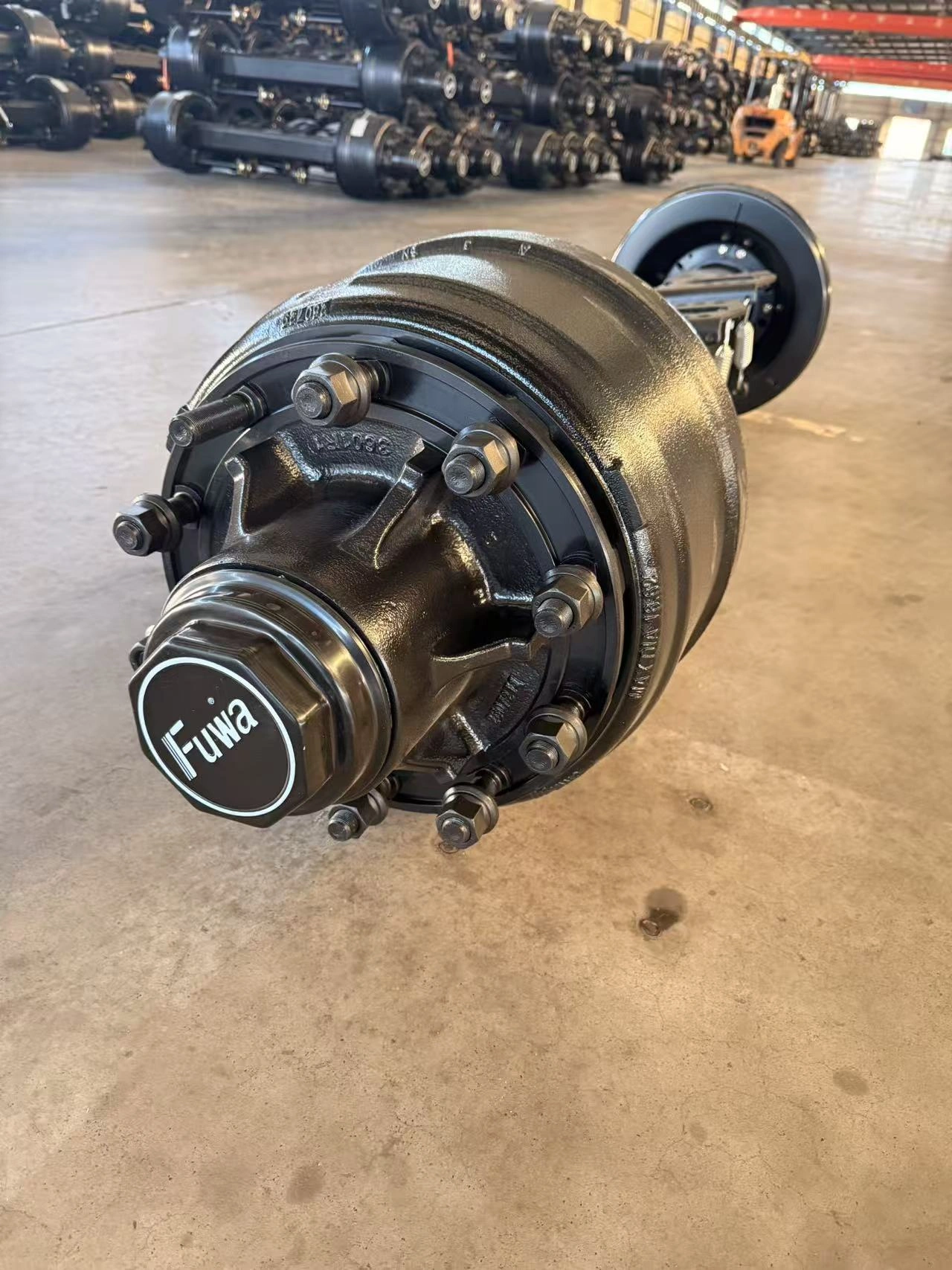
FUHUA (TUWA) Trailer Axle
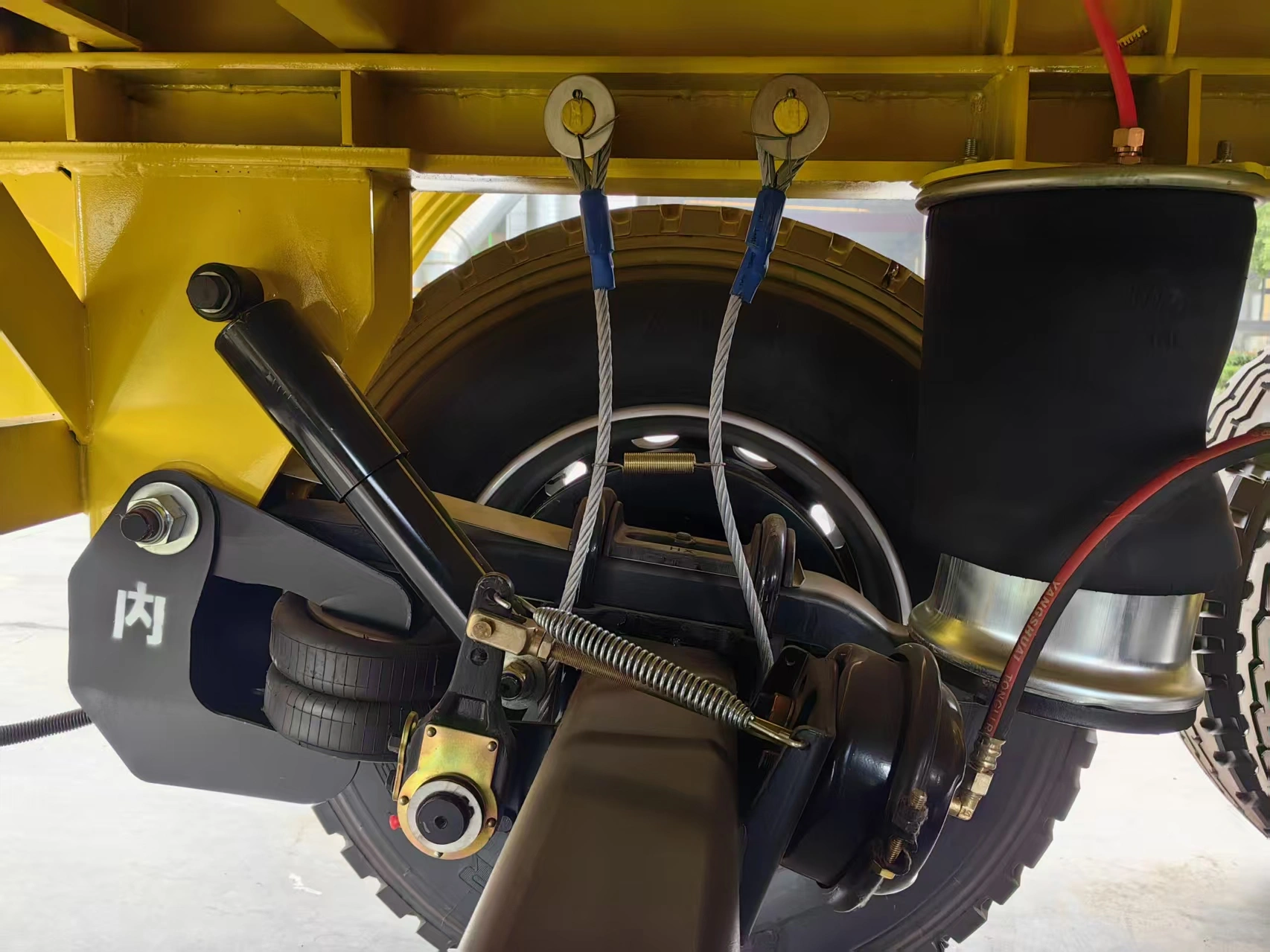
German-Style Trailer Suspension
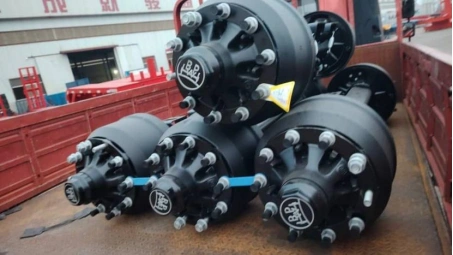
BPW Trailer Axle
Why Trust Chenlu?
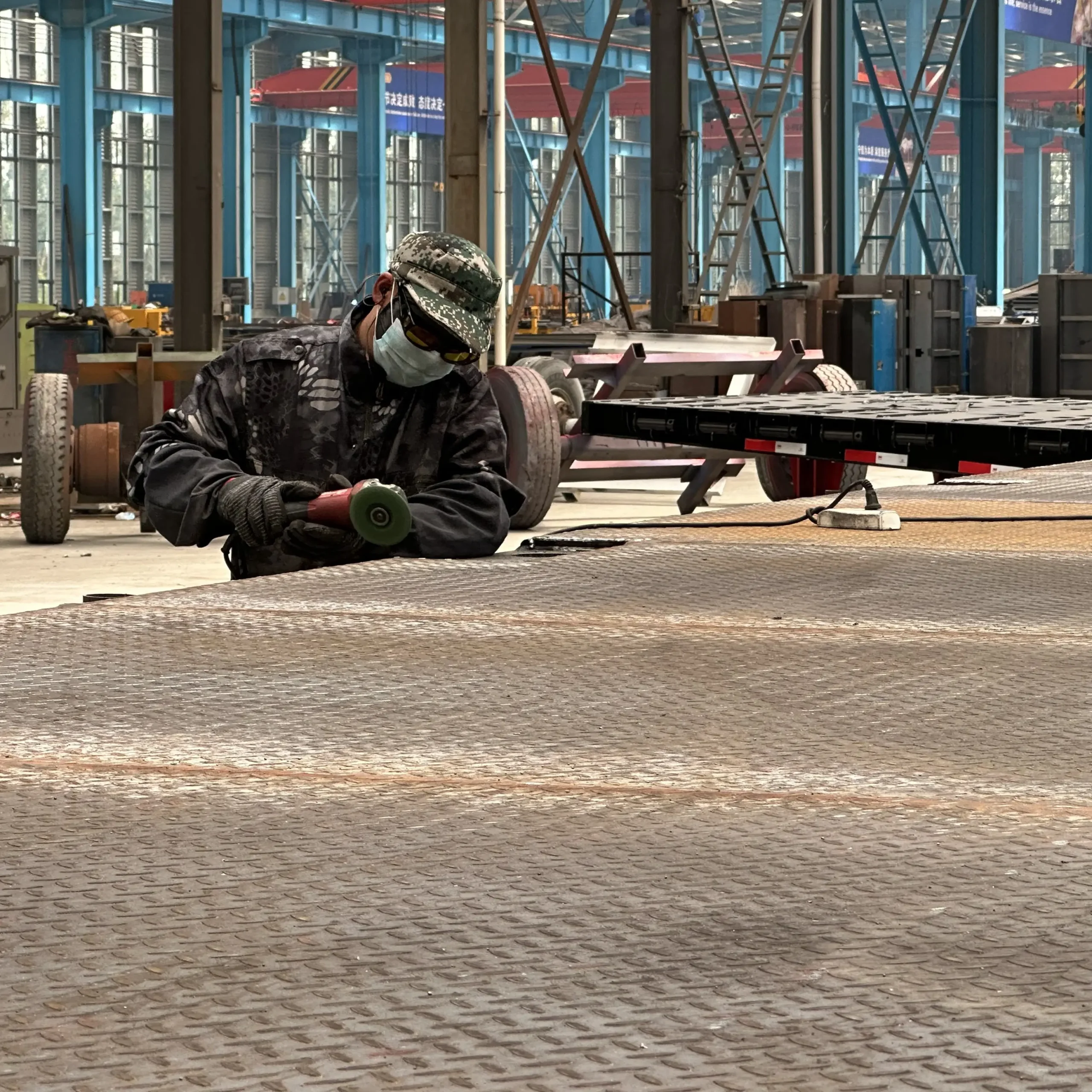
Factory-Direct Manufacturing
CHENLU presents its own semi-trailer manufacturing base with modern workshops, CNC cutting, automatic welding lines and painting facilities. This supports direct communication between the buyer, engineering team and production team.
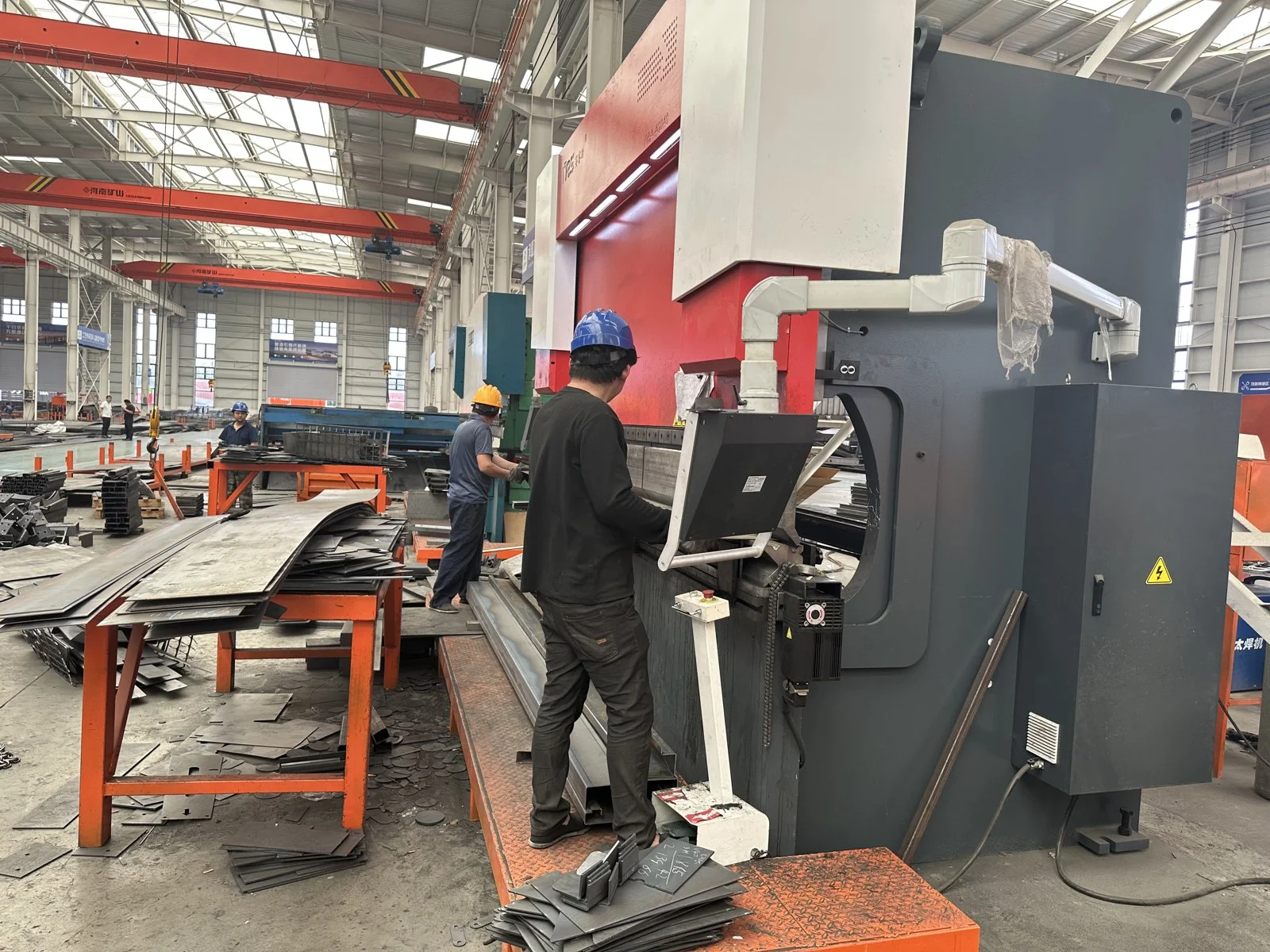
OEM/ODM Configuration Review
The published customization scope includes axle number and load configuration, suspension type, ride height, frame reinforcement, deck requirements, branding, colour and logo. The final scope should be confirmed against the cargo, tractor and destination route.
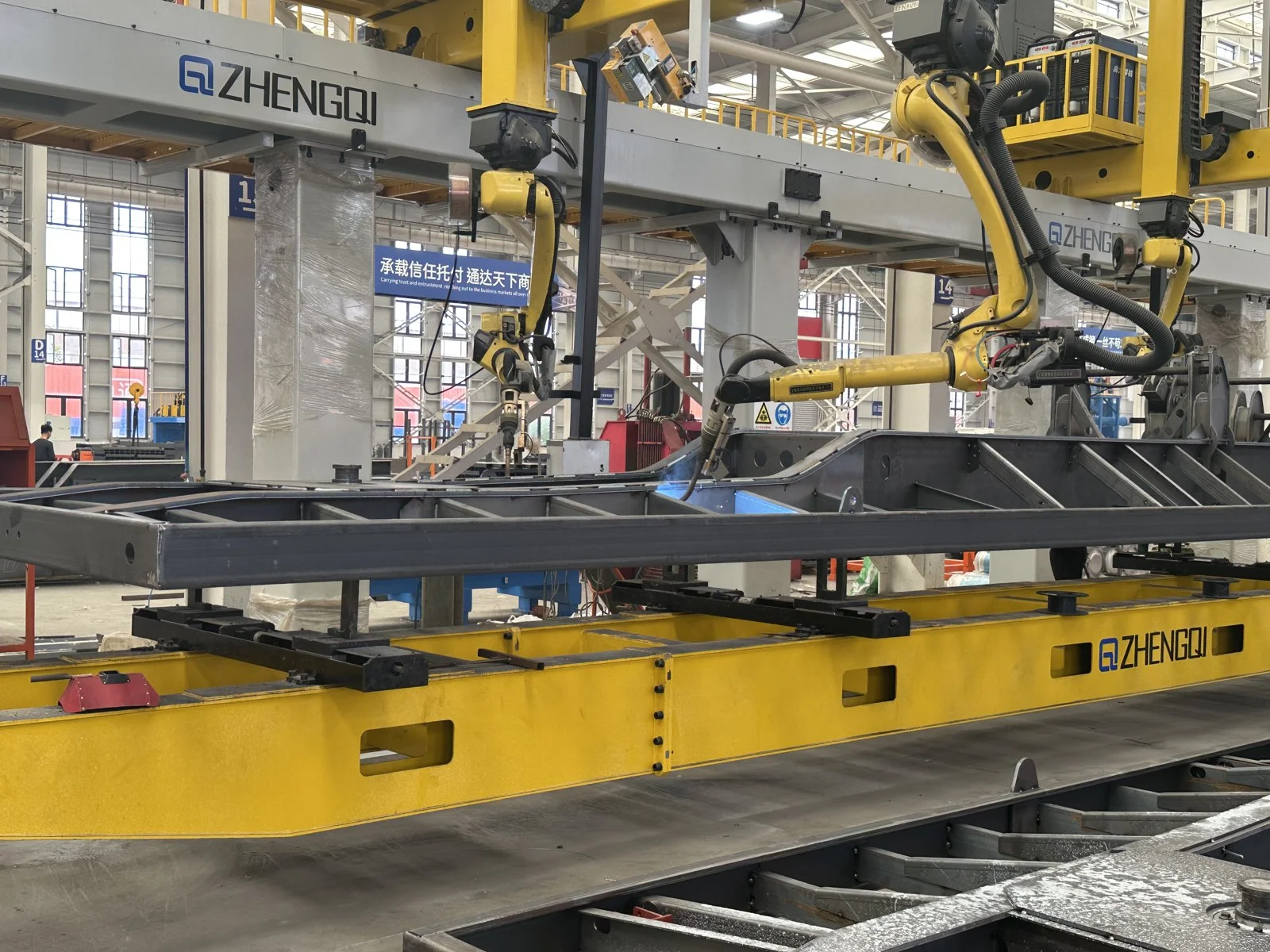
Process-Based Quality Control
The factory workflow covers material preparation, main-beam welding, frame assembly, surface treatment, painting, final assembly, inspection and testing. Quality checks should be recorded against the actual project configuration before delivery.

B2B Export and Project Support
CHENLU works with fleet owners, contractors, distributors and project buyers across logistics, construction, mining and heavy-equipment transport applications. The quotation should confirm the tractor interface, route, axle-load requirements and local permits.
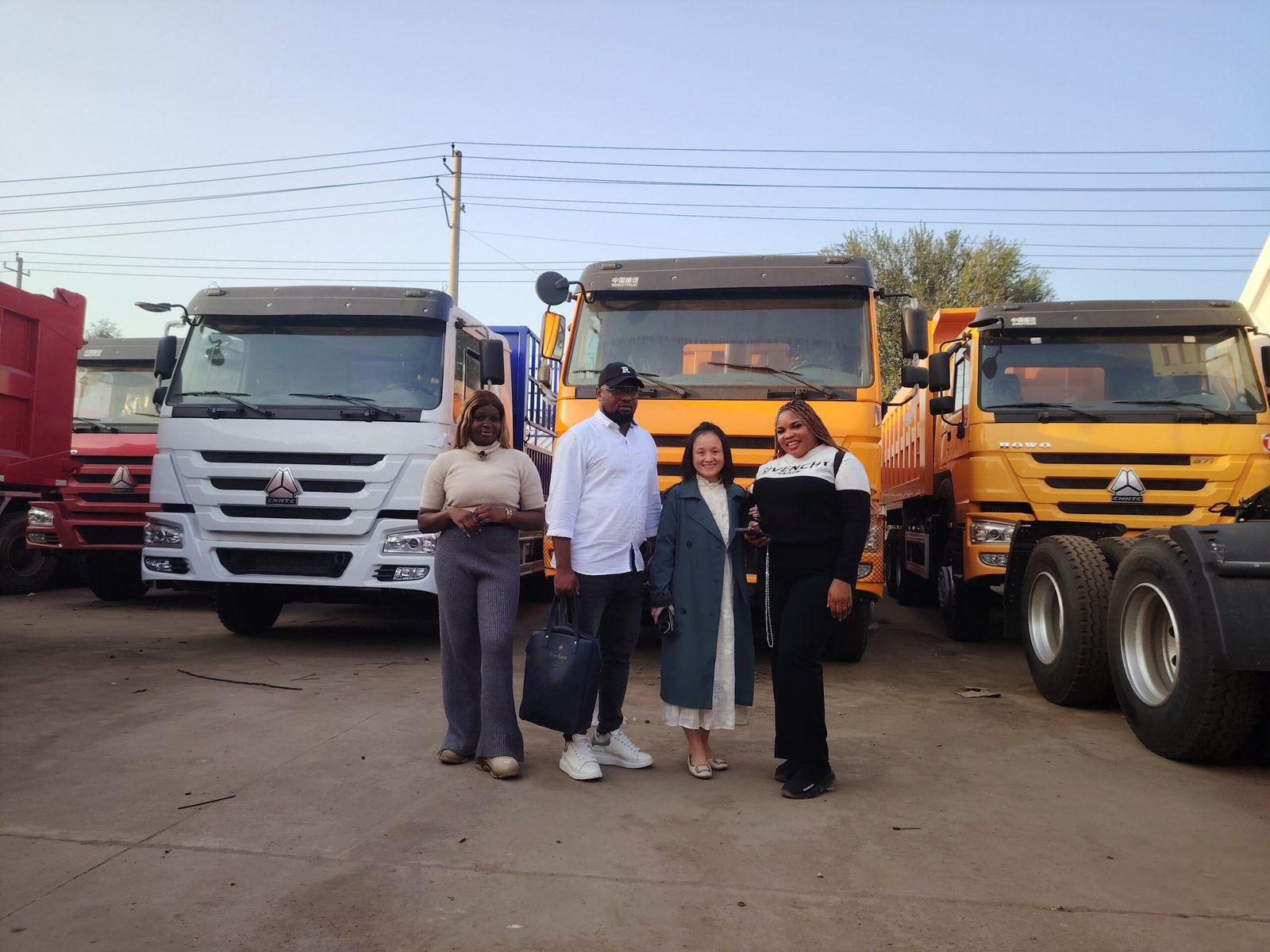
Meet Chenlu and Review the Manufacturing Process
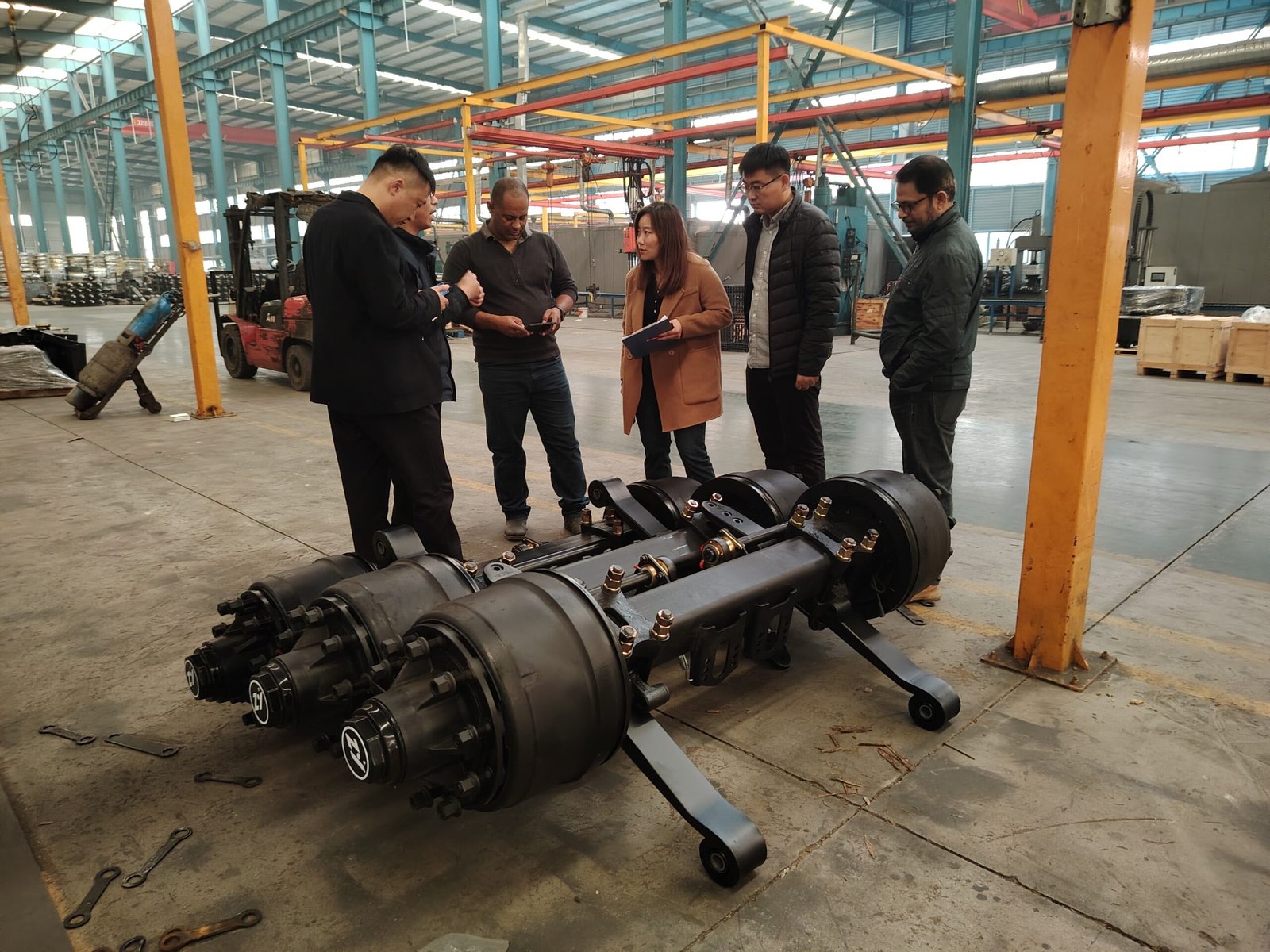
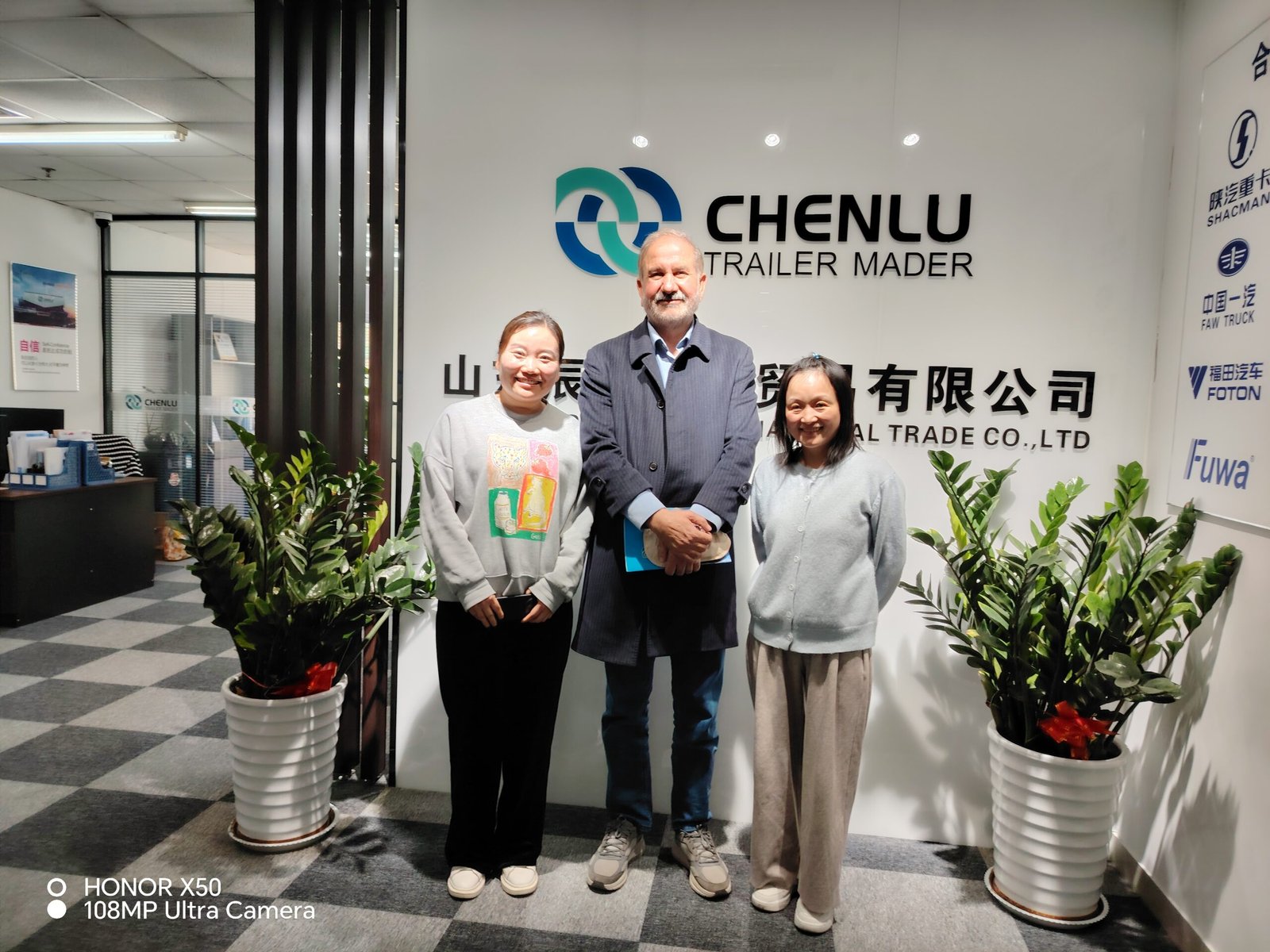
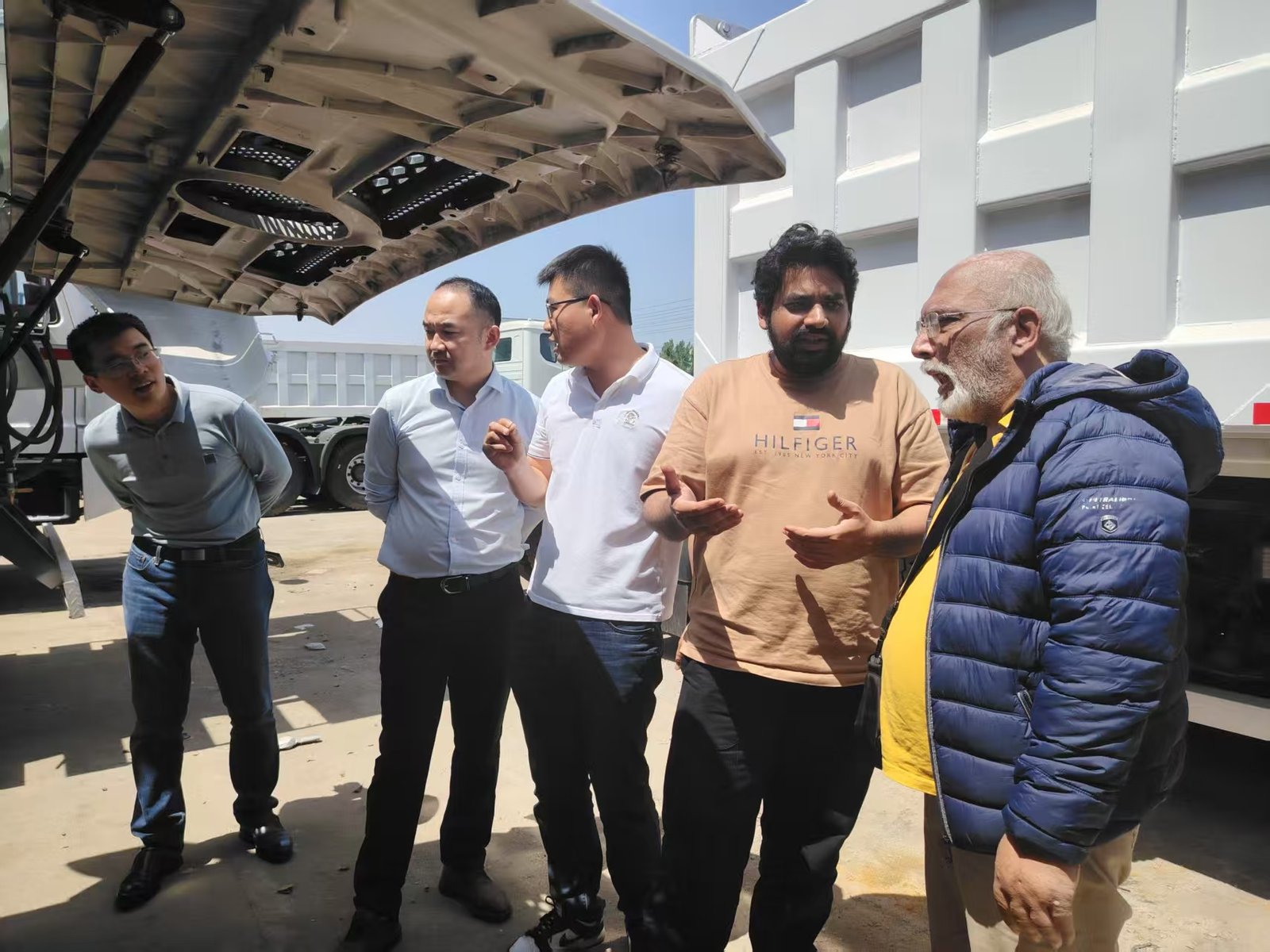
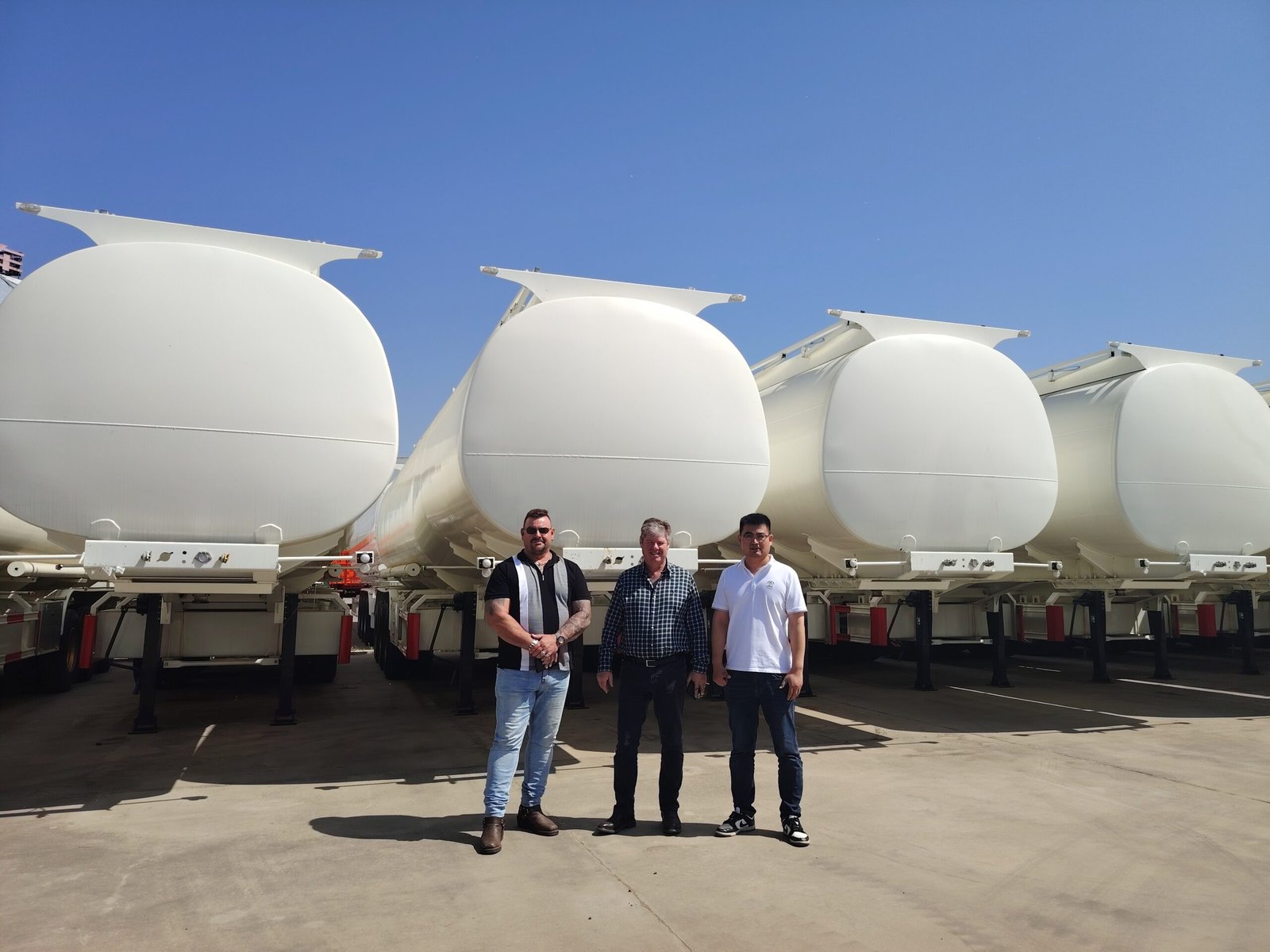
Customer visits support direct communication between buyers, engineering teams and the manufacturing department before the final configuration is confirmed.
Follow the Project from Delivery to Customer Feedback
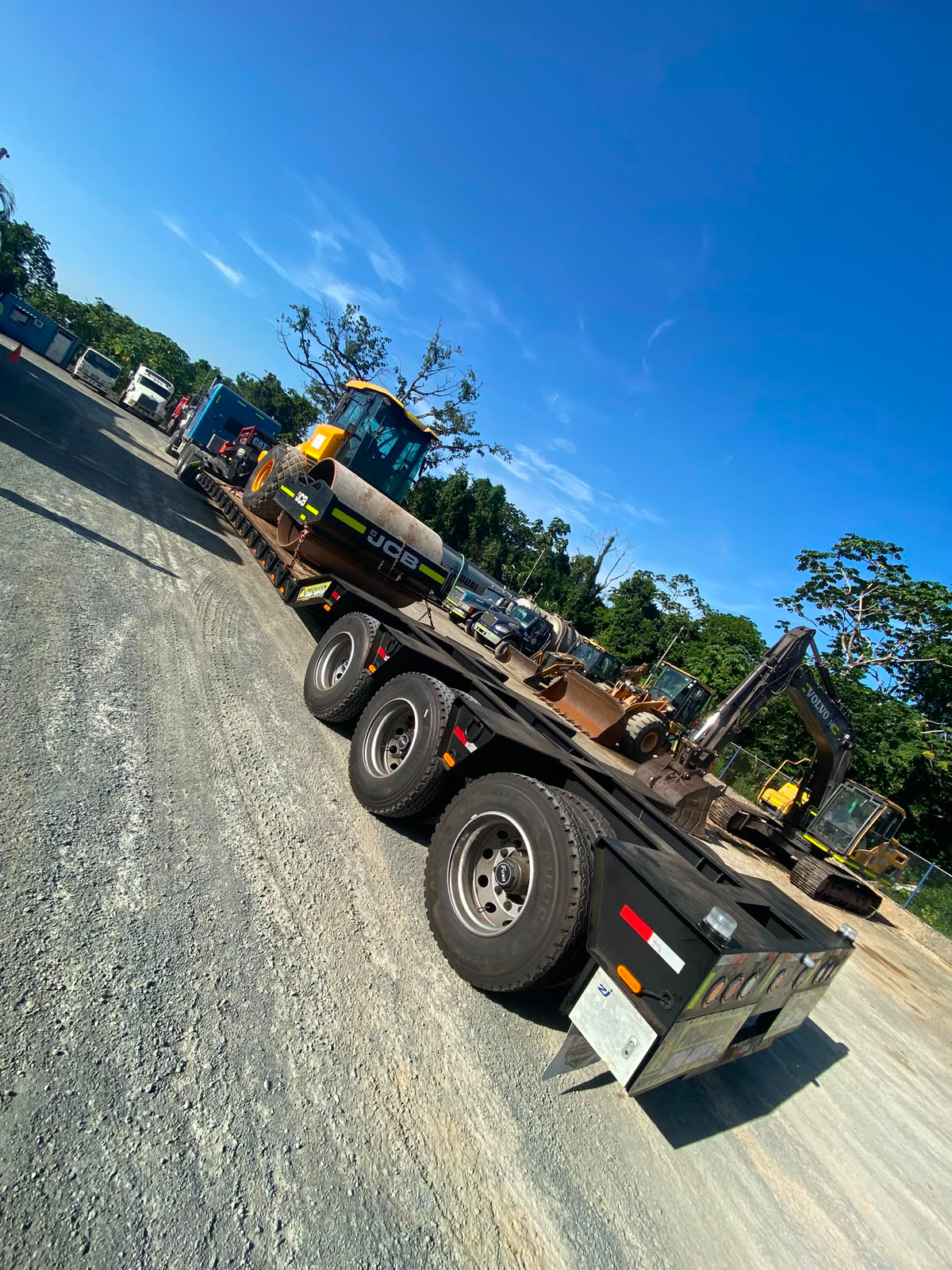
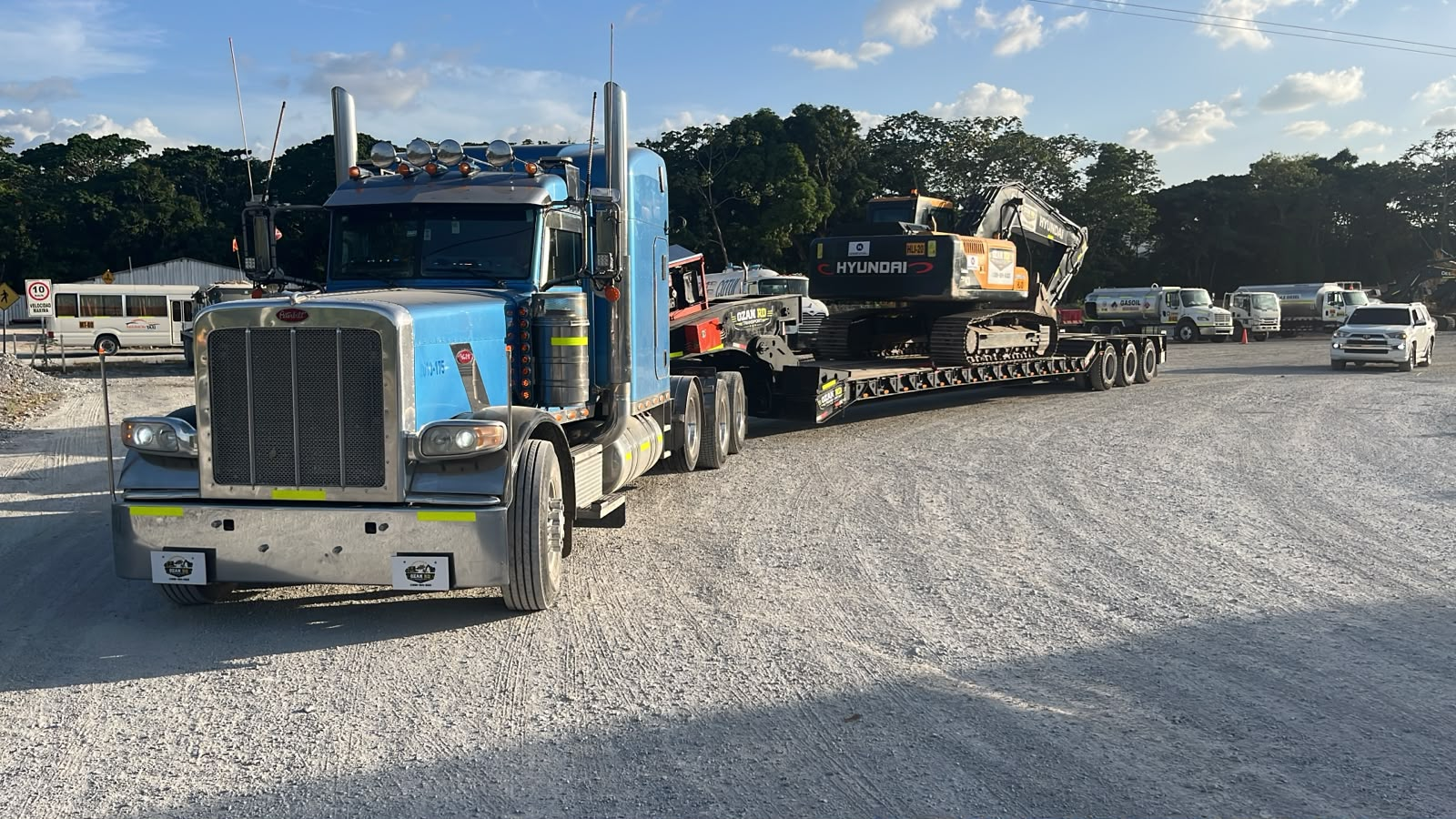
Use approved delivery photos, project records and customer comments to present the completed communication and delivery process.
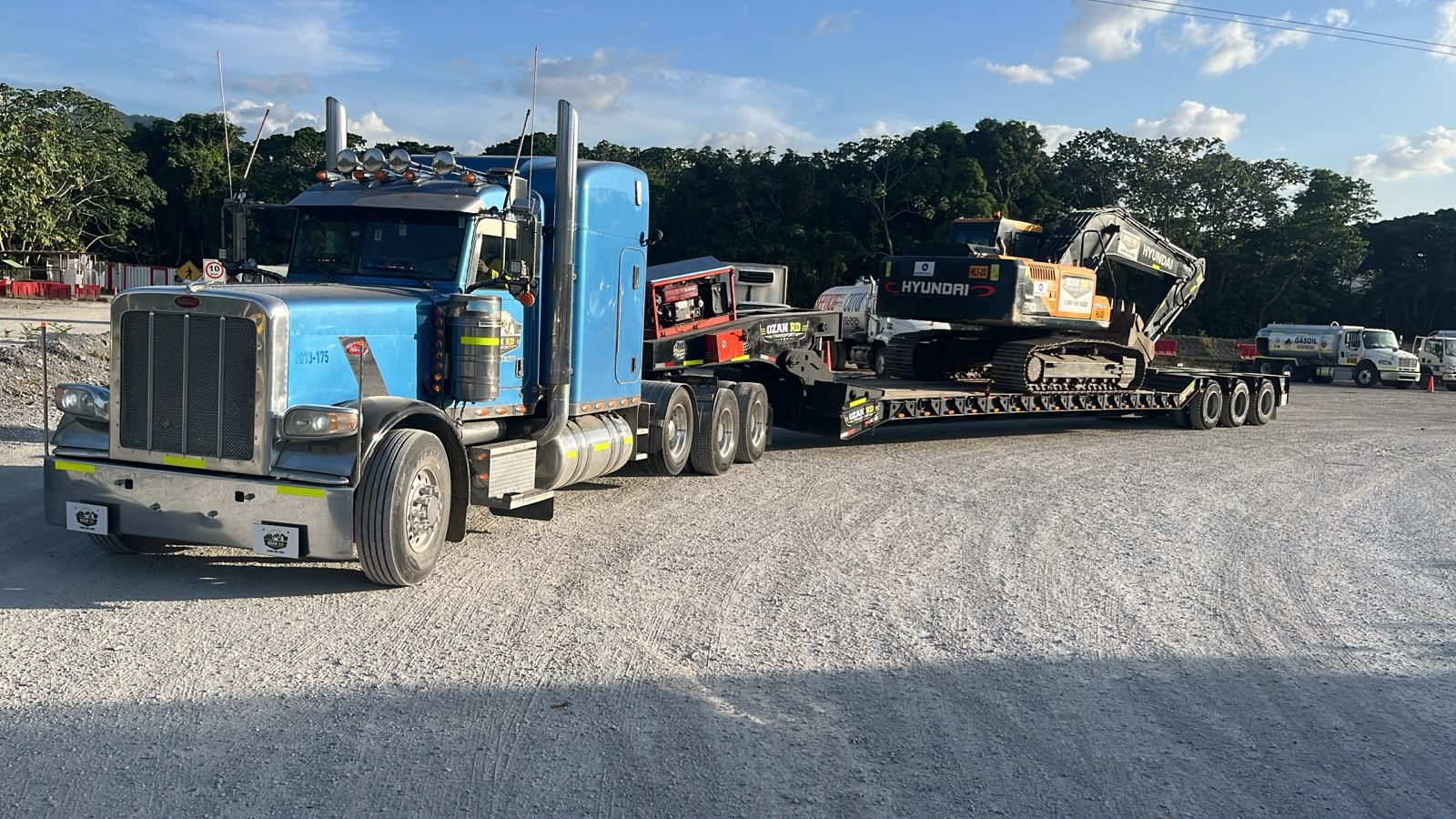
Publish the Original Customer Message with Permission
Add an approved customer comment, delivery record or project feedback here after the customer confirms the wording and image usage.
Approved delivery photo or project record.
Original customer message with permission.
Approved feedback about communication and support.
FAQ
Answers to common buyer questions about the four-axle foldable gooseneck lowbed trailer, hydraulic loading system, deck clearance, route configuration and final specification review.
How does a fourth axle affect the trailer configuration?
A fourth axle changes the axle group and load-support arrangement, but it does not automatically define the payload. Axle ratings, spacing, tare weight, cargo position and route limits must be reviewed together before the final configuration is approved.
Does a foldable gooseneck need a separate hydraulic power source?
The power arrangement depends on the approved build. Confirm whether the gooseneck hydraulic system uses the tractor interface, a separate power unit or another specified arrangement before ordering. The hydraulic gooseneck system should not be confused with suspension; the current reference configuration uses mechanical suspension.
What should be checked on the hydraulic system before loading?
Check the cylinders, hoses, supports, control points, locking points and ground conditions according to the approved operating procedure. Before transport, confirm that the gooseneck is fully connected, seated and locked.
How much deck clearance does heavy equipment need?
Review the machine width, attachments, contact points, approach angle and loaded height against the approved drawing. A general trailer width or deck length is not enough when the machine has limited side, ground or route clearance.
Which tyre and suspension setup suits the route?
The correct setup depends on axle load, tractor interface, road surface, operating speed, climate and destination requirements. Confirm tyre load index and the exact mechanical suspension arrangement in the quotation rather than selecting components from photographs alone.
Can the deck be adapted for different machinery?
Deck length, width, reinforcement, tie-down layout and support equipment may be configurable around the intended machine. Send the cargo dimensions, weight, contact points and loading method before any deck adaptation is confirmed.
What payload and dimensions should be used for initial planning?
For initial planning, this draft uses approximately 100 tonnes and 17,000 × 3,000 × 2,500 mm as representative reference values only. They are not final CHENLU specifications. Final payload and dimensions must come from the approved quotation and engineering drawing.
What should be inspected before the trailer leaves the site?
Inspect the tractor connection, gooseneck locking points, hydraulic system, tyres, wheels, brakes, lights, deck, tie-downs and cargo position. Complete any route, permit or destination-market checks required for the loaded combination before departure.
Related Products
Removable Gooseneck Trailer (RGN)
100 Ton 4 Axle Detachable Gooseneck Lowbed Trailer | CHENLU
View Product ↗
Low Bed Trailer
100 Ton 4-Axle Fixed-Gooseneck Lowbed Trailer| CHENLU
View Product ↗
Low Bed Trailer
13m 3 Axle Lowbed Semi Trailer with Rear Ramps
View Product ↗
Low Bed Trailer
2-Axle Fixed Gooseneck Lowbed Trailer
View Product ↗
Removable Gooseneck Trailer (RGN)
3 Axle Detachable Gooseneck Trailer
View Product ↗
Extendable Trailer