Hot Bitumen Transport

Asphalt Tanker Trailers

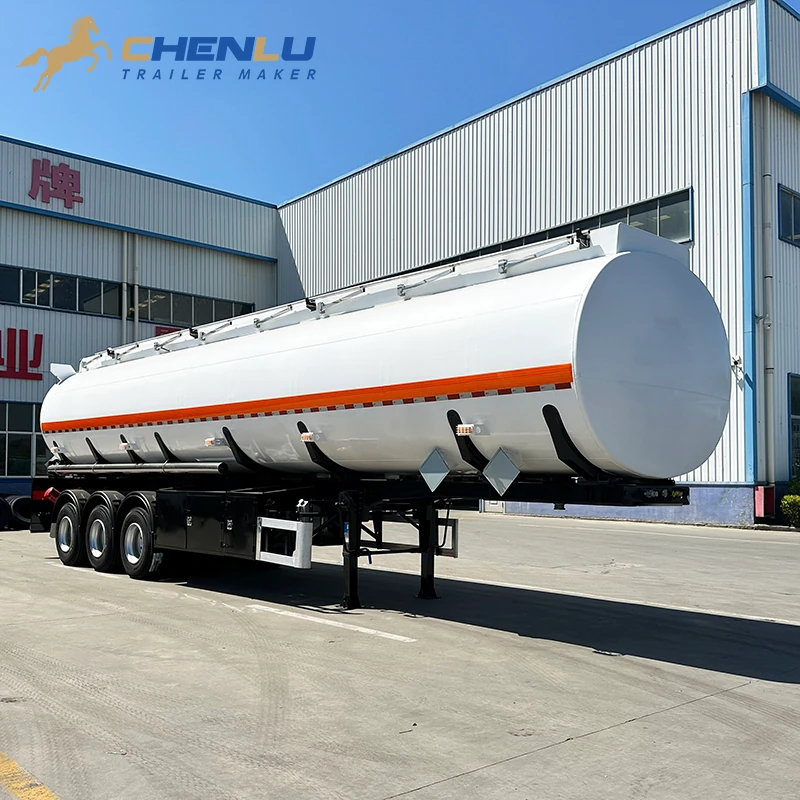
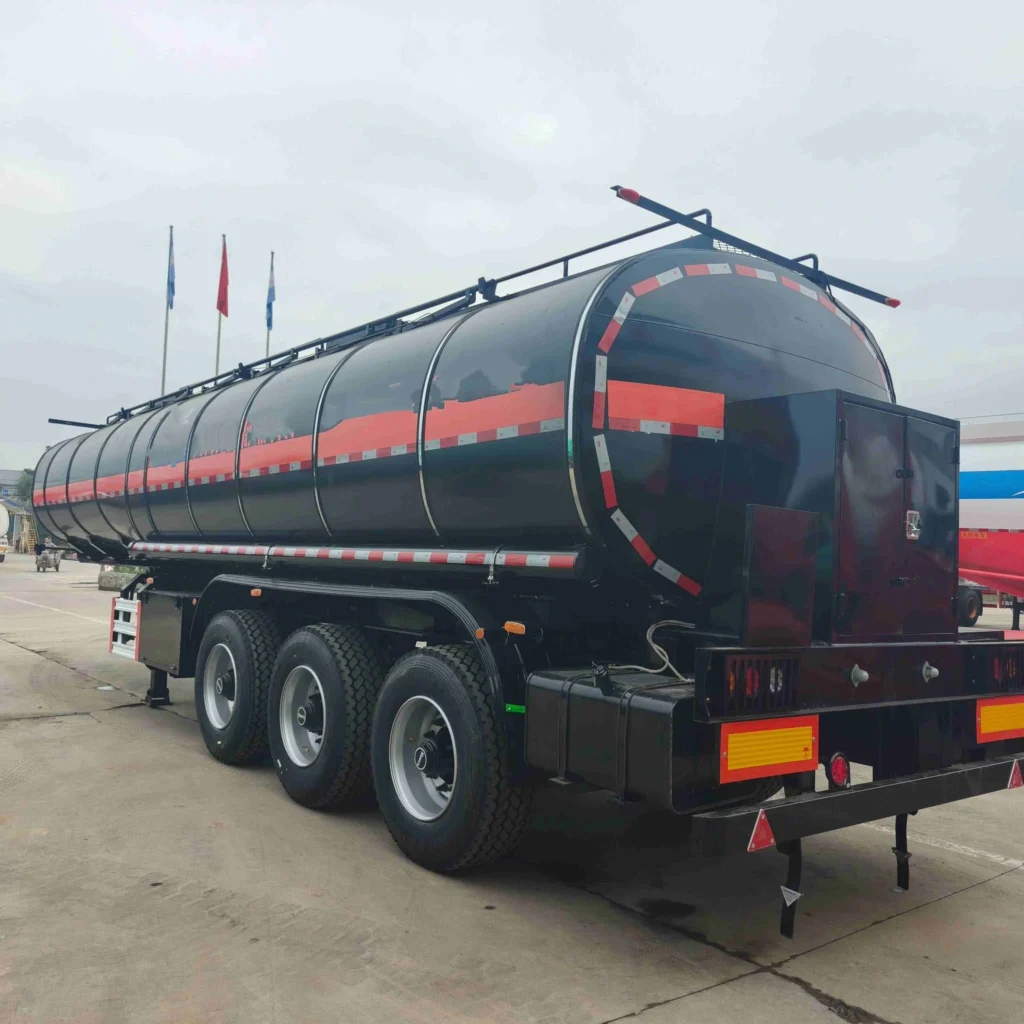
Hot bitumen becomes harder to pump as it cools. CHENLU asphalt tanker trailers, also called bitumen tanker trailers in many markets, use insulated tanks to slow heat loss between the loading terminal and the unloading point. Tank volume, heating method and discharge equipment are confirmed for the material and the way it will be received.
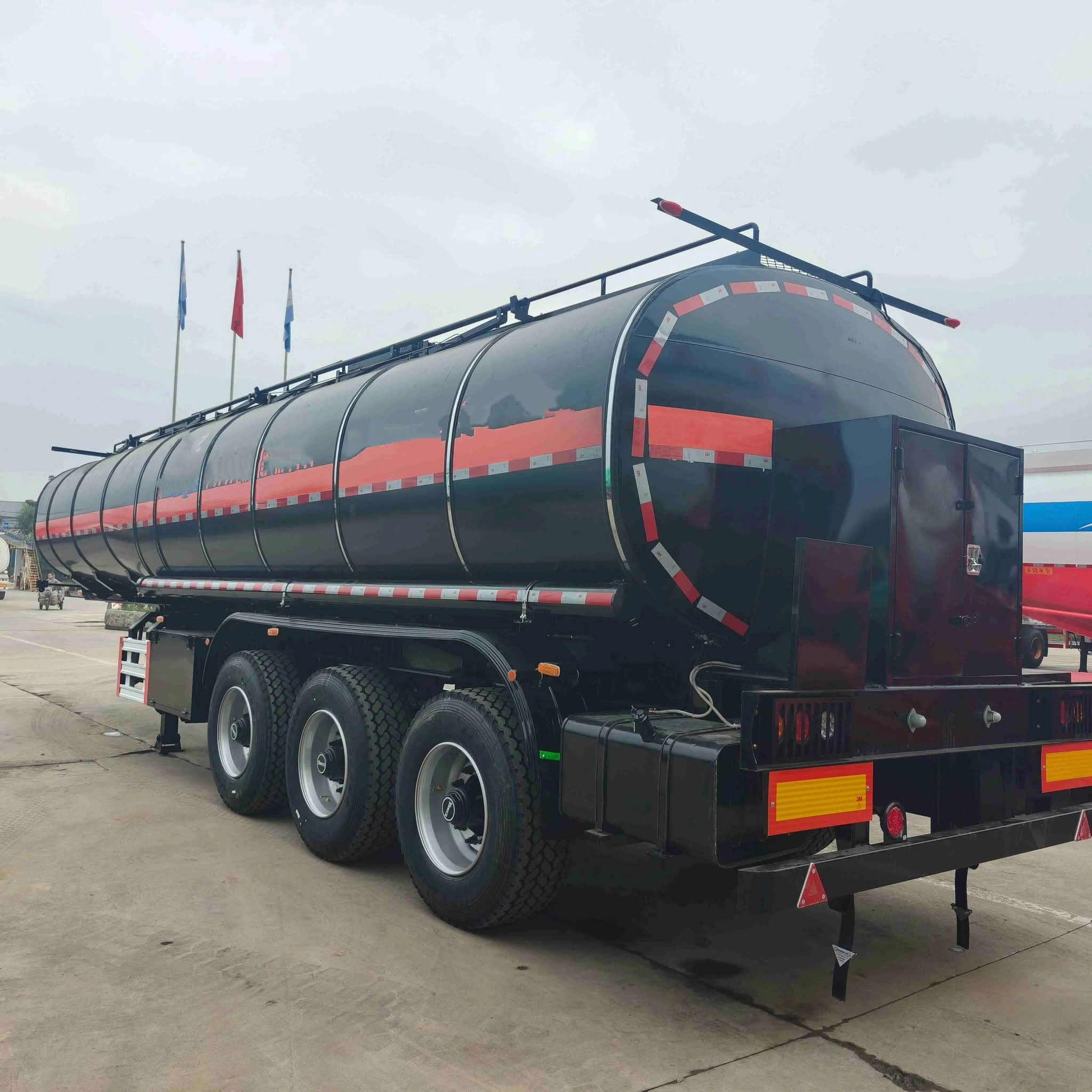
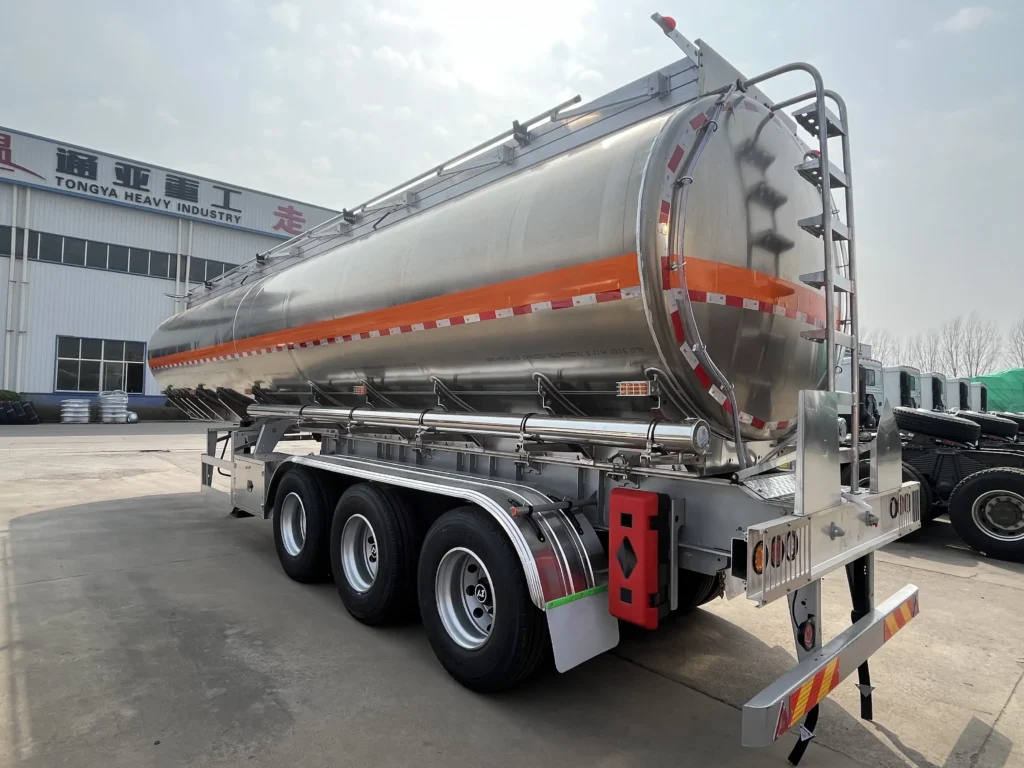
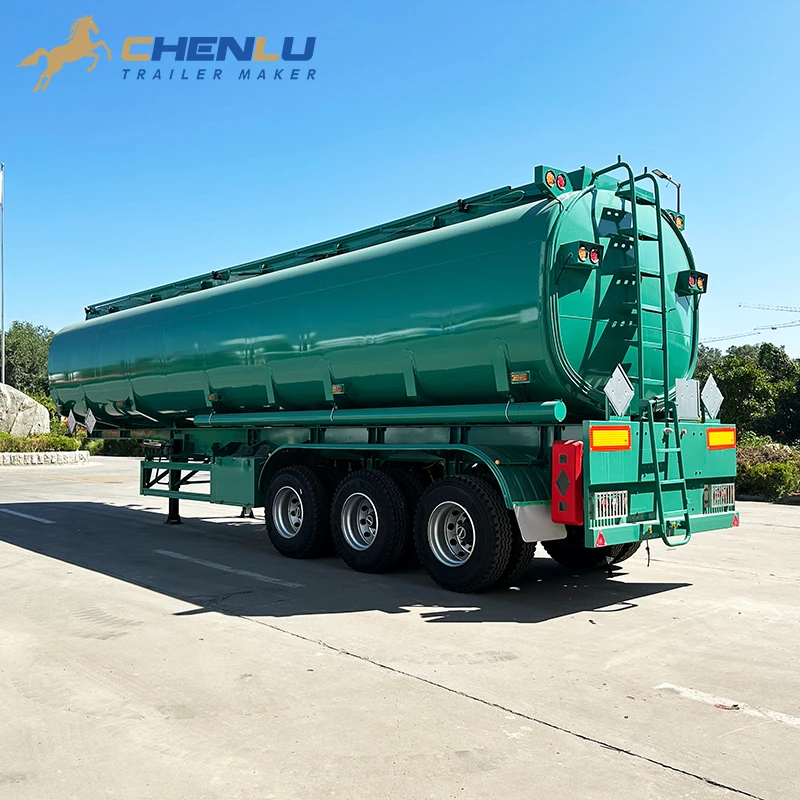
CHENLU insulated asphalt tanker trailer for hot bitumen transport
Insulated tanker for hot liquid asphalt and bitumen

Asphalt Tank Trailer Models

Explore Asphalt Tank Trailer Models

Insulation, Heating and Discharge

What keeps hot bitumen ready to unload?

Insulation slows heat loss; it does not add heat back to the load. Heating is a separate part of the asphalt tanker configuration when holding or reheating is required. Both must work with the discharge piping and the receiving equipment.

01 / Material

Start with the exact asphalt product

State whether the load is paving-grade bitumen, modified binder or another hot product. Use the material supplier's loading, holding and discharge instructions rather than one temperature for every cargo.

02 / Insulation

Keep the heat already in the tank

Bitumen tanker insulation slows heat moving through the tank shell and outer jacket. Delivery time, ambient temperature and waiting time affect how much heat is lost before unloading.

03 / Heating

Add heat only through the specified system

An asphalt tanker heating system adds heat when holding or reheating is part of the job. The heat source, control points and operating limits must match the material and the approved tank design.

04 / Discharge

The outlet can cool before the main tank

Material can thicken in the valve or discharge pipe even when the main tank remains warm. Confirm the outlet position, pipe insulation or heating, gravity or pump discharge, and the receiving-site connection.

Insulation, heating and discharge should be specified as one working system. Confirm the asphalt type, loading temperature, journey and waiting time, discharge method and destination before the tank configuration is approved.

Buyer FAQ

What should buyers confirm before ordering an asphalt tanker trailer?

What does an asphalt tanker trailer carry?
It transports hot liquid asphalt or bitumen between loading and receiving facilities. It is not a trailer for hot-mix asphalt made from binder and aggregate. Confirm the exact material before selecting the tank, heating and discharge equipment.
Is an asphalt tanker the same as an asphalt distributor?
No. A tanker transports liquid asphalt from one location to another. An asphalt distributor includes a pumping and spray system for applying asphalt to a road surface.
Why is a bitumen tanker insulated?
Insulation slows heat loss through the tank body during transport and waiting time. This helps limit the rise in viscosity before unloading, but insulation does not reheat material that has already cooled.
Does every asphalt tanker need an onboard heating system?
Not automatically. The need for onboard heating depends on the asphalt product, loading and discharge instructions, journey time, climate and receiving-site equipment. Any installed system must follow the approved tank design and operating instructions.
Should the trailer use gravity or pump discharge?
The choice depends on the material, its condition at unloading, the receiving connection and the available site equipment. Confirm the outlet, valves, pipe insulation or heating, pump option and cleaning access for the selected model.
Can one tanker carry different asphalt products?
Do not assume that different binders, emulsions or other hot products are interchangeable. Previous cargo and residual water can affect the next load. Confirm compatibility and the required cleaning procedure with the material suppliers before changing products.
What information does CHENLU need for an asphalt tanker quotation?
Send the exact asphalt or bitumen product, material data, density, loading and discharge instructions, required tank volume and expected journey time. Include the heating requirement, discharge method, receiving connection, tractor, destination and any known local requirements.

    Get a Quote Now


    Submit your inquiry to receive a precise quote and professional advice for your project.