Bulk & Powder Transport

Bulk Material Transport Trailers

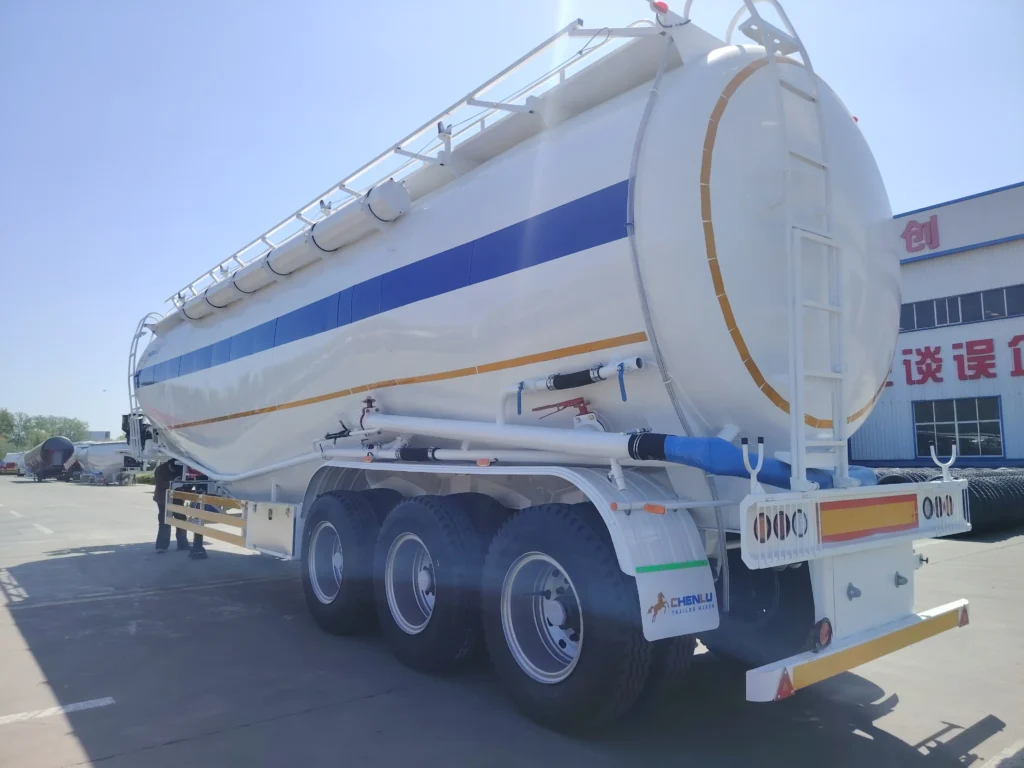
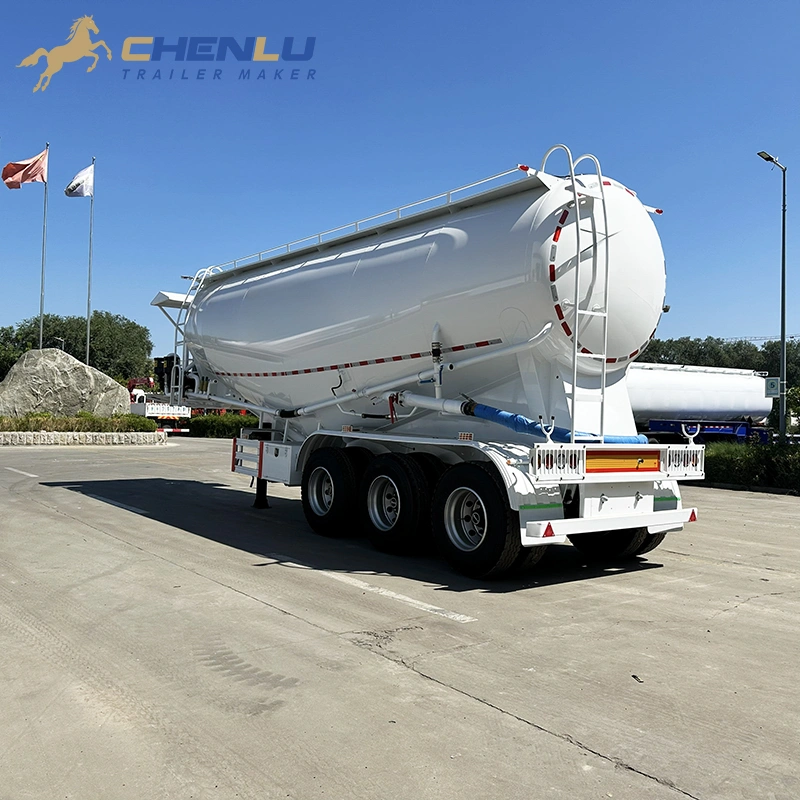
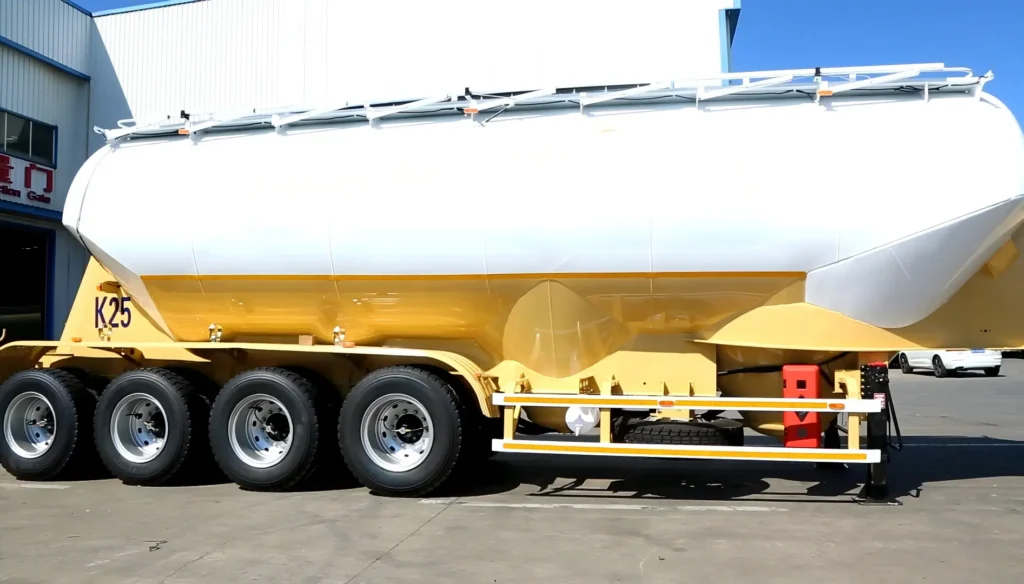
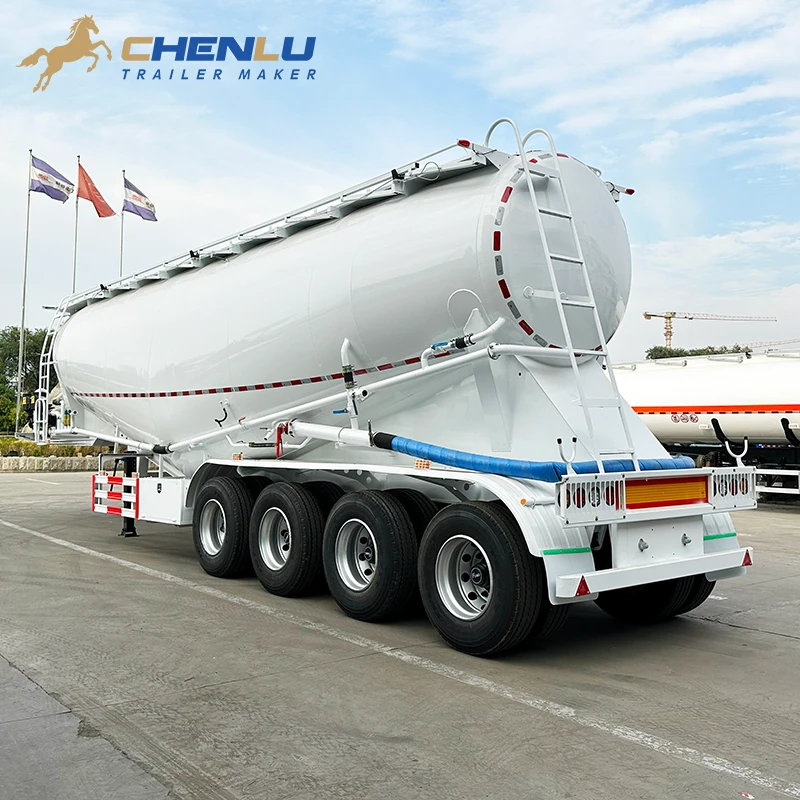
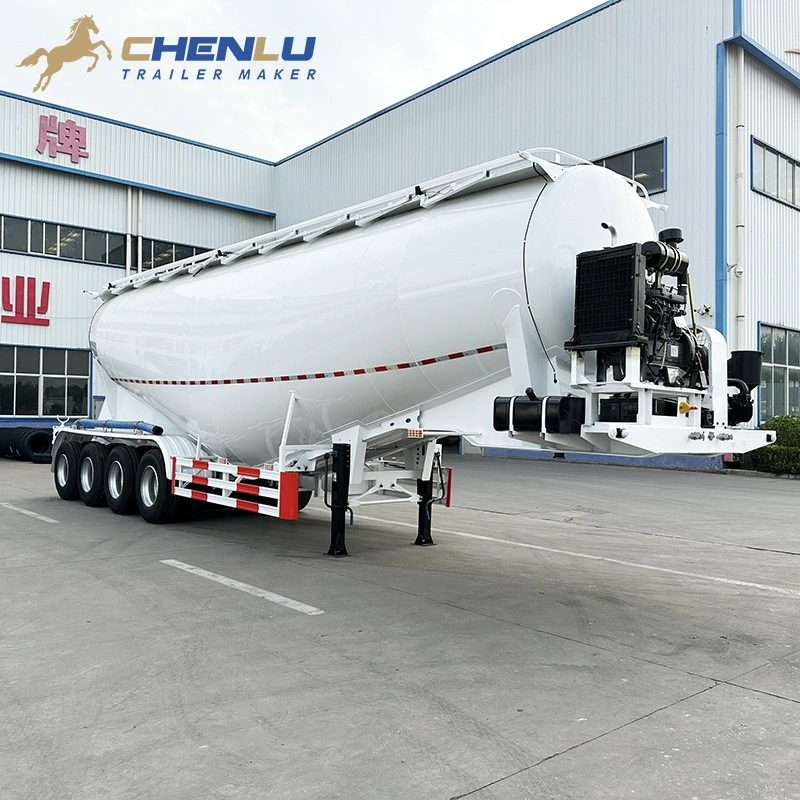
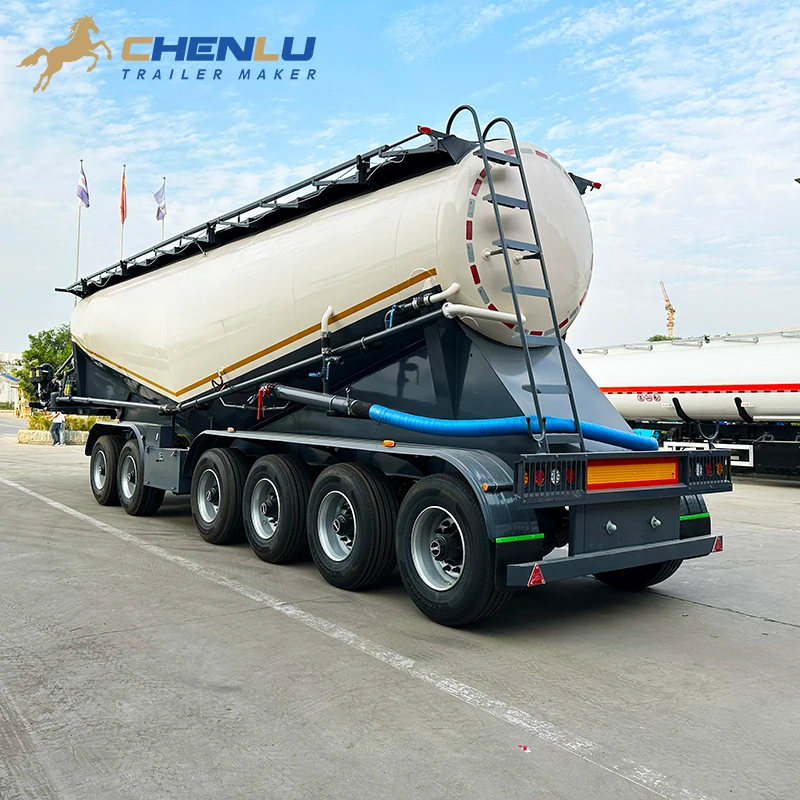
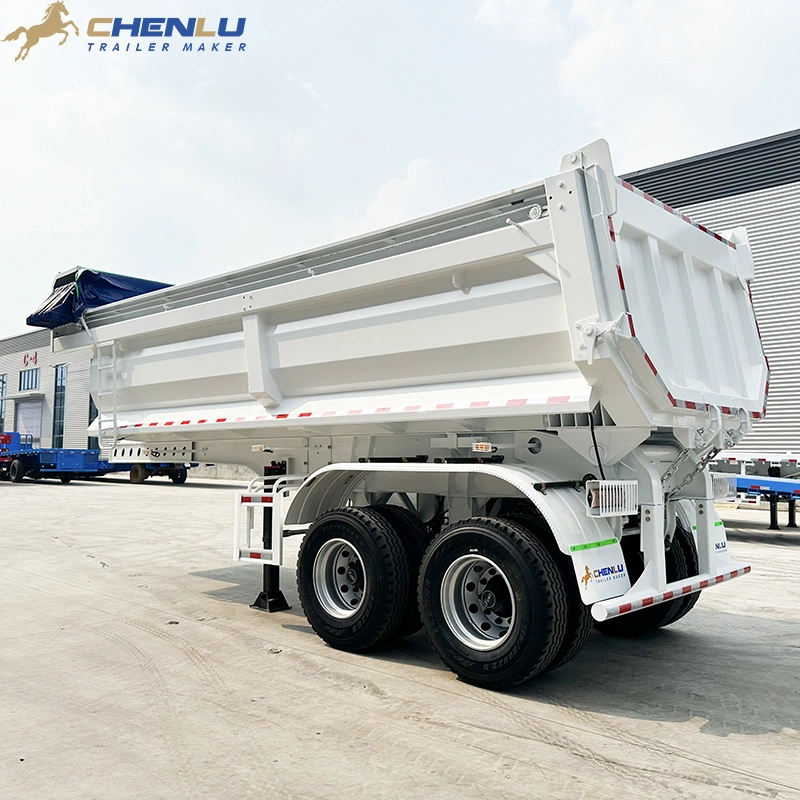
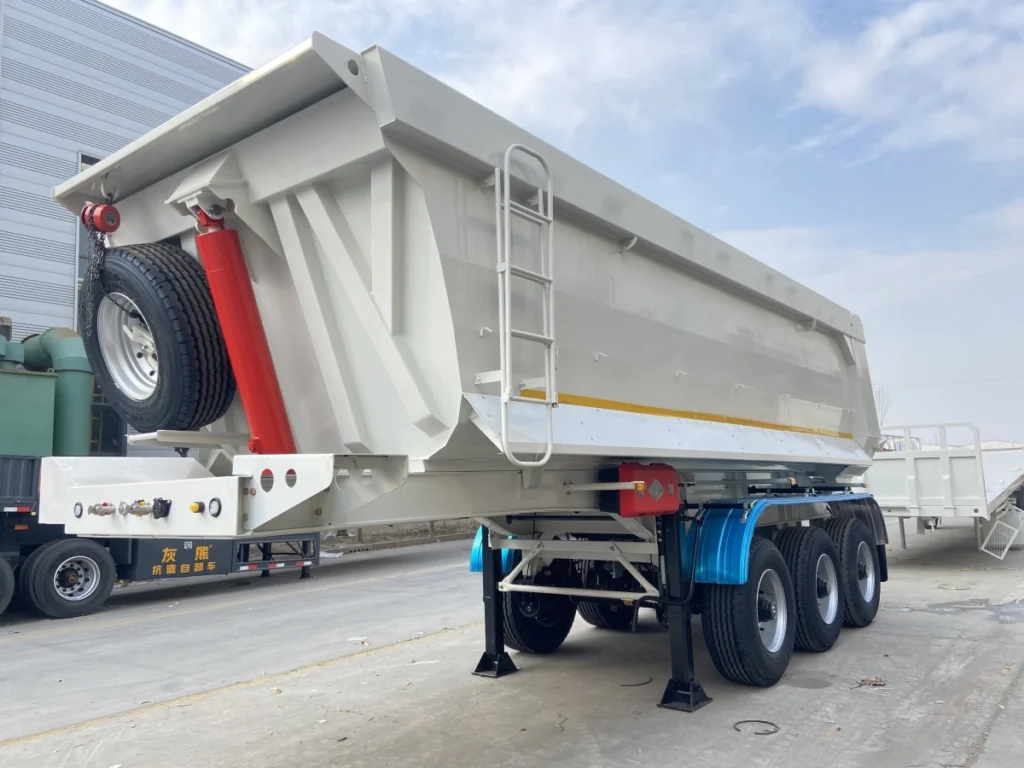
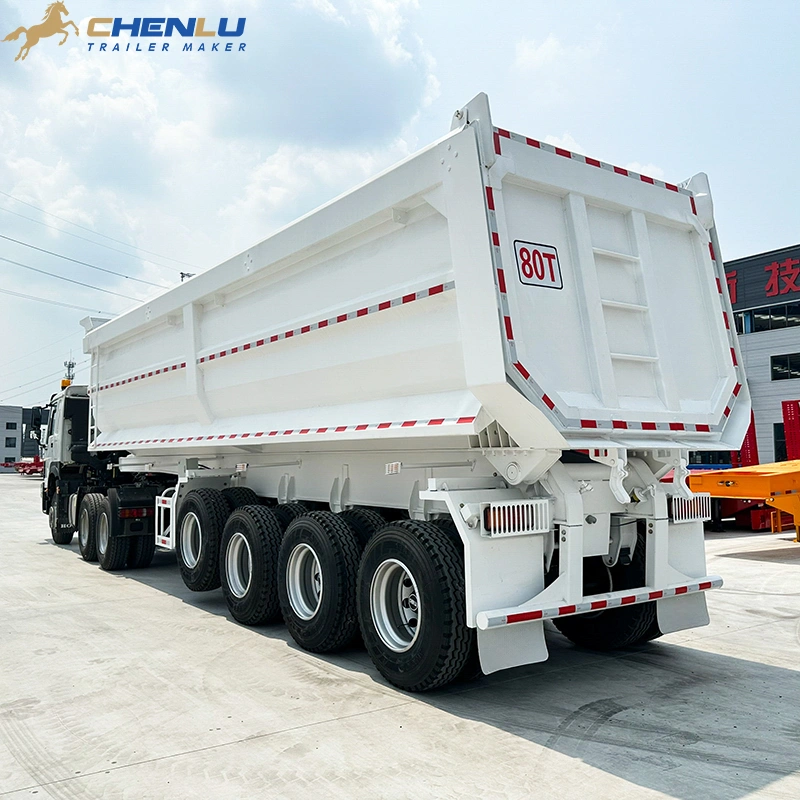
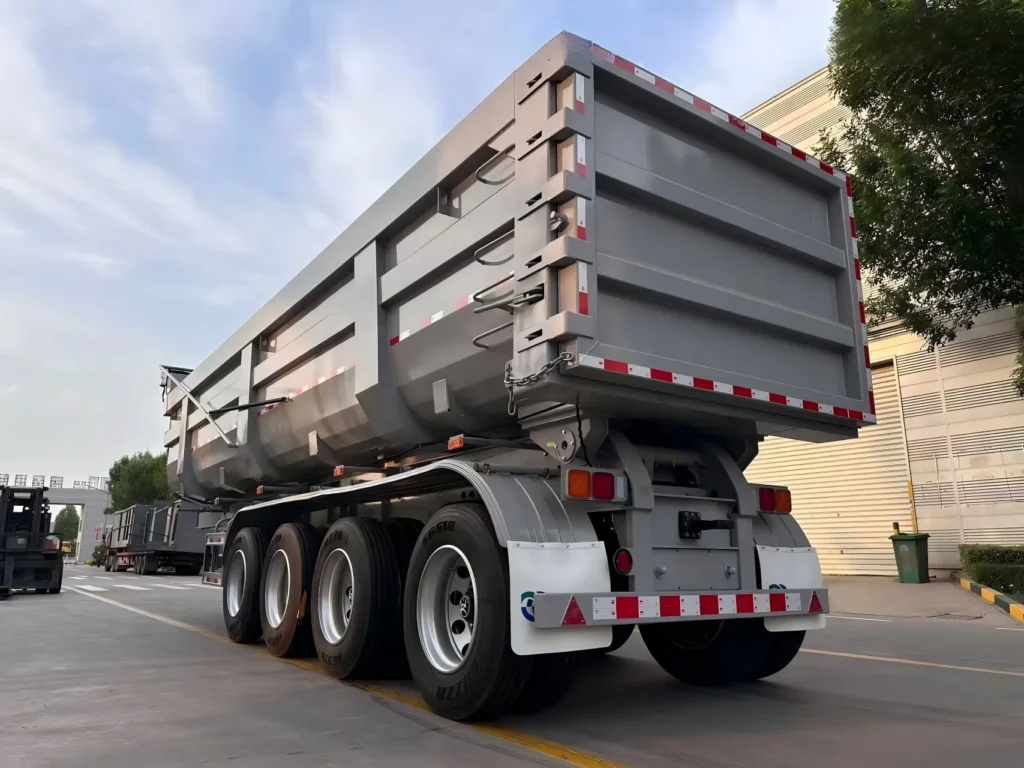
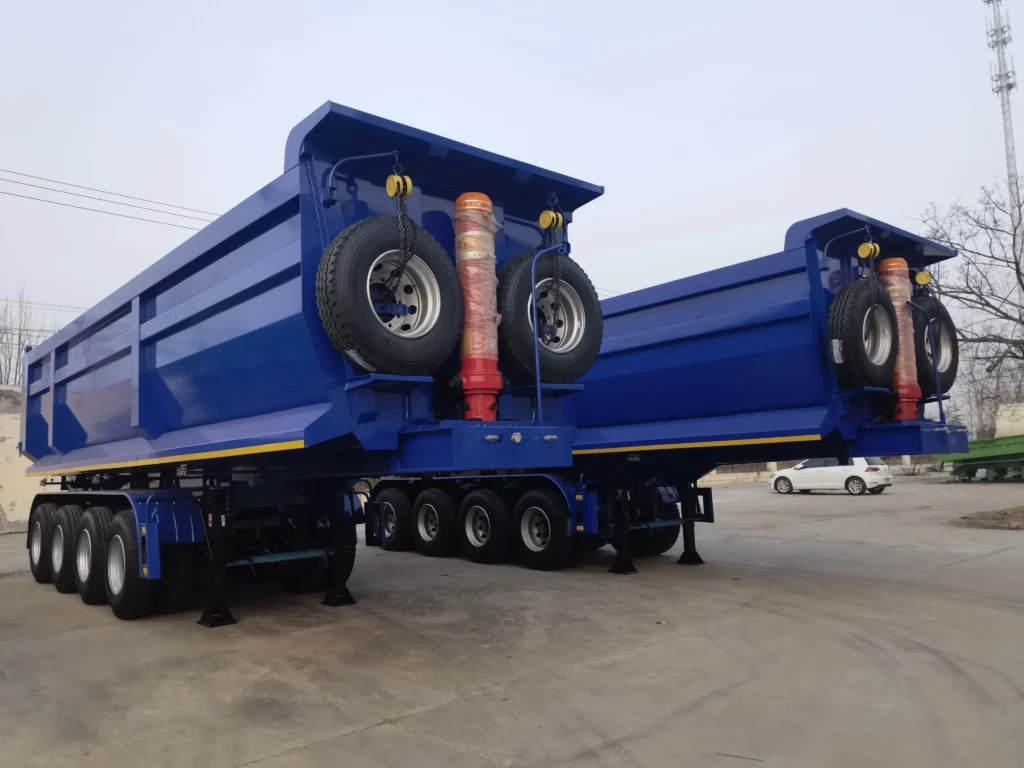
Bulk cement and compatible fine powders are normally discharged through a closed pneumatic line into a silo. Sand, aggregate, coal and similar loose cargo are handled with an open body and hydraulic rear tipping. CHENLU builds both systems for bulk-material work, but the material and receiving point—not body volume alone— decide which trailer fits the job.
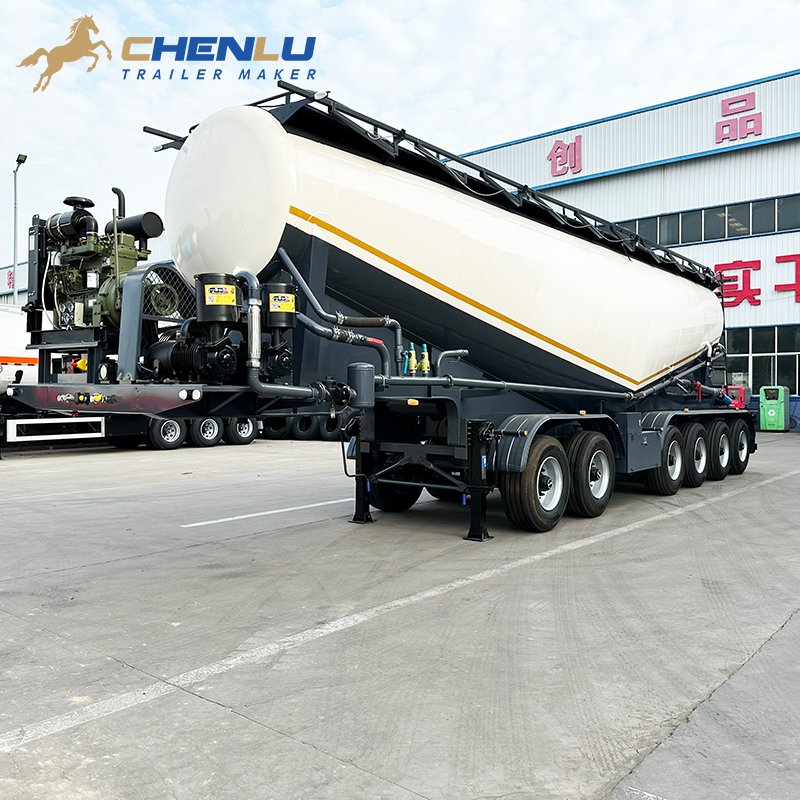
CHENLU bulk material transport trailers for cement, powder and loose cargo
Pneumatic tankers and rear-tipping trailers for different unloading sites

Three Trailer Types Compared

What is the difference between a bulk cement tanker, powder tanker and dump trailer?

The two tankers use a closed pneumatic transfer, but they are selected around different cargo scopes and cleaning demands. A tipper or dump trailer is a separate system: its open body rises and releases the load by gravity.

01 / Pneumatic Cement Delivery

Bulk Cement Tanker Trailer

Intended for dry cement and confirmed compatible cementitious powders delivered repeatedly to a receiving silo.

Cargo
Dry cement and compatible construction powders. Bulk density determines whether payload or tank volume becomes the practical limit first.
Unloading method
Controlled air loosens the powder and moves it through the material pipe and delivery hose.
Receiving point
A silo with the correct fill connection, available capacity, working filter and site unloading procedure.
Choose this collection when

The cargo is cement-based and the destination receives it through a closed tanker-to-silo line.

02 / Material-Specific Powder Service

Powder Tanker Trailer

Reviewed around a named dry powder, with greater attention to its flow behaviour, tank compatibility and cleanout requirements.

Cargo
The exact powder matters. Density, particle size, moisture and cohesiveness can differ sharply between products with a similar appearance.
Unloading method
Pneumatic transfer may still be used, but the aeration, outlet, material line and cleaning arrangement must suit the stated powder.
Receiving point
A compatible plant inlet and transfer route. Product changeover also depends on the permitted residue and cleaning standard.
Choose this collection when

The exact powder and receiving process are known, and the published model identifies a compatible cargo scope.

03 / Open-Body Gravity Discharge

Tipper / Dump Semi Trailer

Intended for compatible loose, granular or lumpy cargo that can be discharged through an open rear tailgate.

Cargo
Sand, aggregate, coal, ore and similar loose material. Abrasion, lump size, loading impact and stickiness affect the body and tailgate choice.
Unloading method
A hydraulic cylinder raises the body and gravity moves the load toward the rear opening.
Receiving point
A stockpile, ground area or suitable hopper with firm level support, rear clearance and a clear raised-body envelope.
Choose this collection when

The site accepts open rear discharge and does not require the material to travel through a closed silo line.

The short version
Bulk cement tanker Cement-based powder → pneumatic line → receiving silo
Powder tanker Named powder → material-specific pneumatic system → plant inlet
Tipper / dump trailer Loose cargo → hydraulic rear tipping → hopper or stockpile

Bulk Material Behaviour

How does the material change the trailer you need?

Bulk density tells you how much space a load may need. It does not tell you how easily the material will leave the trailer. Particle size, moisture, cohesion and abrasion affect whether the load can move through a pneumatic line or should leave an open body by gravity.

01 / Fine, Aeratable Powder

A pneumatic tanker depends on the powder accepting air

Dry cement and some compatible fine powders can be loosened by air and conveyed through a hose to a silo. The aeration system, product line and receiving filter must be considered together. A tank shape alone does not confirm that another powder will discharge in the same way.

02 / Cohesive or Moisture-Affected Powder

Powder that cakes needs more than additional air

Moisture, compaction and time at rest can make fine material bridge above an outlet or remain on internal surfaces. Increasing air pressure does not identify the cause. Review flow behaviour, aeration, outlet arrangement and cleanout access around the actual material.

03 / Free-Flowing Granular Material

The receiving point decides how granules should leave

A granular product may be accepted through a closed transfer line, a plant hopper or an open stockpile. Those destinations require different discharge arrangements. Confirm particle size, dust-control needs and the receiving opening before treating all granules as the same cargo.

04 / Abrasive or Lumpy Cargo

A dump body is judged by impact, wear and discharge space

Aggregate, ore, coal and similar loose cargo can load the floor heavily and concentrate wear near the rear of the body. Review the floor, sidewalls, body profile and tailgate, then confirm firm level ground and clear space for the body to rise.

Why can the same tanker unload differently at two silos?

Drivers often notice the trailer first, but the receiving plant changes the job too. Hose length, vertical lift, pipe bends, silo space and filter condition affect the resistance seen during pneumatic transfer. Material moisture and compaction add another variable. For this reason, an unloading-time figure is only meaningful when the material, air supply and receiving conditions are stated with it.

Buyer FAQ

Bulk Material Trailer FAQs

“Dry bulk” can describe cement, another fine powder or loose granular cargo. The exact material and the way it must enter the receiving site determine which trailer category should be reviewed.

FAQ 01 What is the difference between a bulk cement tanker and a powder tanker?

Both may use pneumatic discharge, so the names sometimes overlap. A bulk cement tanker is centred on dry cement and compatible cementitious powders delivered to a silo. A powder tanker is reviewed around the named powder, including its density, particle size, moisture, aeration and cleanout requirements. Check the stated cargo scope of the individual model rather than judging by tank shape alone.

FAQ 02 How does a pneumatic tanker trailer unload dry powder?

An onboard or site air source supplies controlled air to the tank and aeration system. The powder moves toward the outlet and then travels through the material line and hose to the receiving silo. Flow depends on the powder, air supply, hose route, vertical lift and receiving equipment. The selected tanker and site procedure must therefore be reviewed together.

FAQ 03 Is a cement tanker trailer the same as a concrete mixer?

No. A cement tanker carries dry cement powder and normally transfers it into a silo through a pneumatic line. A concrete mixer carries wet concrete in a rotating drum. The cargo condition, body structure and unloading equipment are different.

FAQ 04 Can one powder tanker carry several different materials?

Only when material compatibility and a suitable changeover procedure have been confirmed. Residue, moisture, aeration and allowable cross-contamination can make dedicated service necessary. Do not assume that a tanker configured for one powder can carry another powder without reviewing the tank, seals, discharge path and cleaning access.

FAQ 05 How is tanker or dump trailer capacity selected for bulk material?

Start with the material’s loose bulk density. Compare the space required by the load with the available payload, trailer tare, load position and destination axle limits. Dense material may reach the permitted transport weight before the body is full. A lighter material may require more volume for the same load weight.

FAQ 06 When should a dump semi trailer be used instead of a pneumatic tanker?

A dump semi trailer is relevant when compatible loose or lumpy cargo can leave through an open rear tailgate into a hopper, stockpile or ground area. It needs firm level support, rear clearance and clear space for the raised body. A pneumatic tanker is relevant when the material must remain enclosed and travel through a pipe to a silo or plant inlet.

FAQ 07 What information is needed to select a bulk material transport trailer?

Record the exact material, loose bulk density, normal load, moisture or abrasion concerns, loading method, receiving equipment, route and destination. For pneumatic delivery, add the air source, hose run, vertical lift and silo connection. For rear tipping, add the loading equipment, tailgate requirement, ground condition and raised-body clearance.

    Get a Quote Now


    Submit your inquiry to receive a precise quote and professional advice for your project.