
How This 3-Axle Powder Tanker Supports Pneumatic Unloading
This configuration transports compatible dry powders and unloads them into a receiving silo through compressed air. Its three-axle running layout, independent diesel power system and external discharge pipework form the main operating system.
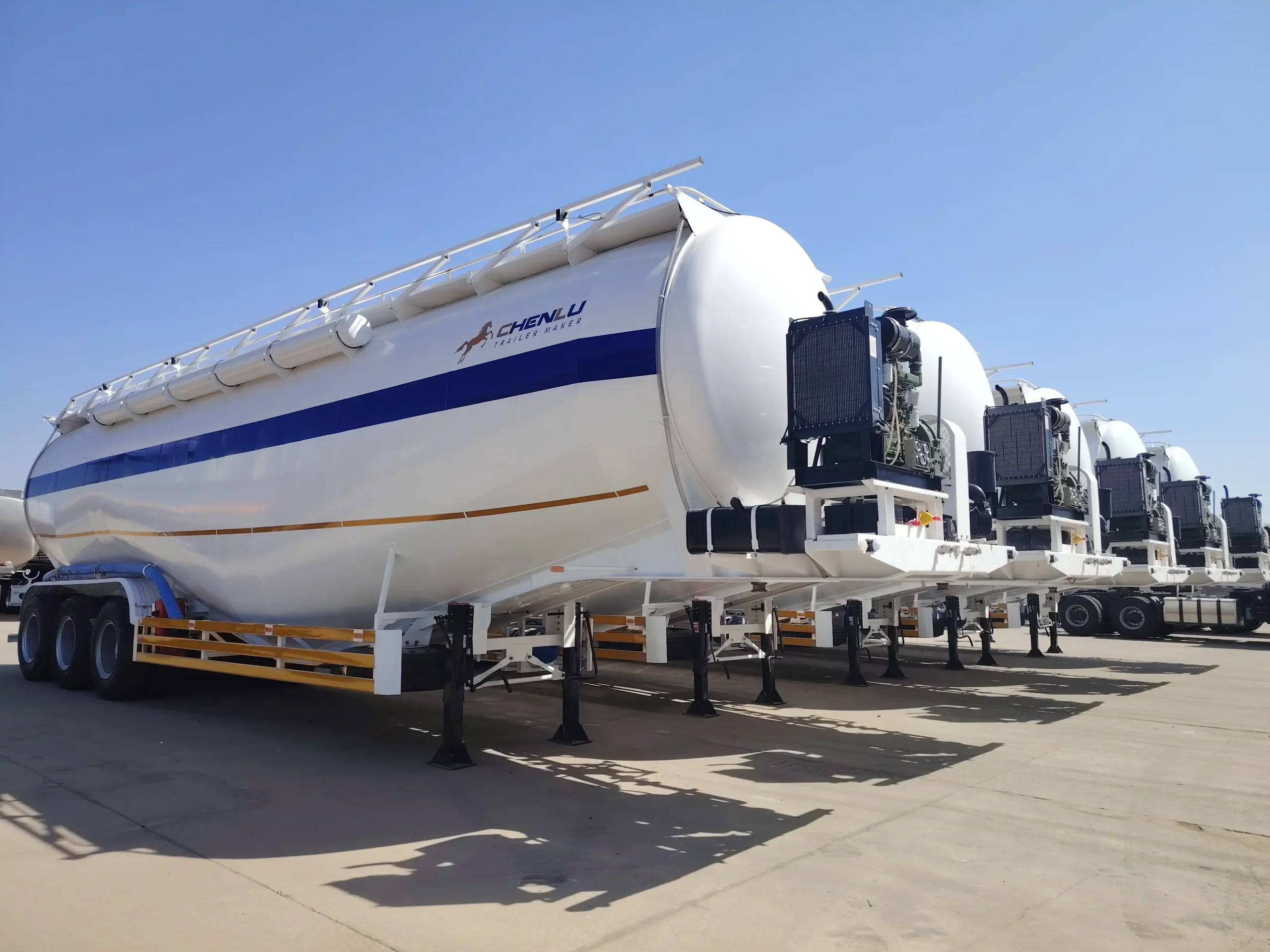
Independent Diesel Power System
The front-mounted diesel unit powers the pneumatic discharge equipment. It allows the tanker to unload without relying on the tractor PTO or an external power source.
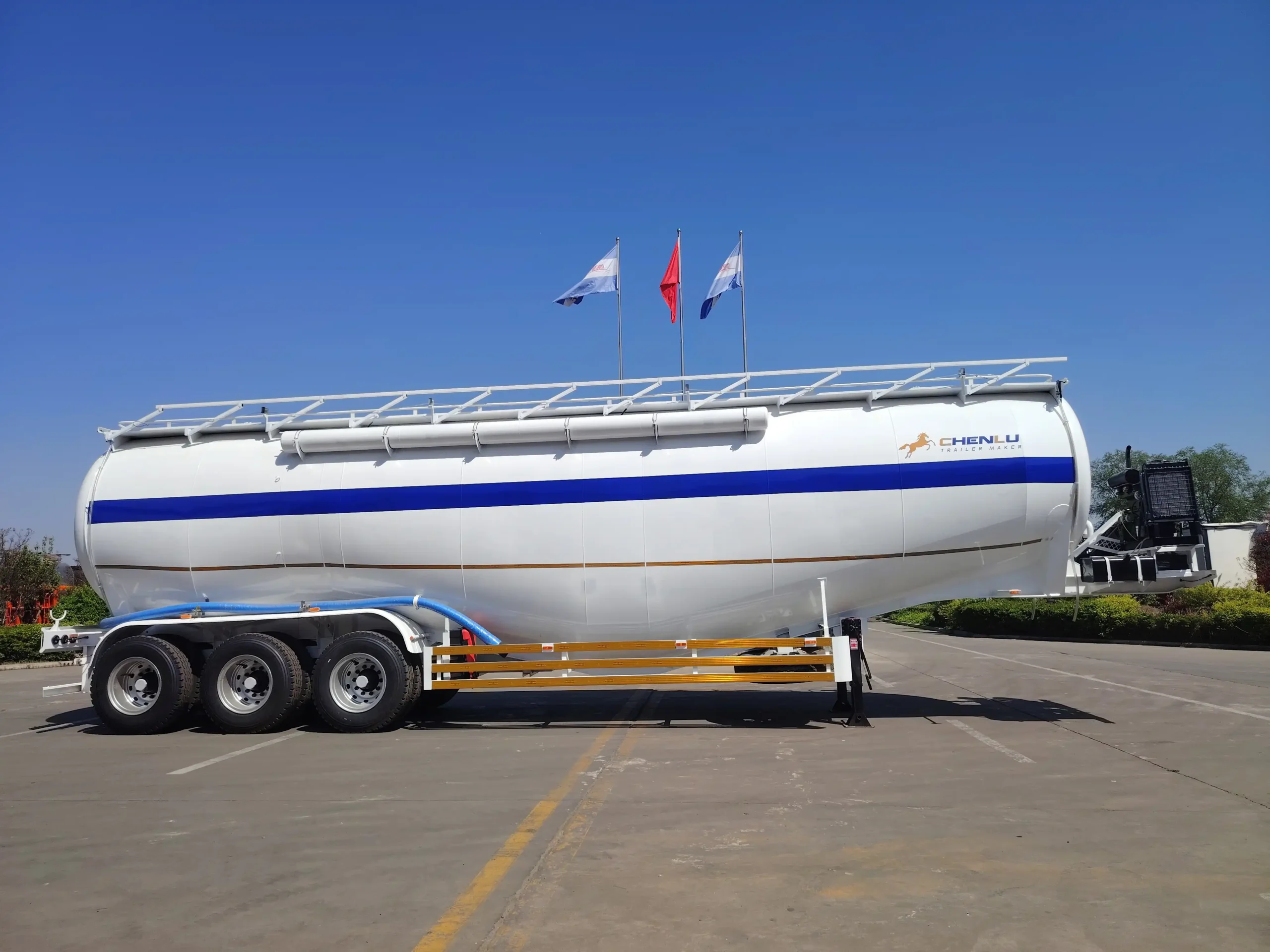
Three-Axle Running Configuration
The three-axle layout supports the tanker body, diesel power system and pneumatic equipment during transport. Final axle spacing and ratings must match the tank volume, material density, tractor limits and destination axle-load requirements.
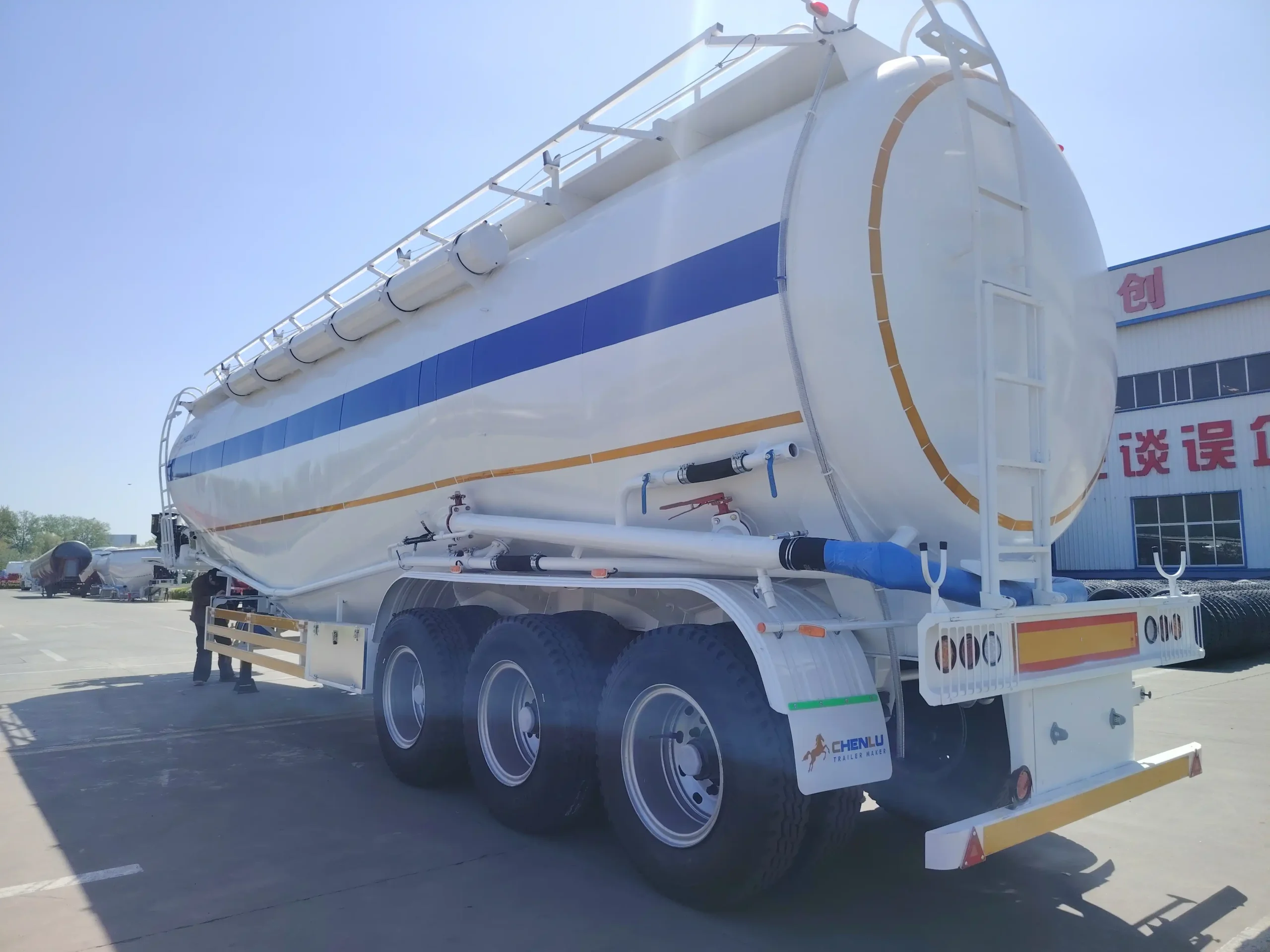
Pneumatic Discharge and Service Access
The external pipework transfers the dry material toward the receiving-silo connection during pneumatic unloading. The rear ladder and top walkway provide designated access points for inspection and maintenance.
BULK CEMENT TRANSPORT & UNLOADING
How Does This Powder Tanker Deliver to Your Silo?
The CHENLU 3-axle bulk cement tanker semi-trailer transports cement and compatible dry powders in an enclosed tank. Its independent diesel power system powers the pneumatic unloading equipment to transfer material through a discharge hose into a receiving silo.
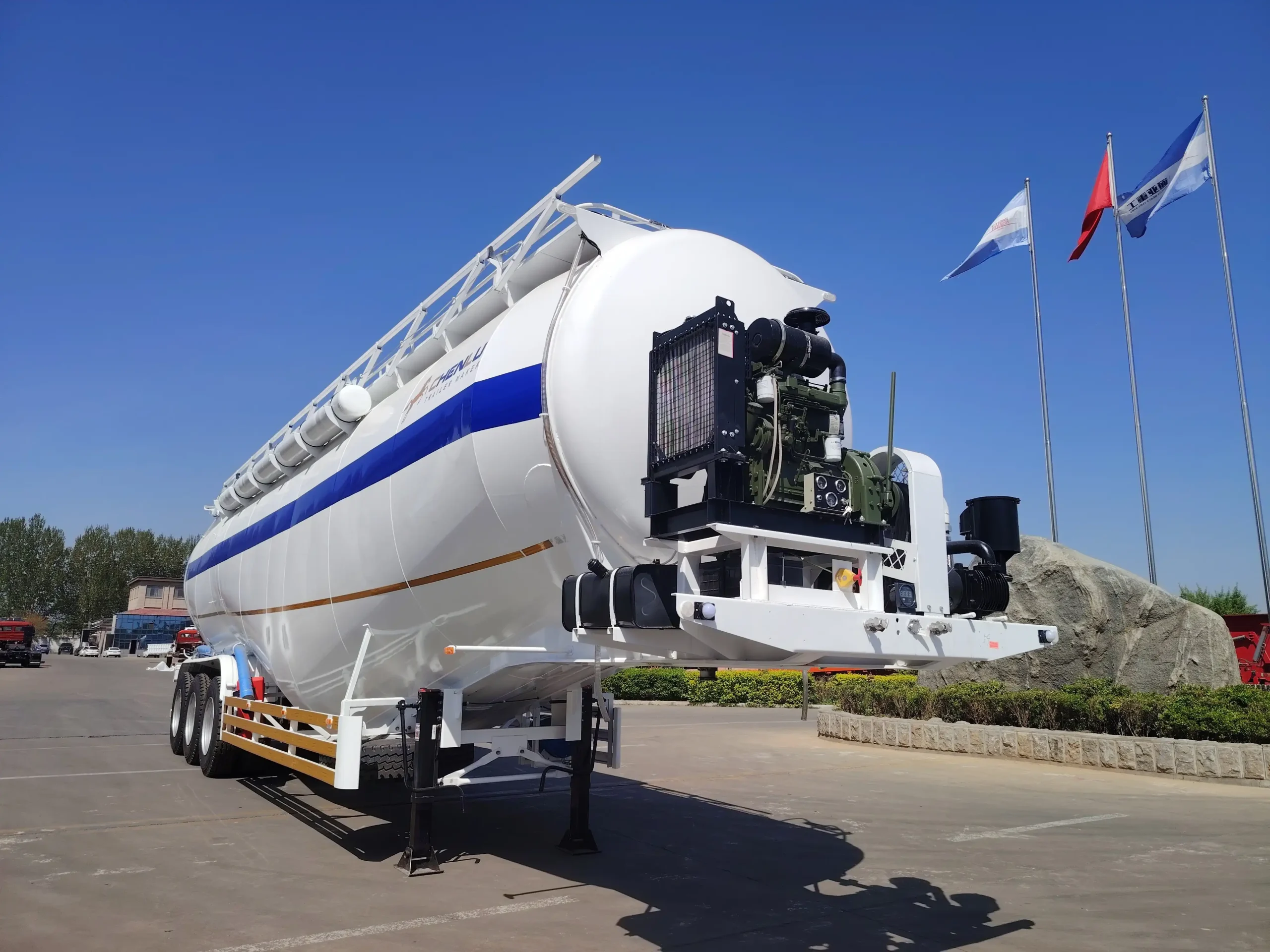
FROM LOADING POINT TO RECEIVING SILO
Bulk Delivery for Cement Supply
Carry unpackaged cement from a cement plant or distribution terminal to a concrete batching plant or a construction site equipped with a receiving silo.
Pneumatic discharge moves the powder through a hose into the silo, avoiding the need to handle individual bags at delivery.
- Cargo
- Bulk cement and compatible dry powders
- Discharge
- Pneumatic transfer into a receiving silo
- Power
- Trailer-mounted independent diesel system
Enclosed Powder Transport
The tank carries dry powder in bulk during transport. For materials other than cement, send the powder name and material properties so compatibility with the tank and unloading system can be checked.
Tank Volume and Payload
Cubic metres describe tank volume; tonnes describe cargo weight. The same volume can hold different weights of different powders. Both figures must suit the material, trailer weight and route loading limits.
Independent Diesel Power
The trailer-mounted diesel engine powers the air-supply equipment used for unloading. This arrangement provides unloading power independently of the tractor’s power take-off (PTO).
Pneumatic Silo Delivery
Compressed air conveys powder through the discharge line to the receiving silo. Silo inlet height, hose distance and connection size help determine the discharge arrangement for the delivery site.
Request a Quote for Your Cement Delivery Route
Send the powder type, required load in tonnes, destination country and order quantity. Add the silo inlet height and conveying distance if available.
Which Dimensions Should Be Checked Before Powder Tanker Production?
The final tanker drawing should connect the tractor interface, axle-load plan, site-access conditions and pneumatic discharge route before overall dimensions and equipment positions are frozen.
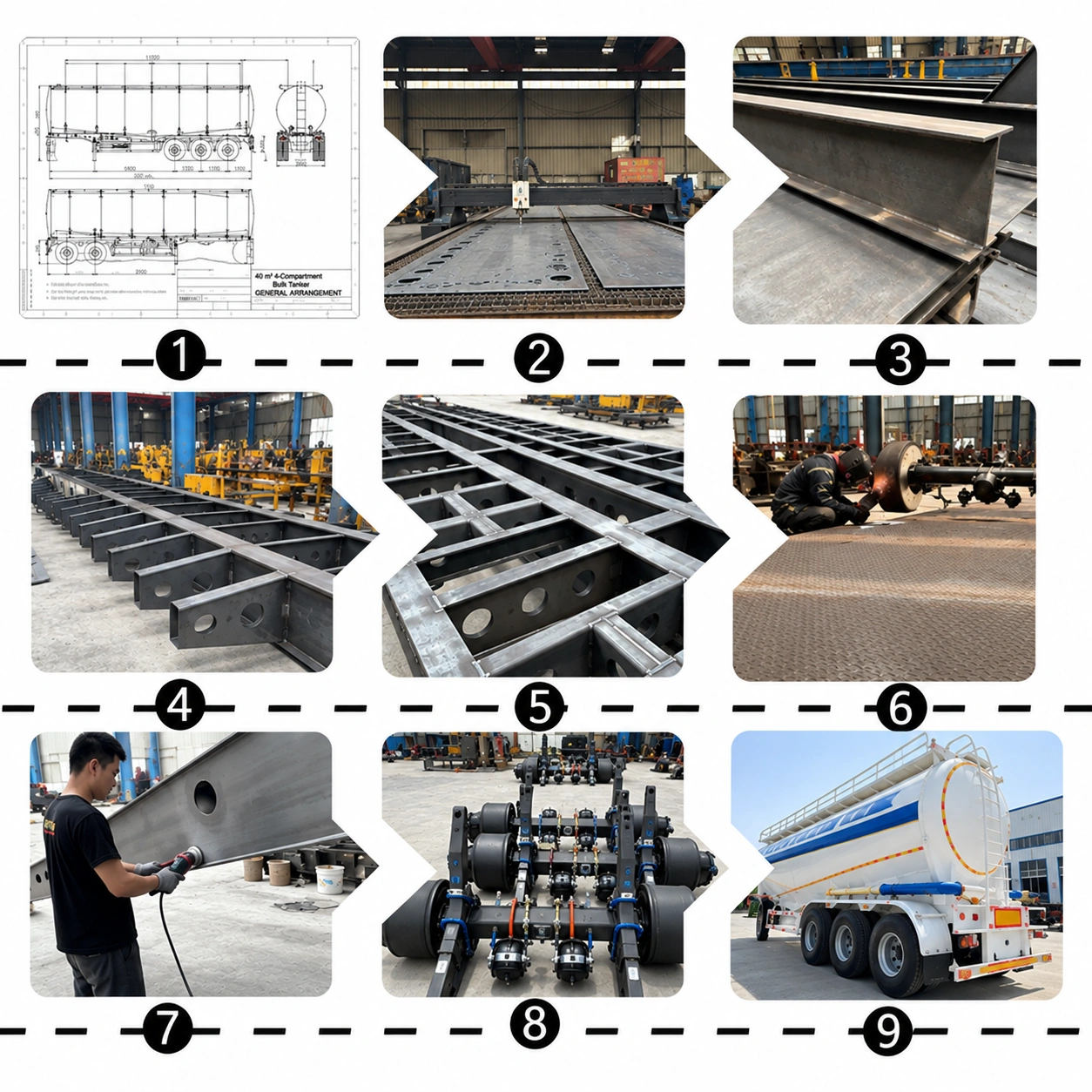 GENERAL ARRANGEMENT REVIEW
Check More Than Overall Length and Width
A usable drawing should show how the tanker connects to the tractor, carries its loaded mass, enters the operating site and connects to the receiving silo.
Tractor Interface
Confirm fifth-wheel height, kingpin position, swing clearance, electrical and brake connections, and clearance around the front-mounted pneumatic equipment.
Axle and Legal-Load Review
Confirm axle spacing, individual axle ratings, tanker tare, calculated load distribution and permitted combination mass before fixing the final tank volume.
Loading and Site Access
Review gate width, turning space, overhead clearance, ground conditions, loading equipment and the position of the receiving-silo connection.
Pneumatic Conveying Route
Record silo inlet height, horizontal conveying distance, hose or pipe diameter, number of bends and receiving-filter capacity for pneumatic-system selection.
Six Items the Approved Layout Should Define
Overall length, width and height.
Tank volume together with internal hopper or aeration arrangement.
Kingpin position, coupling height and required swing clearance.
Axle spacing and calculated loaded-weight distribution.
Power unit, compressor or blower, air lines and pipe arrangement.
Discharge outlet, hose route and receiving-silo connection.
Review the Powder Tanker Layout Before Production
The final general arrangement should connect the tank layout, tractor interface, axle positions, pneumatic equipment and discharge connection in one approved drawing.
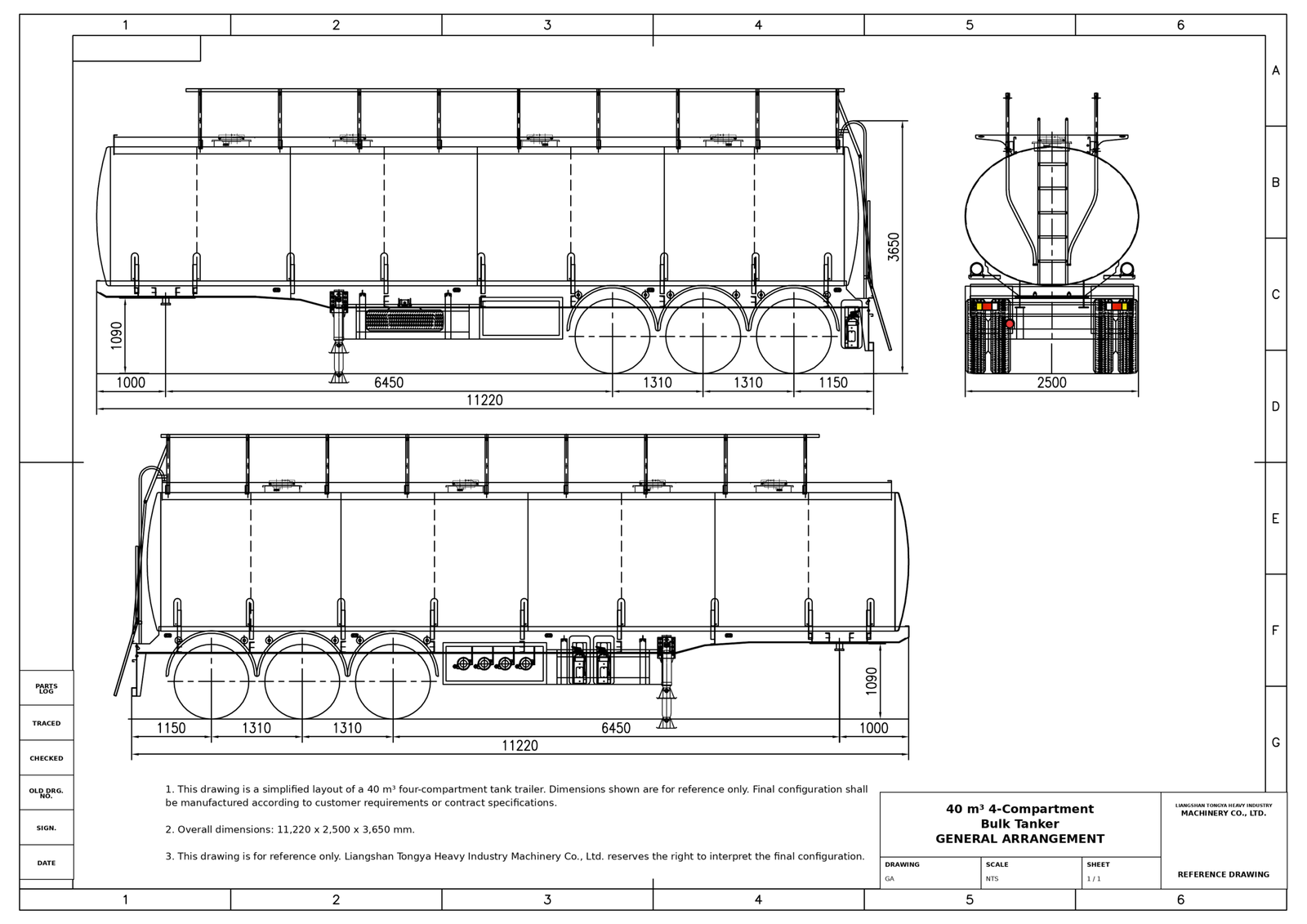 GENERAL ARRANGEMENT
Do not freeze tank volume from cubic capacity alone. Powder bulk density, trailer tare, axle limits, tractor combination and the receiving-silo conditions can all change the final configuration.
Optional Parts And Accessories
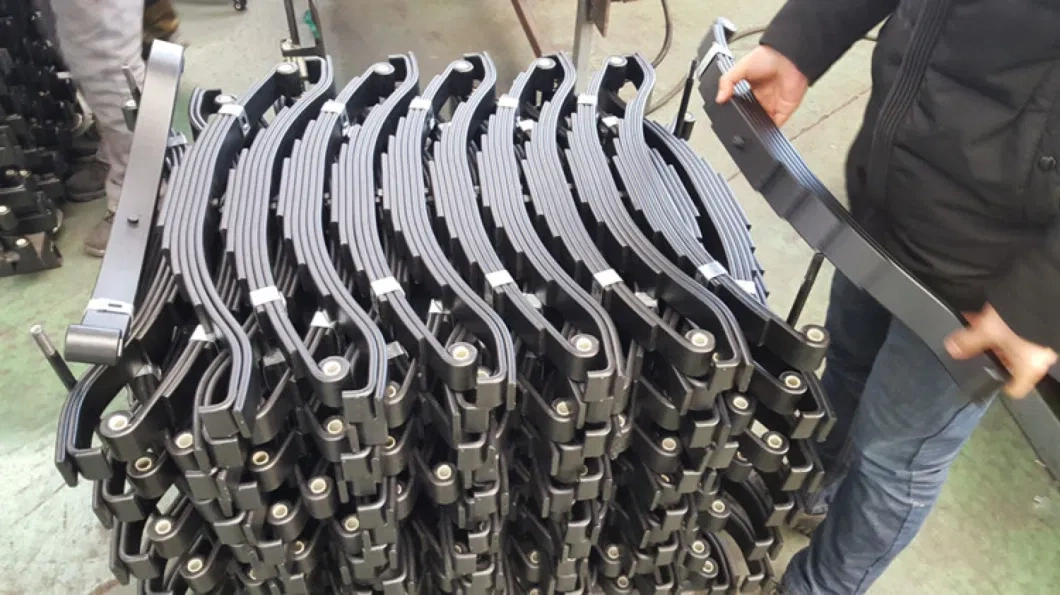
Semi-Trailer Axle Support Plate
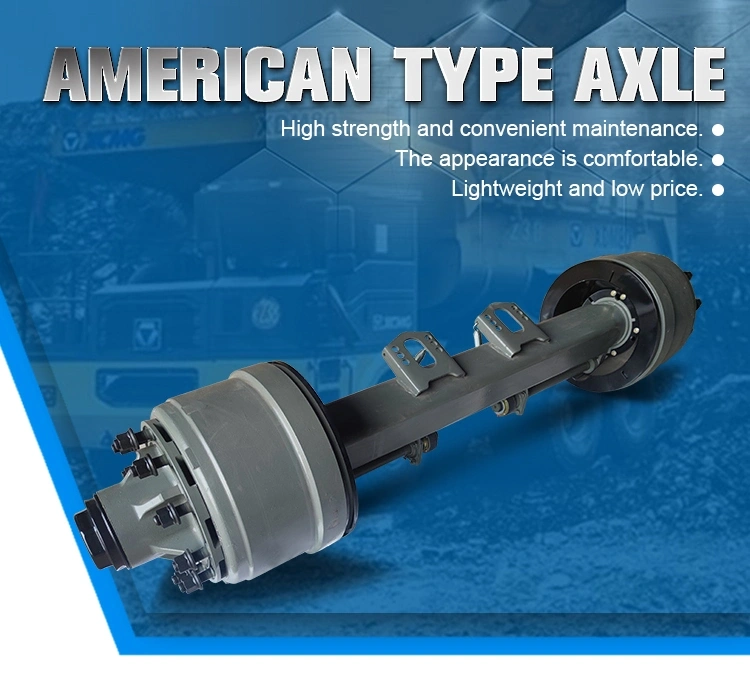
American-Style Axle
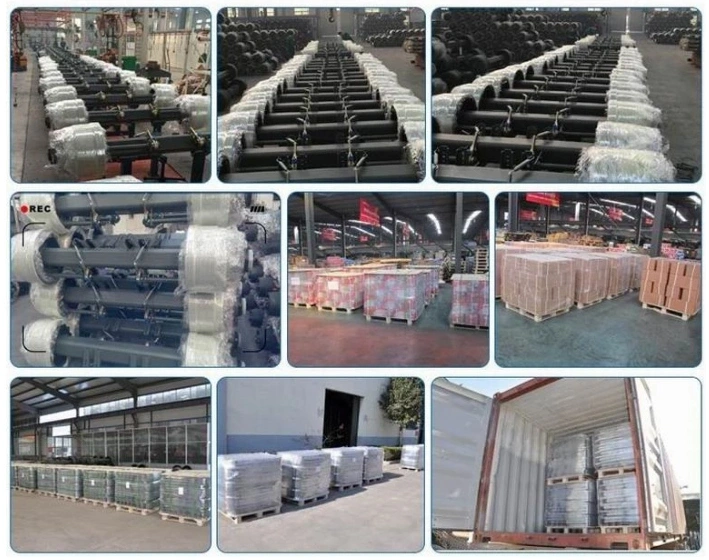
Trailer Suspension Parts
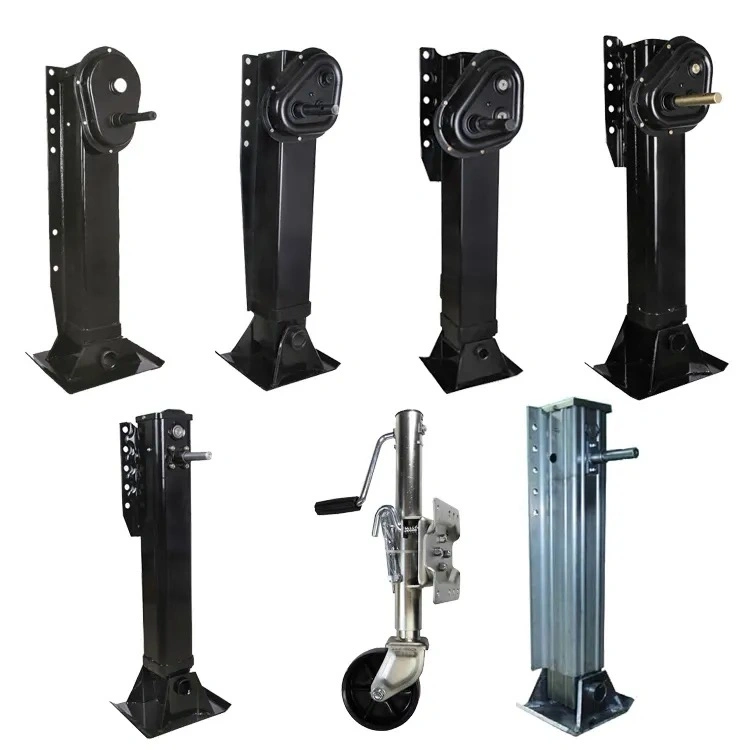
Trailer Suspension Support Leg
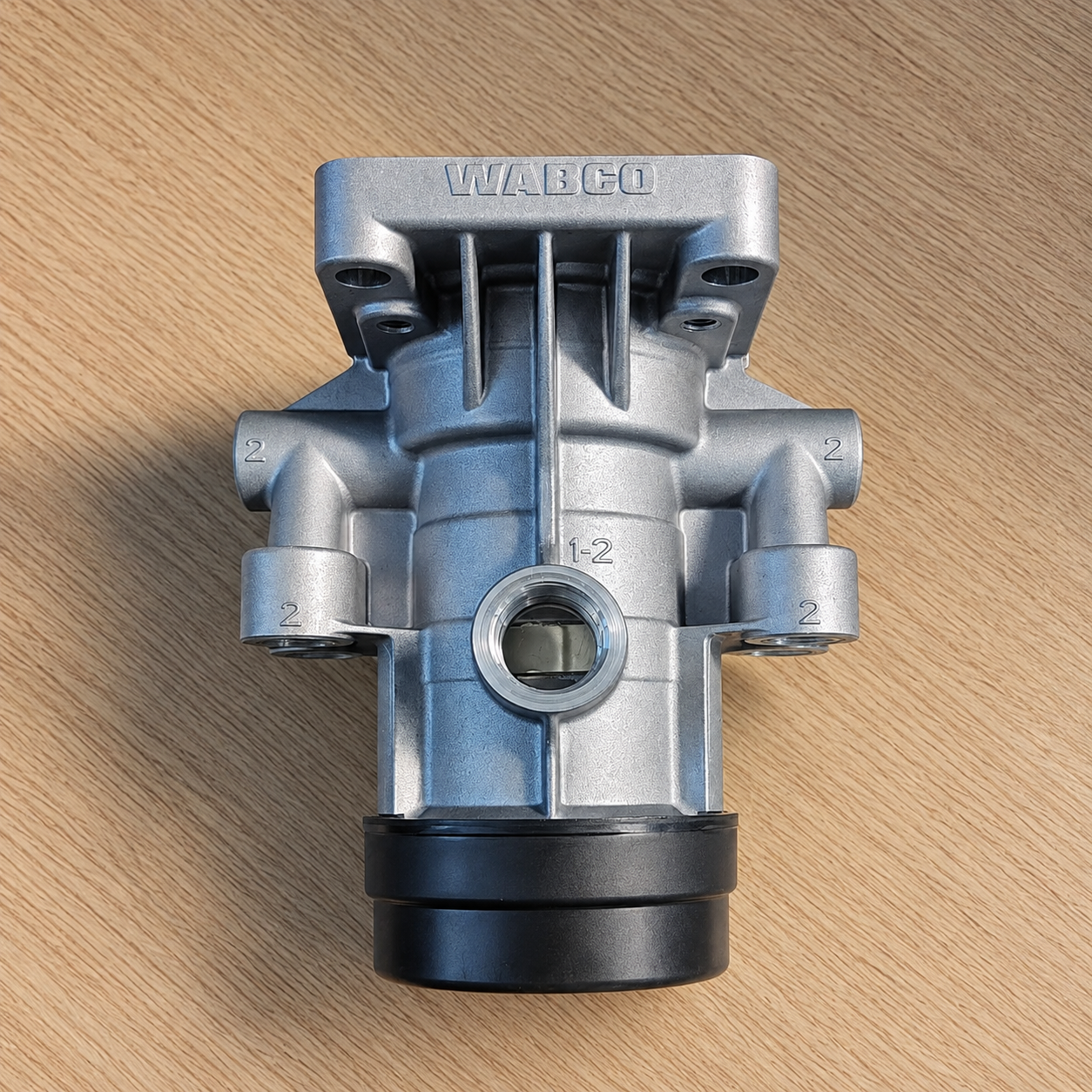
WABCO Brake Valve
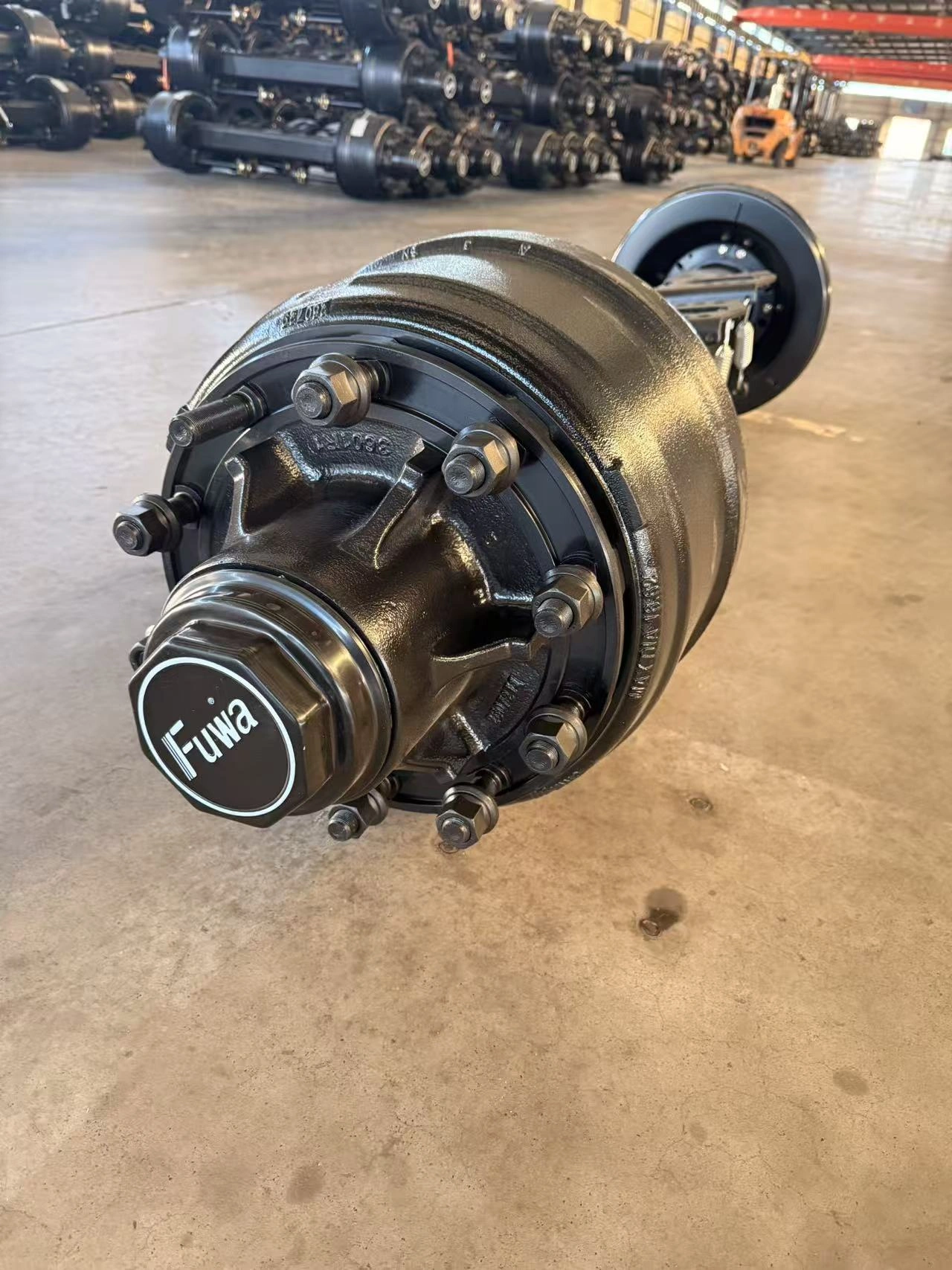
FUHUA (TUWA) Trailer Axle
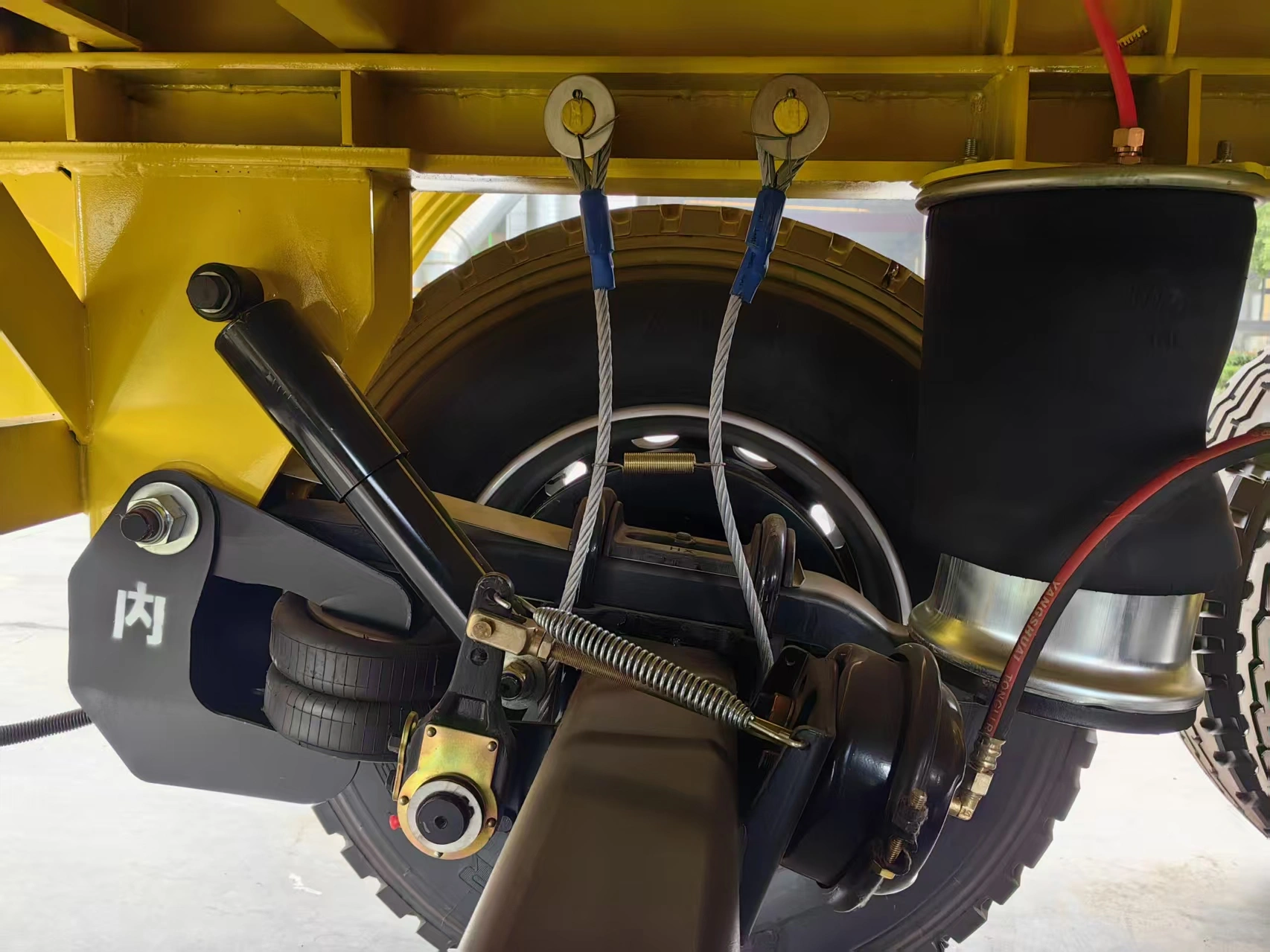
German-Style Trailer Suspension
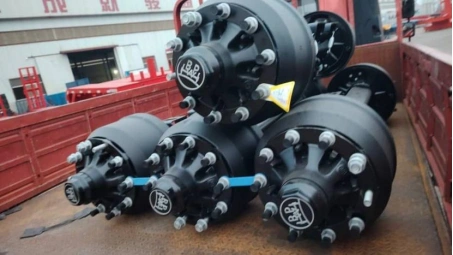
BPW Trailer Axle
Why Trust Chenlu?
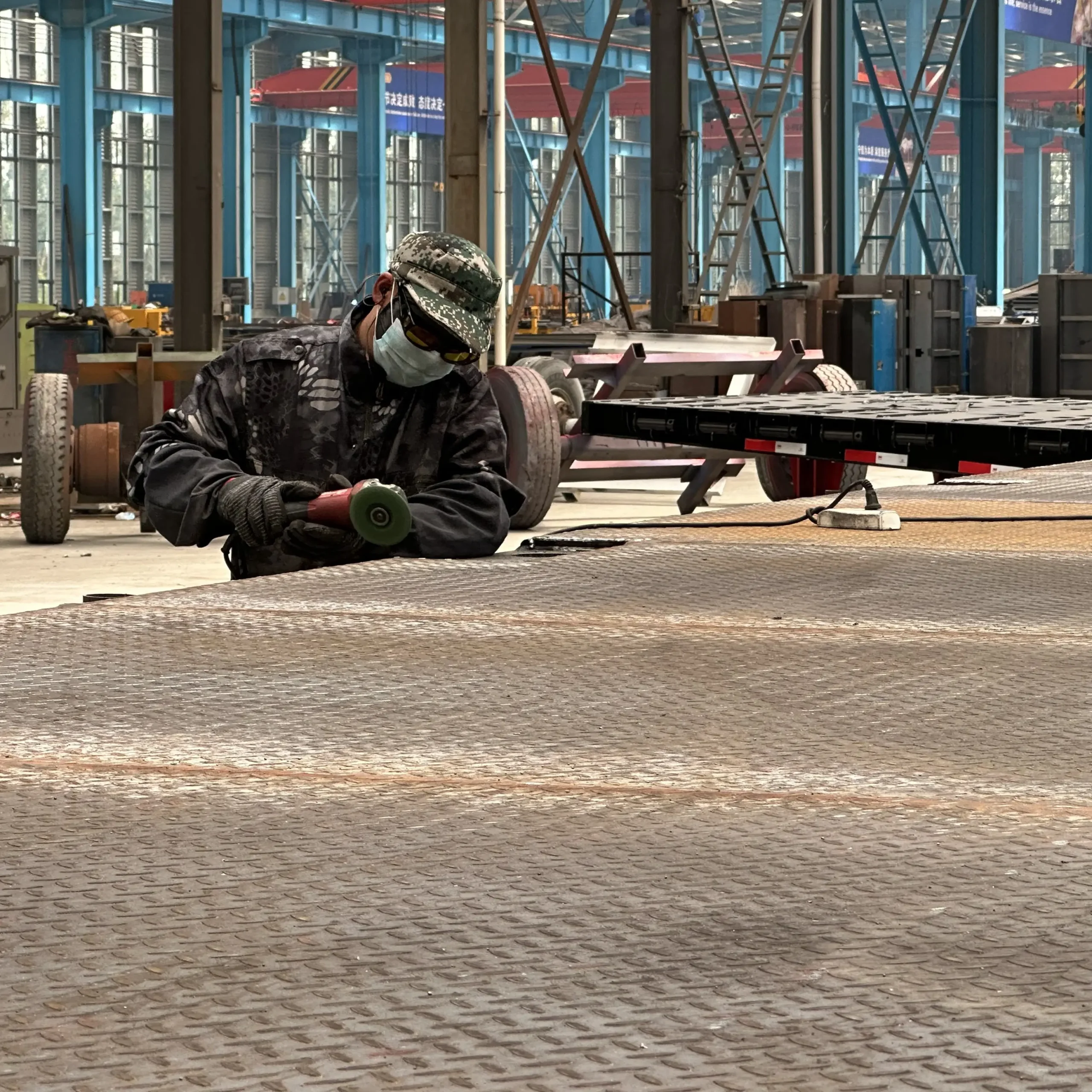
Factory-Direct Manufacturing
CHENLU presents its own semi-trailer manufacturing base with modern workshops, CNC cutting, automatic welding lines and painting facilities. This supports direct communication between the buyer, engineering team and production team.
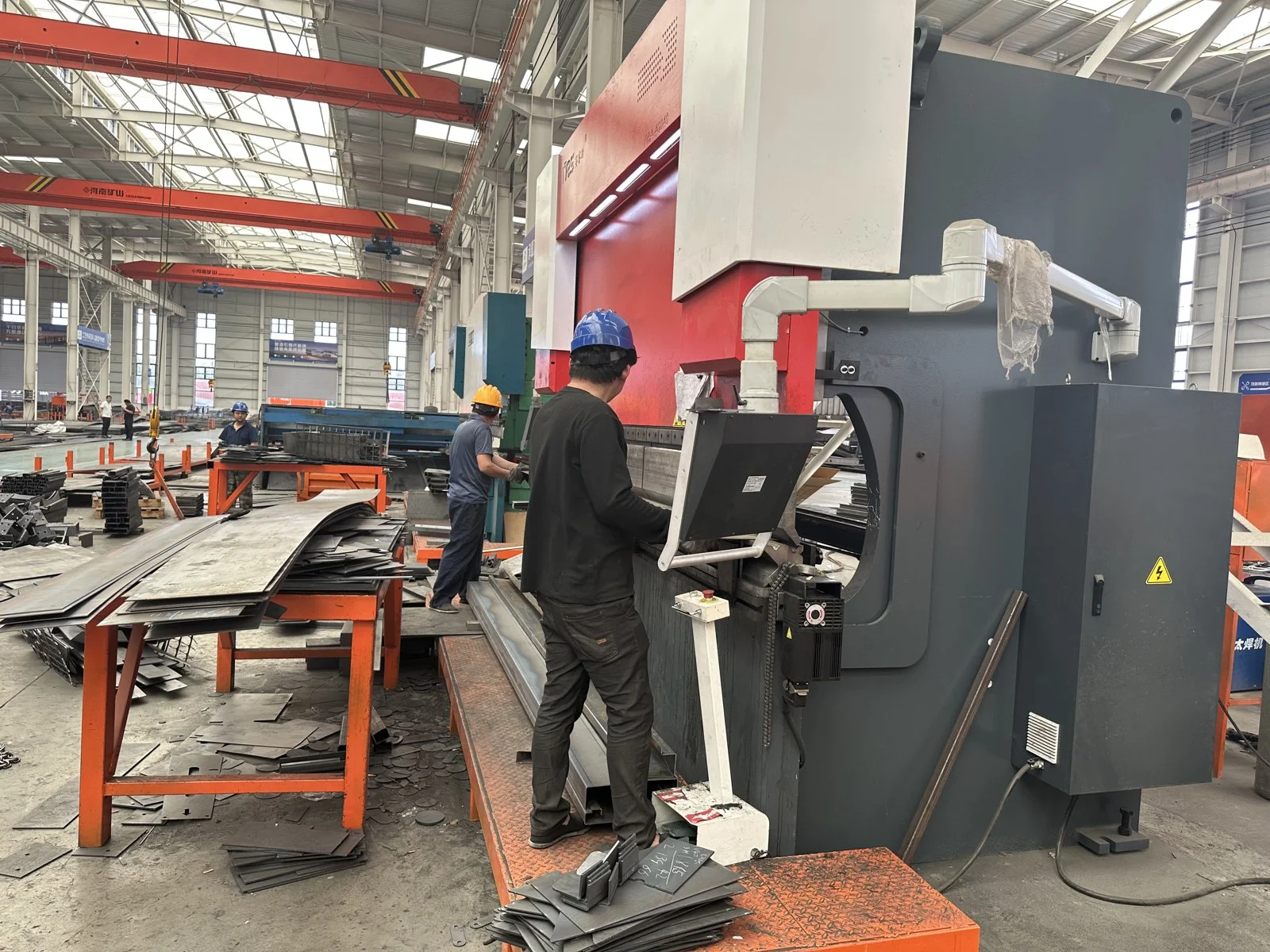
OEM/ODM Configuration Review
The published customization scope includes axle number and load configuration, suspension type, ride height, frame reinforcement, deck requirements, branding, colour and logo. The final scope should be confirmed against the cargo, tractor and destination route.
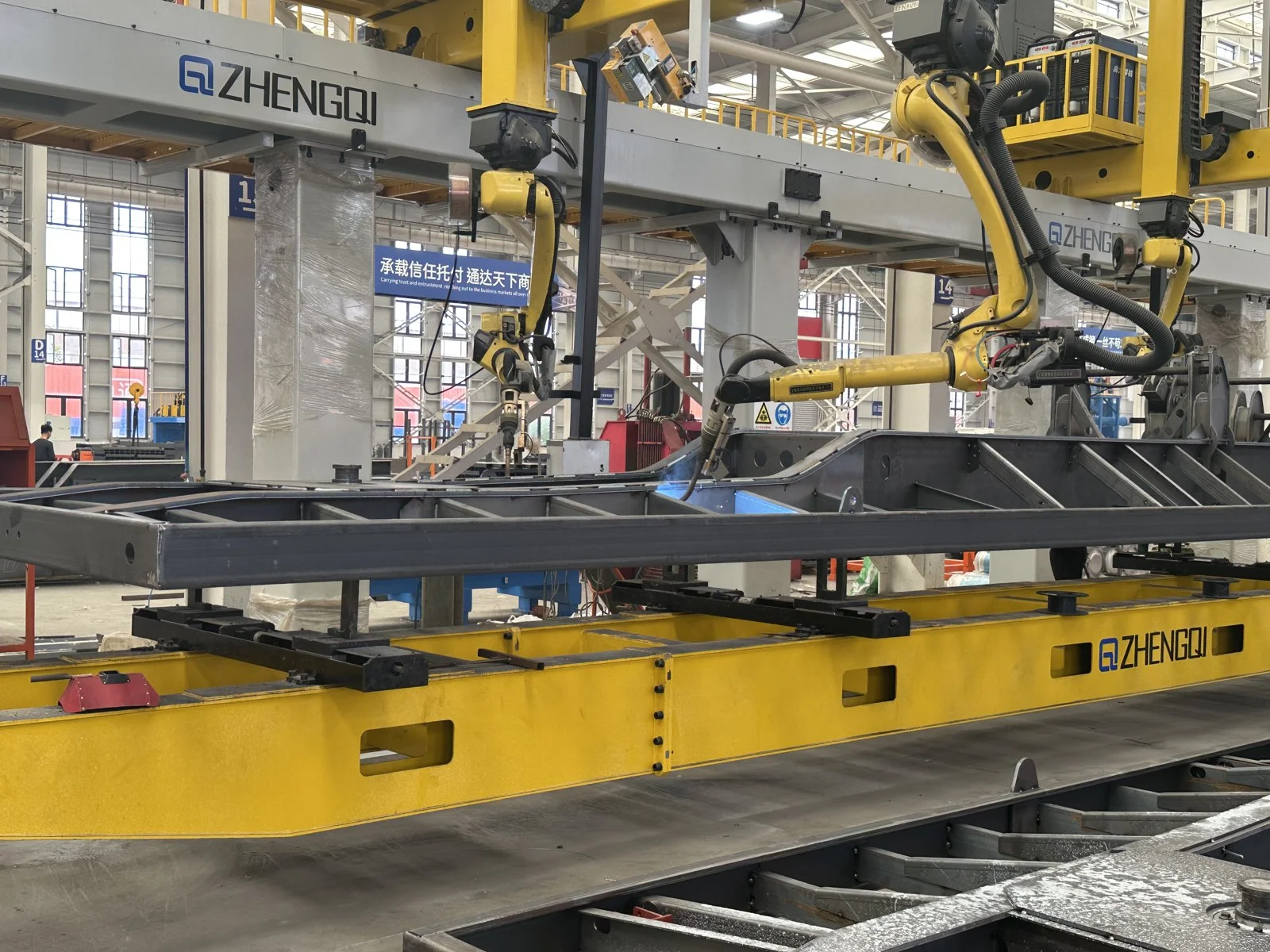
Process-Based Quality Control
The factory workflow covers material preparation, main-beam welding, frame assembly, surface treatment, painting, final assembly, inspection and testing. Quality checks should be recorded against the actual project configuration before delivery.

B2B Export and Project Support
CHENLU works with fleet owners, contractors, distributors and project buyers across logistics, construction, mining and heavy-equipment transport applications. The quotation should confirm the tractor interface, route, axle-load requirements and local permits.
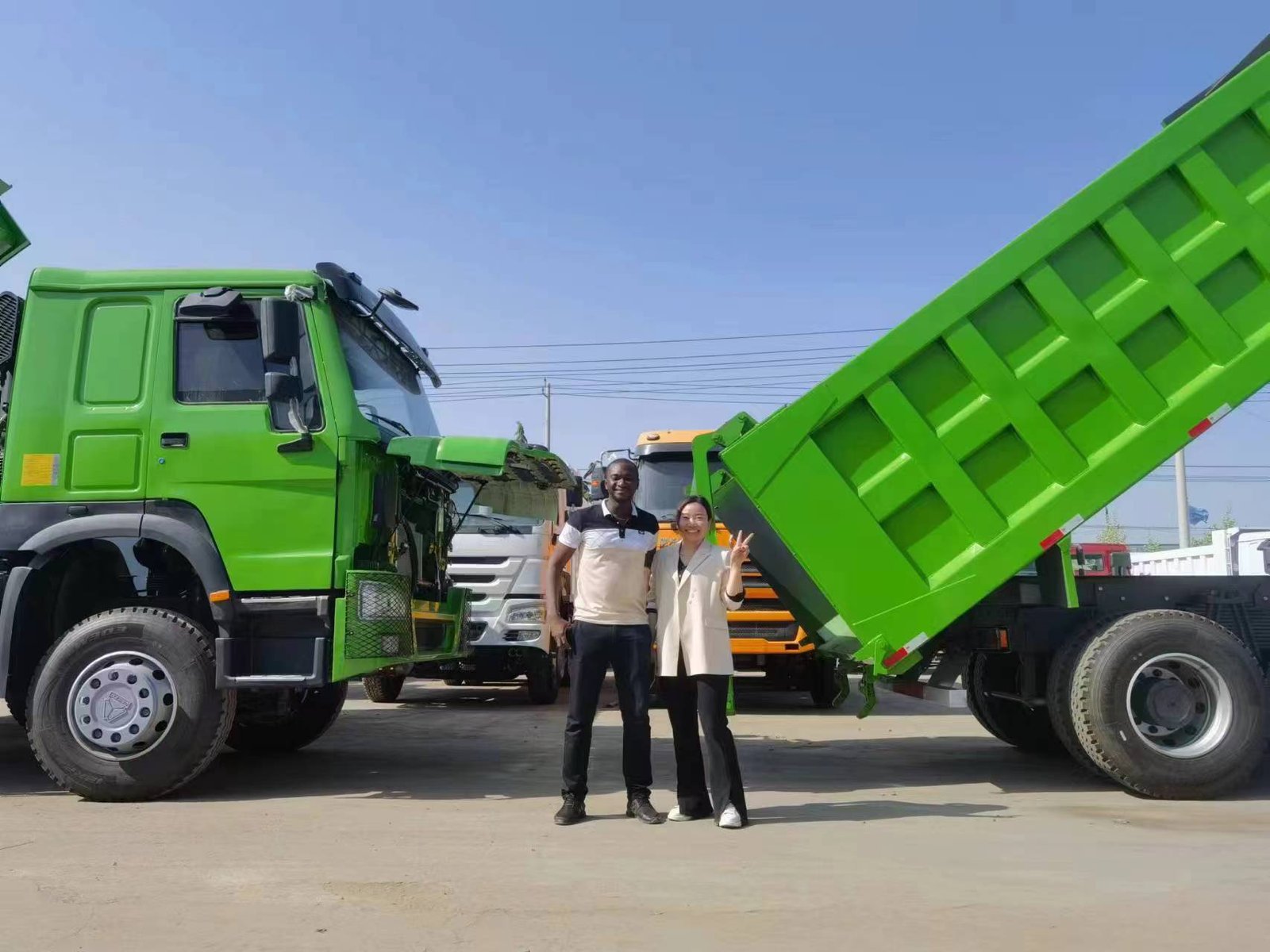
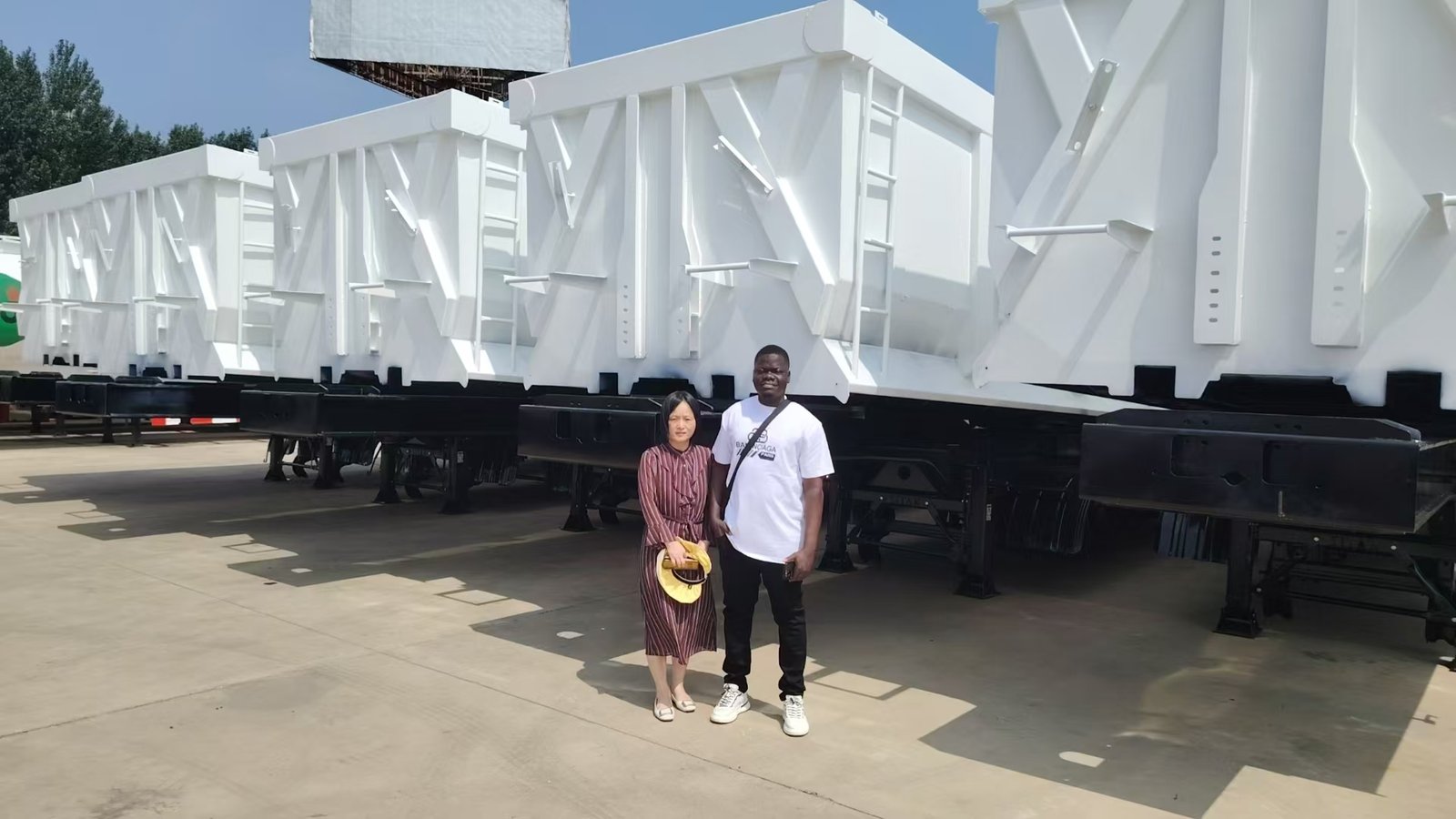
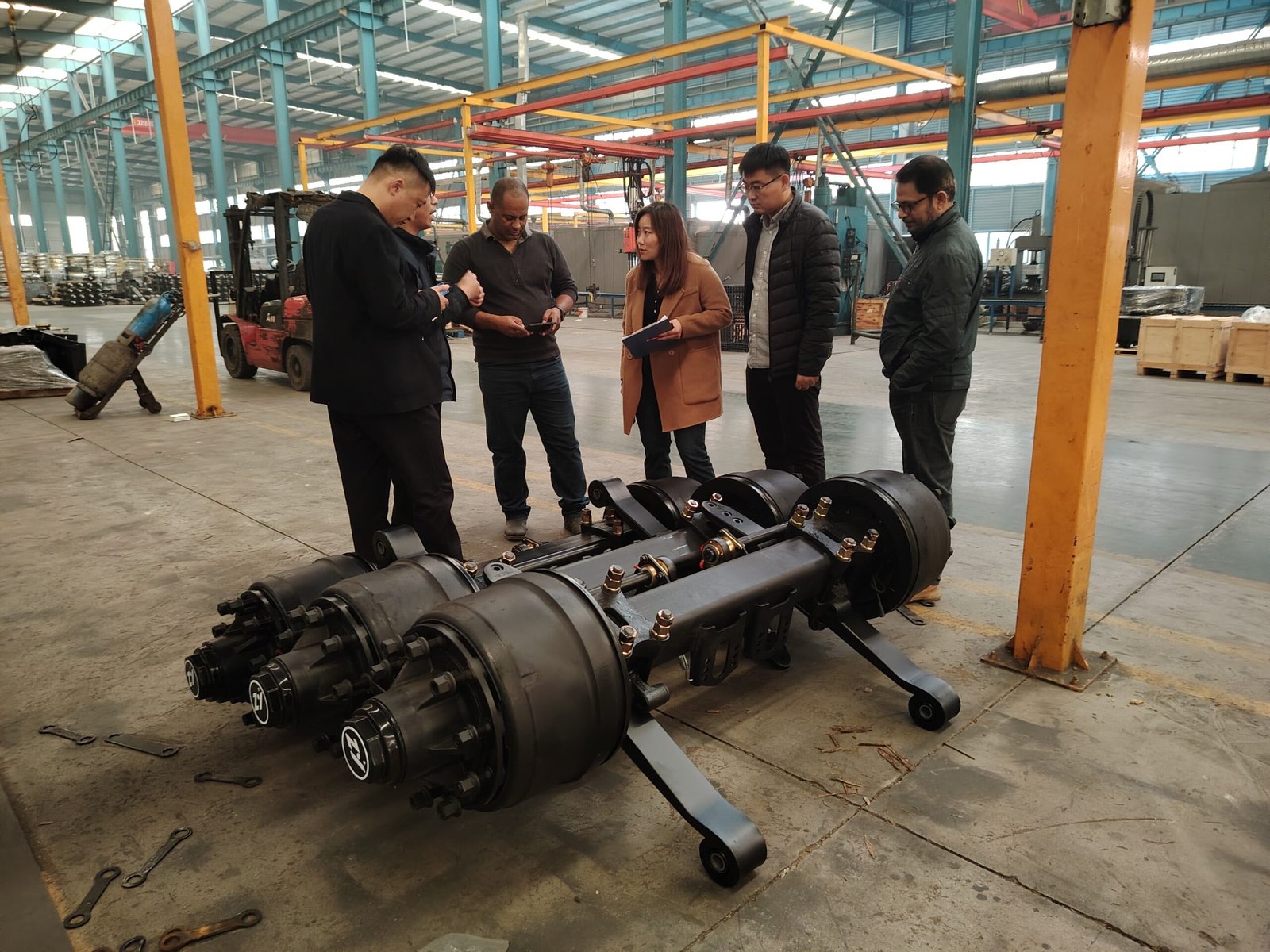
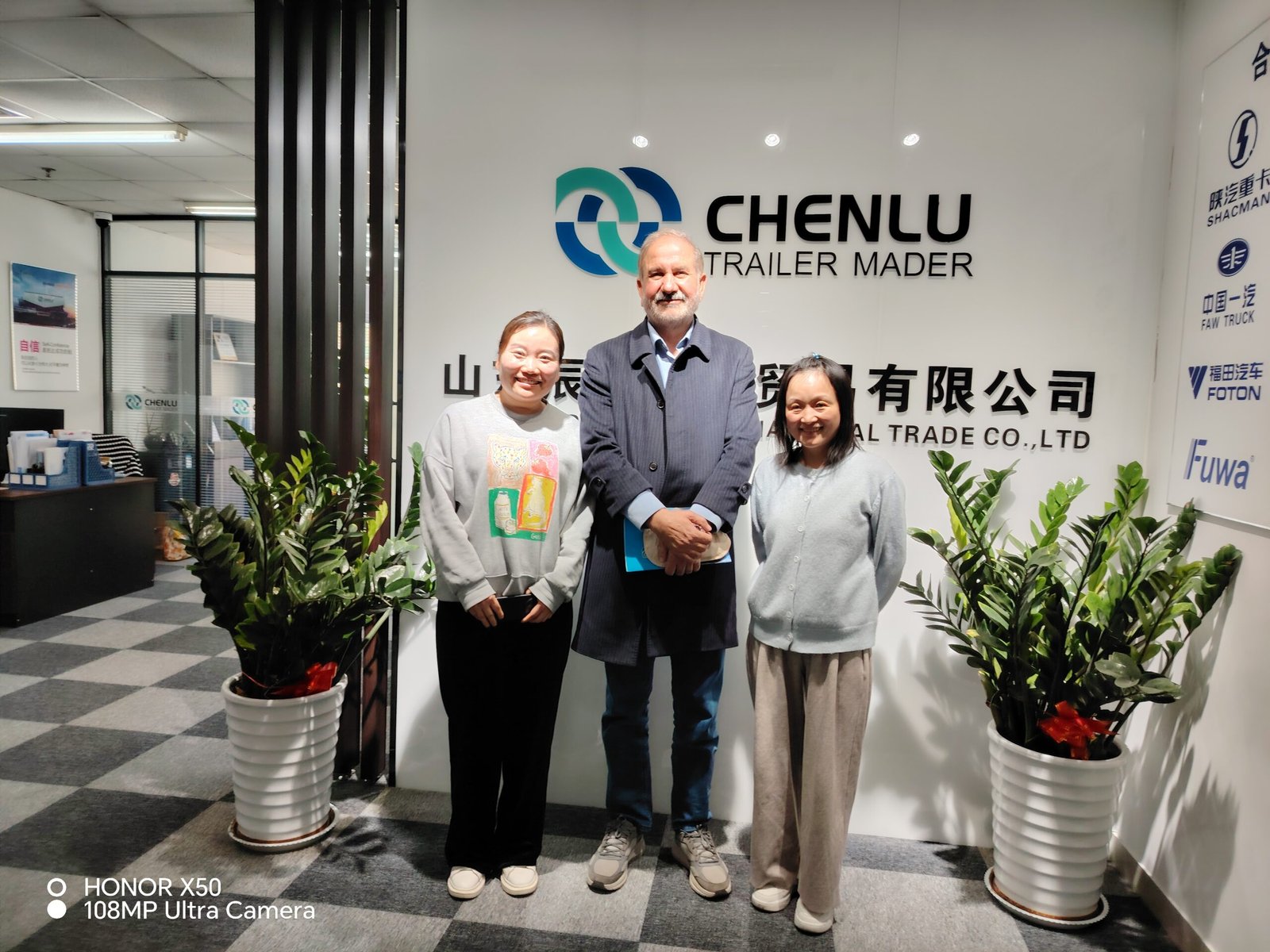
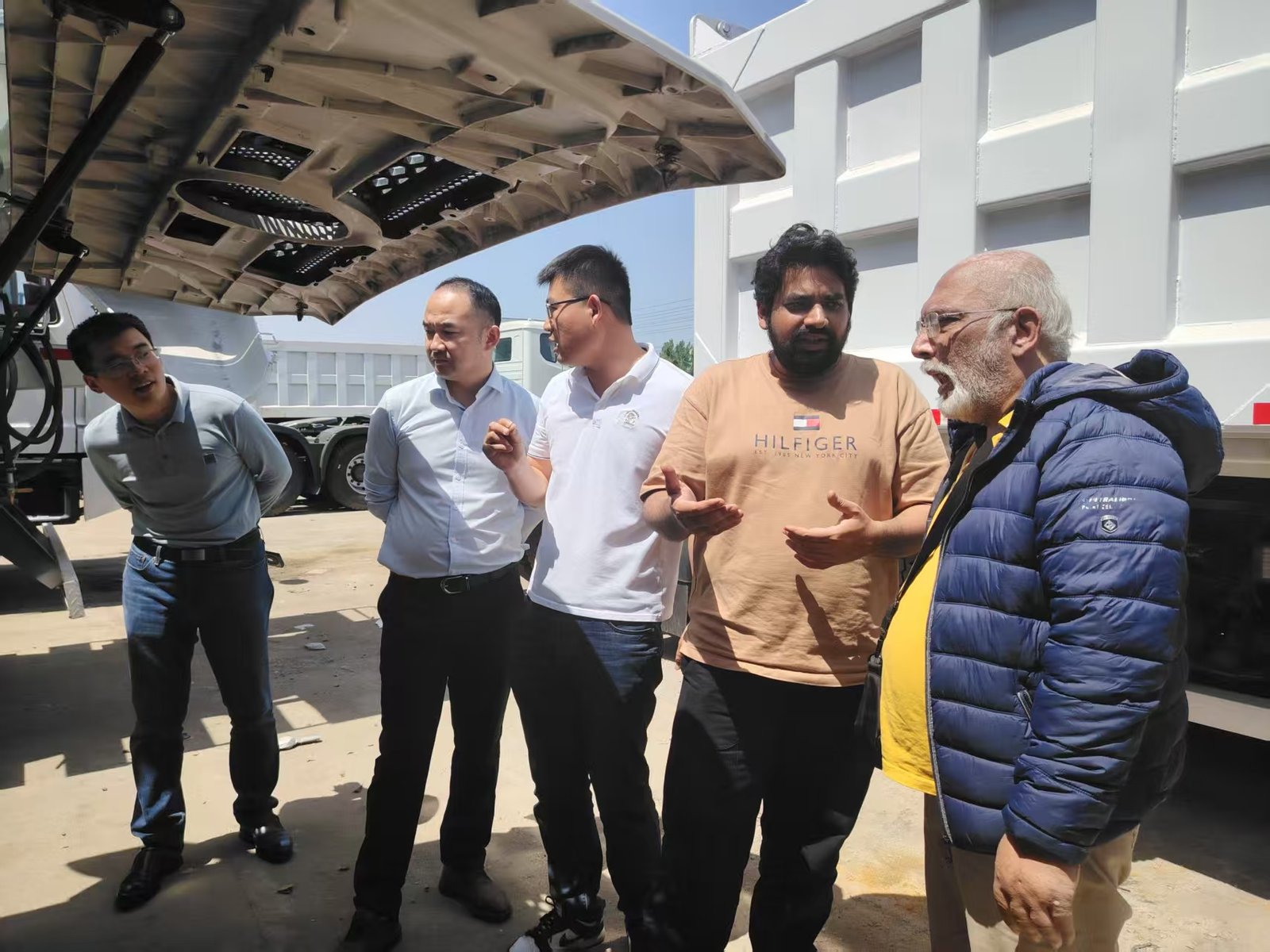
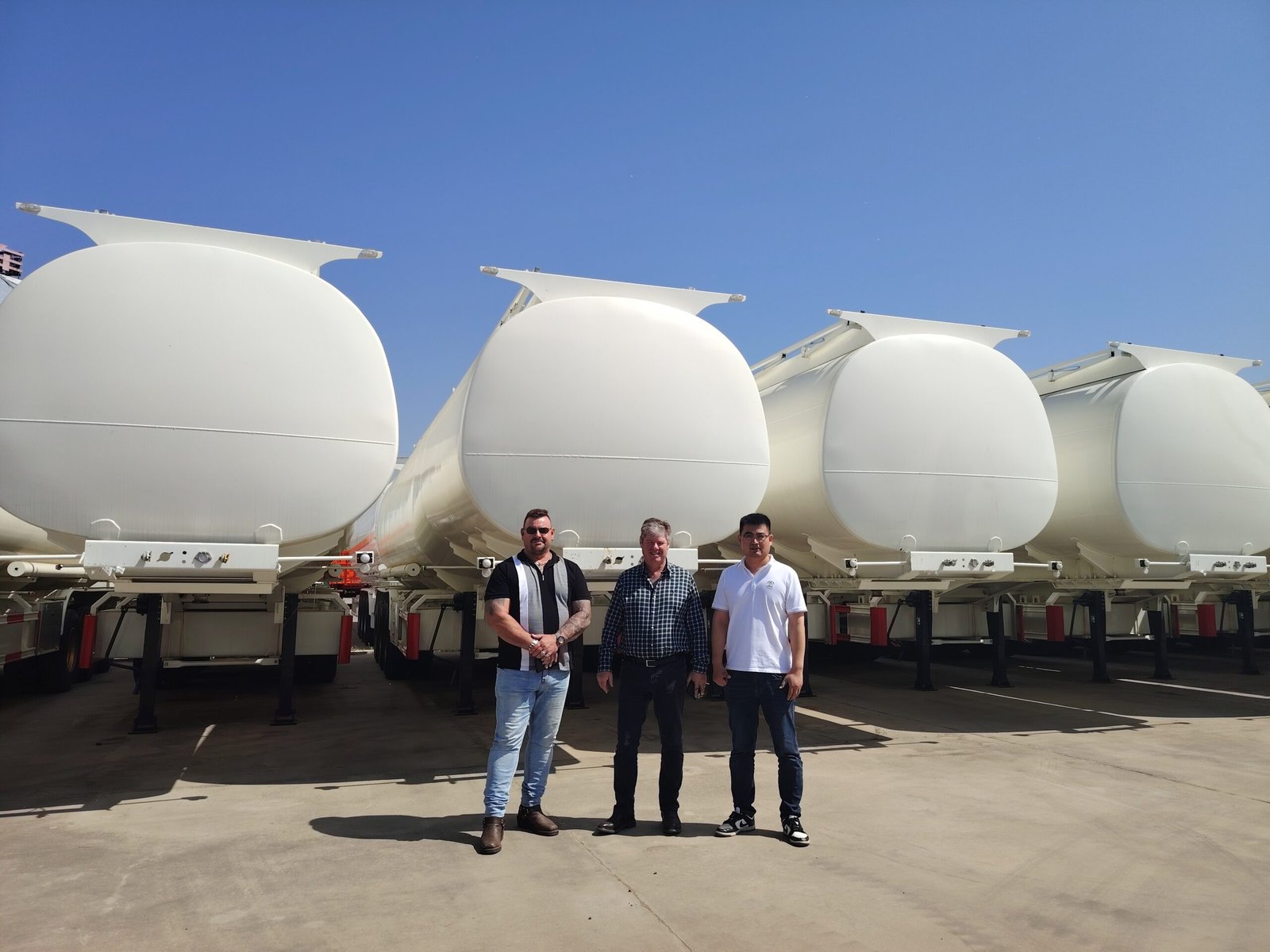
Meet Chenlu and Review the Manufacturing Process
Customer visits support direct communication between buyers, engineering teams and the manufacturing department before the final configuration is confirmed.


Follow the Project from Delivery to Customer Feedback
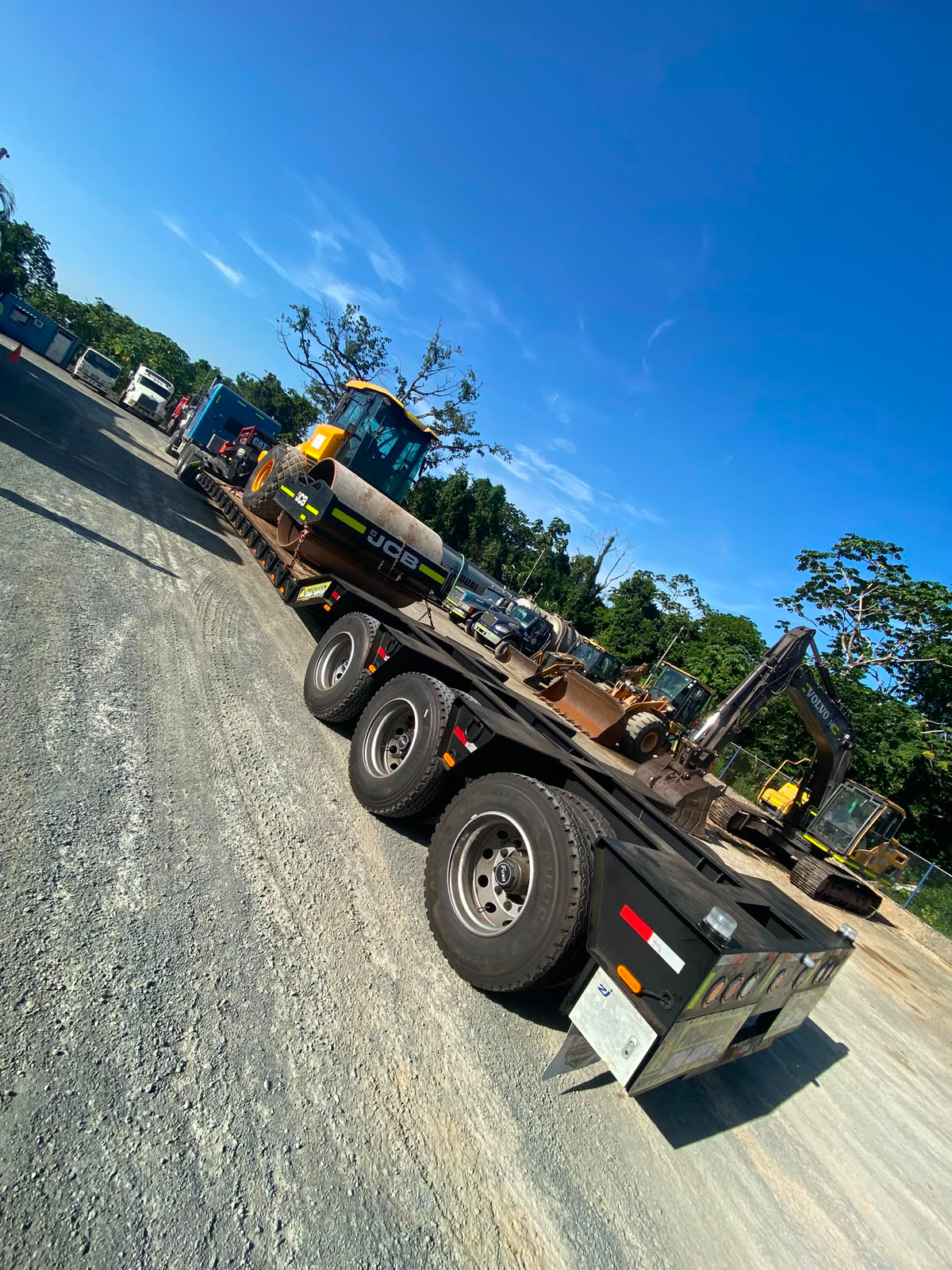
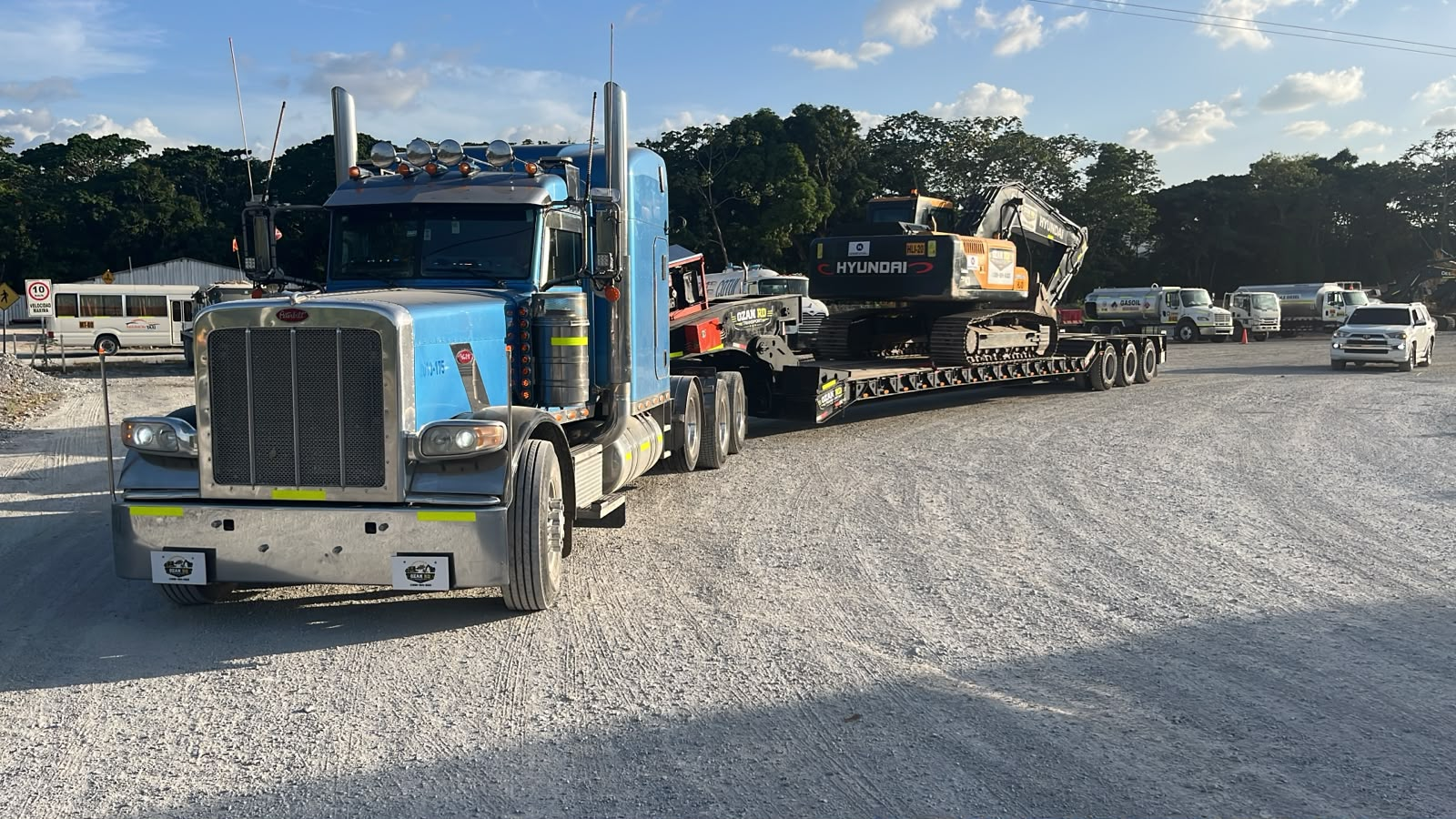
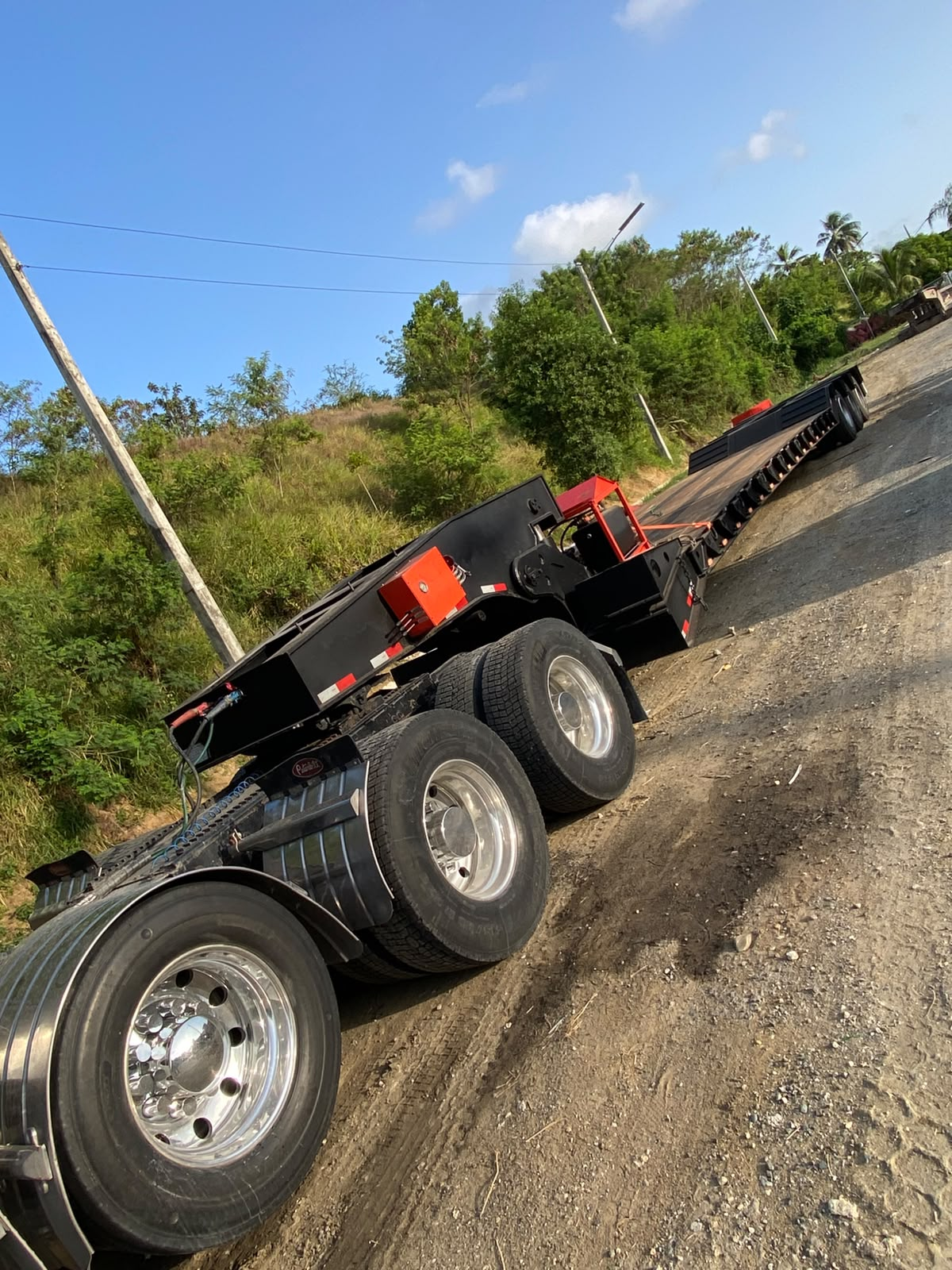
Use approved delivery photos, project records and customer comments to present the completed communication and delivery process.
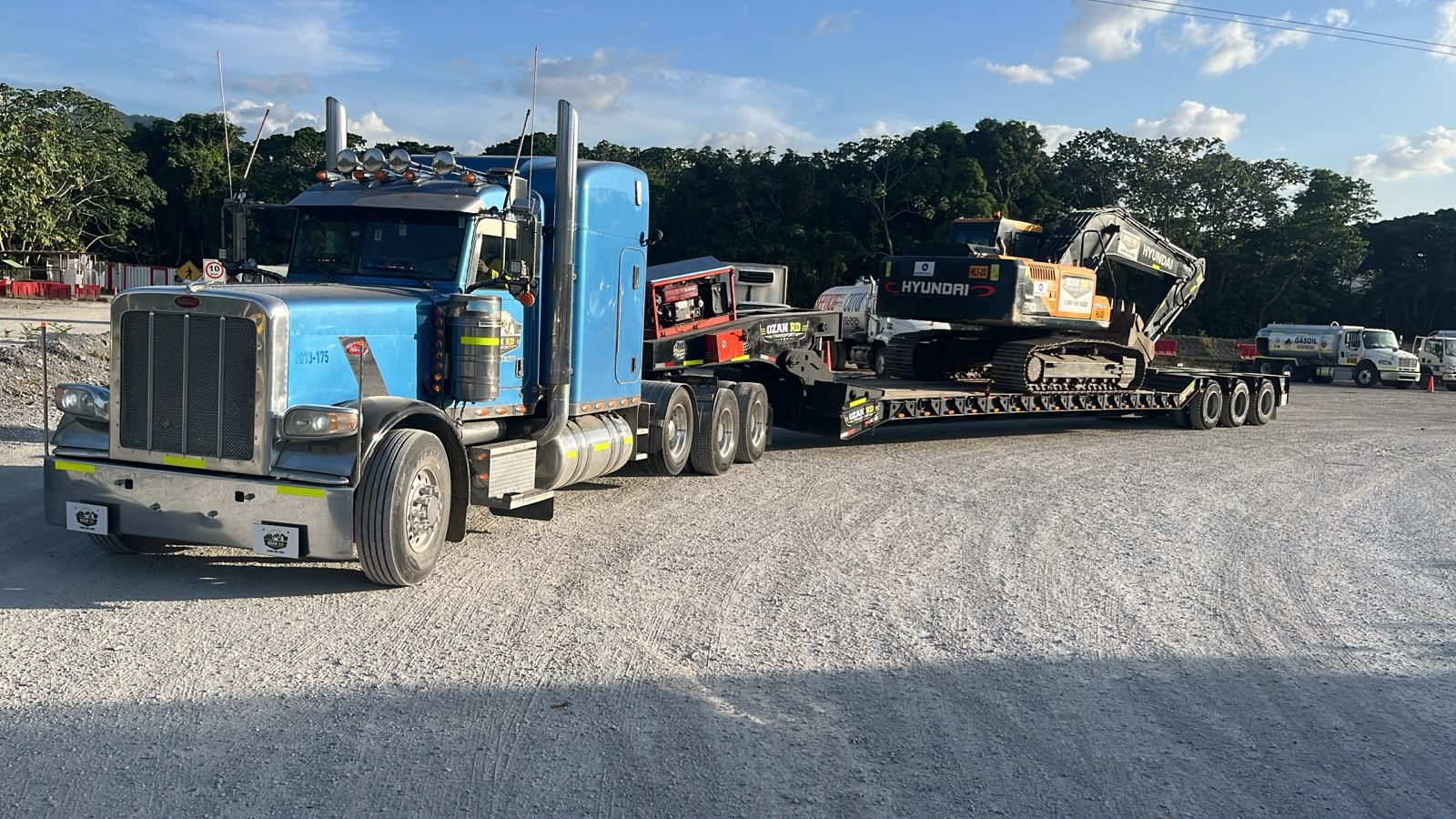

Publish the Original Customer Message with Permission
Add an approved customer comment, delivery record or project feedback here after the customer confirms the wording and image usage.
Approved delivery photo or project record.
Original customer message with permission.
Approved feedback about communication and support.
Related Products
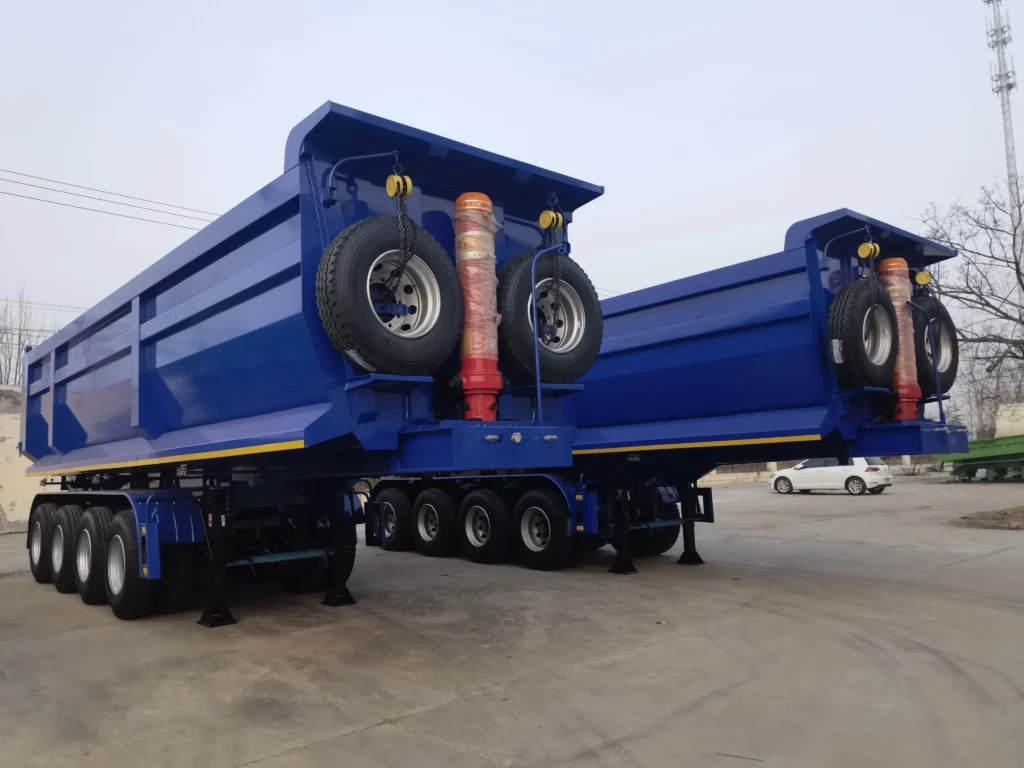
Tipper / Dump Trailer
100 Ton 4 Axle Rear Dump Semi Trailer with Air Suspension
View Product ↗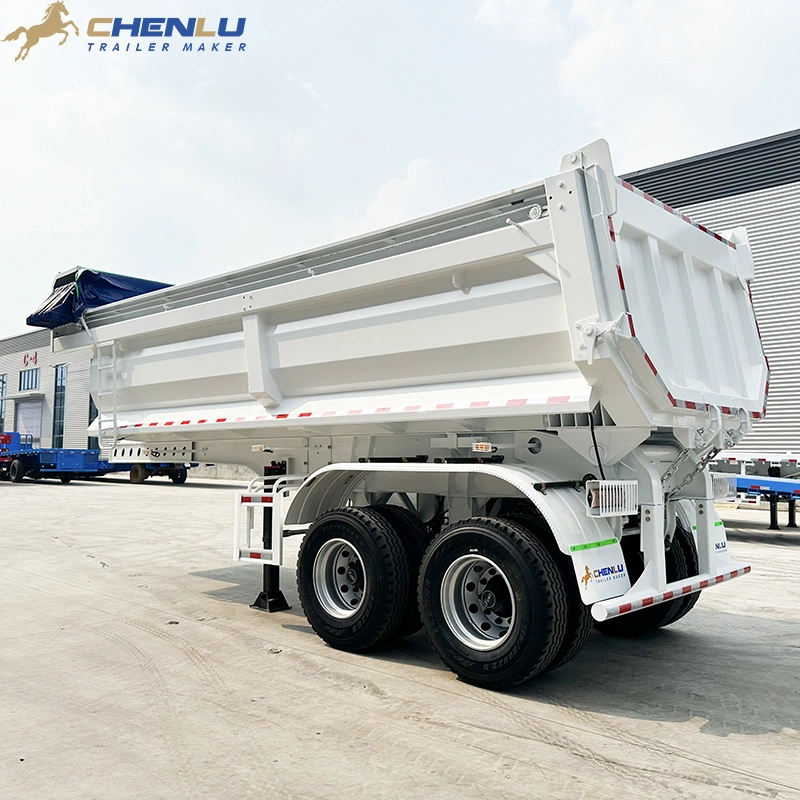
Tipper / Dump Trailer
2 Axle Rear Dump Semi Trailer
View Product ↗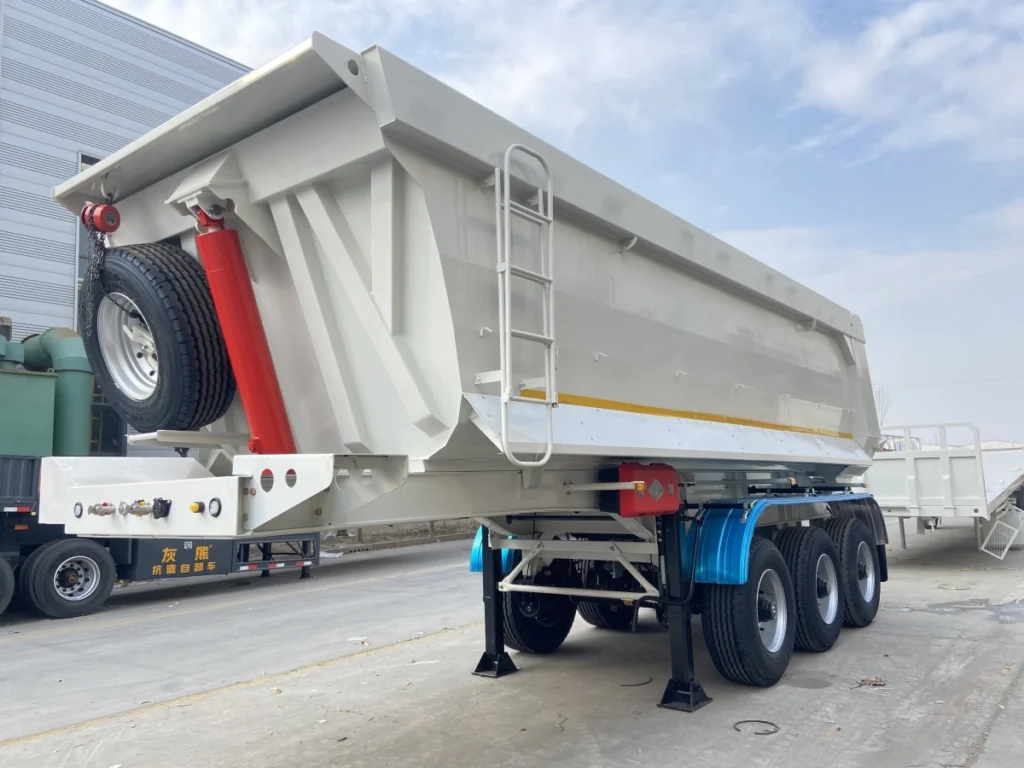
Tipper / Dump Trailer
3 Axle Rear Dump Semi Trailer for Saudi Arabia | CHENLU
View Product ↗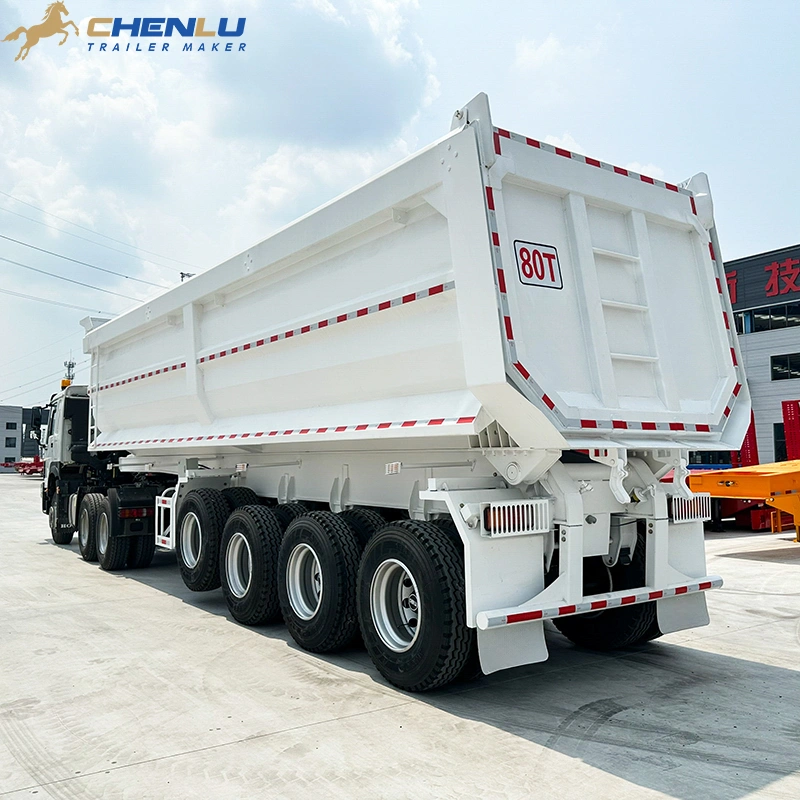
Tipper / Dump Trailer
4 Axle 80-Ton High-Side Rear Dump Semi Trailer
View Product ↗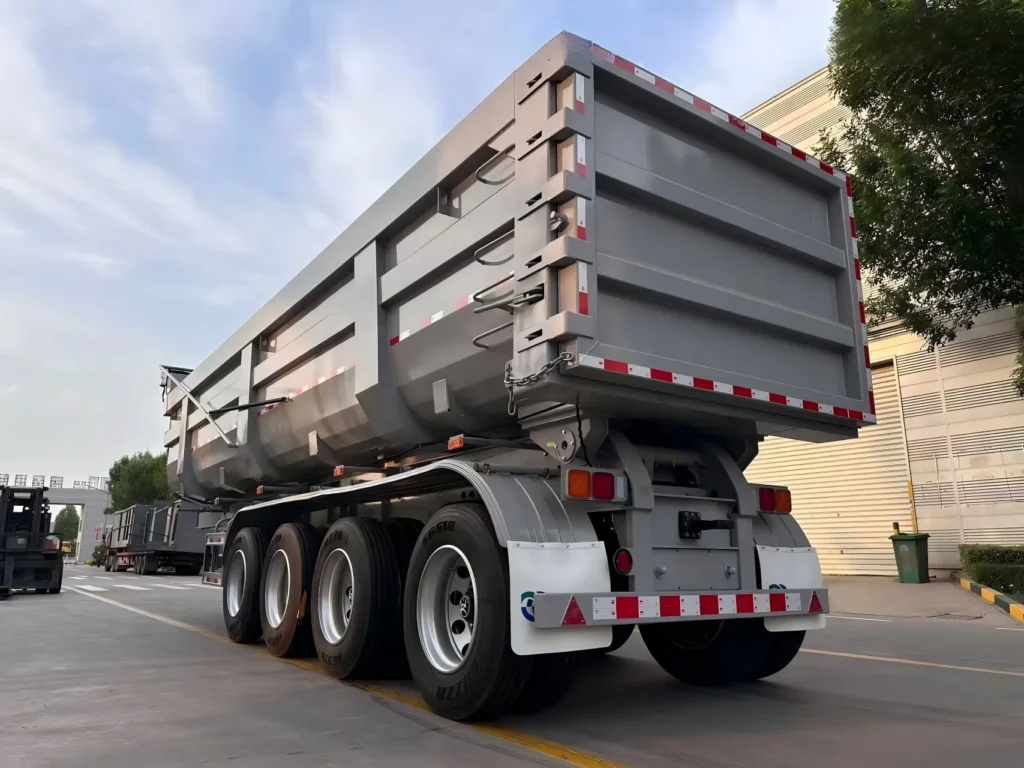
Tipper / Dump Trailer
4 Axle Rear Dump Semi Trailer South America
View Product ↗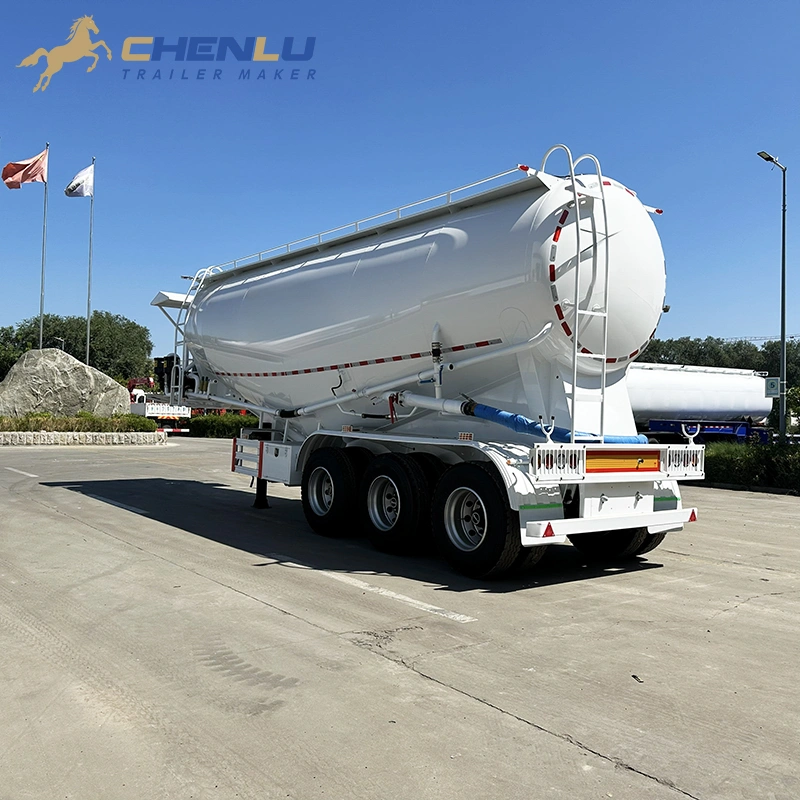
Bulk Cement Tanker