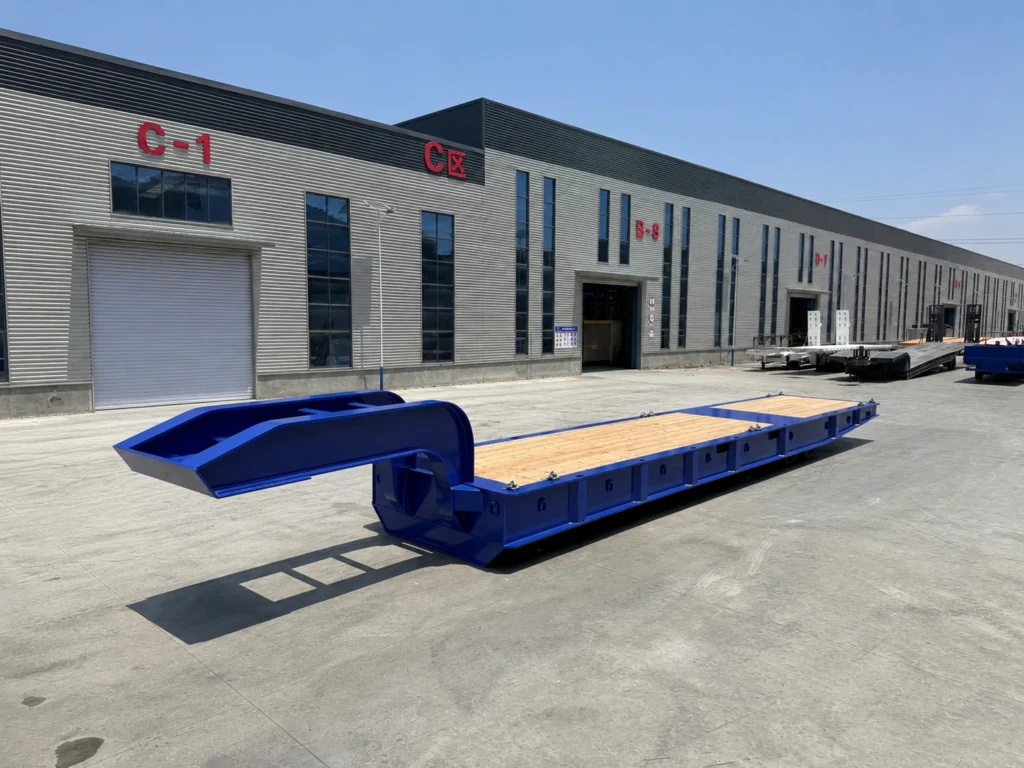
Front-Loading Heavy Equipment
Removable Gooseneck Trailers
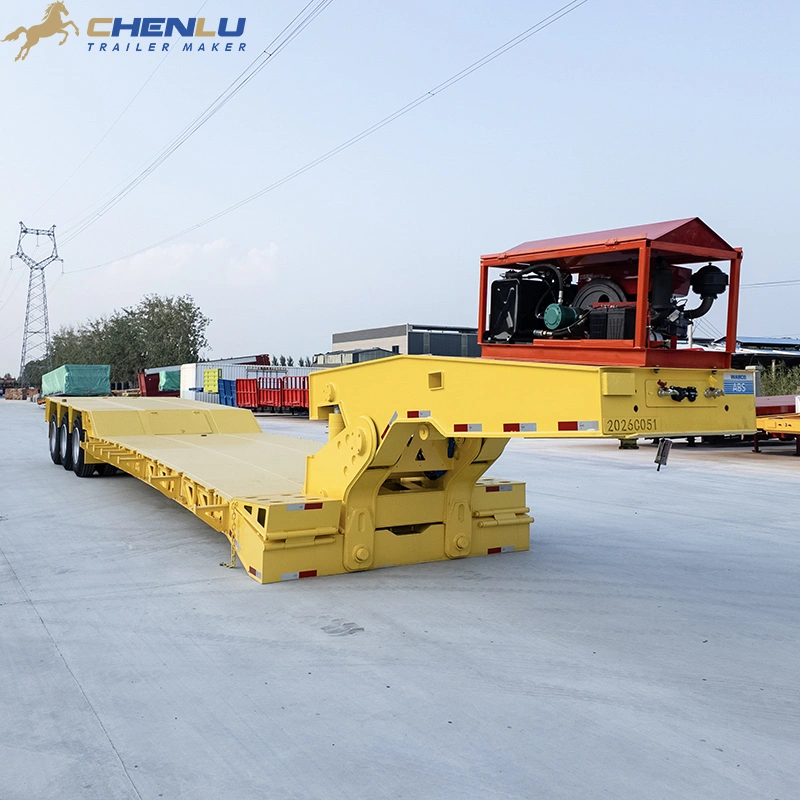
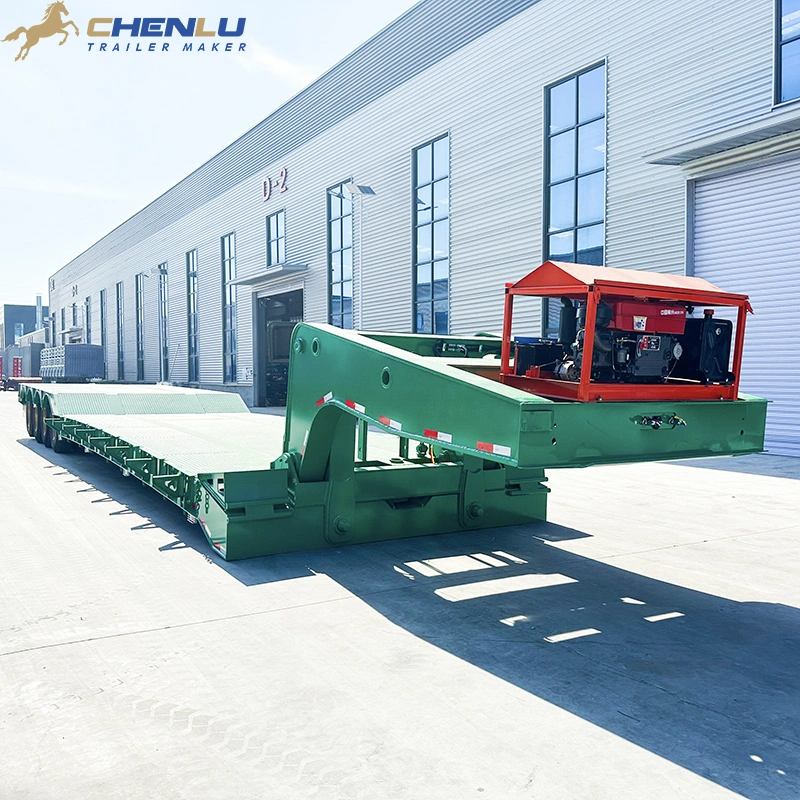
Used for excavators, dozers and other heavy equipment, a removable gooseneck (RGN) trailer separates at the front so suitable machines can move onto the main deck from the front. CHENLU matches the deck, neck and running gear to the machine dimensions, operating weight, ground clearance, tractor and route. The quotation will show the neck connection and loading procedure for the selected model.
Request a Configuration Proposal
Removable gooseneck trailer configuration
Send the machine dimensions, operating weight and ground clearance. Include its loading condition, tractor details, route, destination country and any required standard.
Removable Gooseneck Trailer Models
Explore RGN Trailer Models
RGN Trailer Selection
When should you choose a removable gooseneck trailer?
An RGN is chosen for its loading path. Once the front neck is removed, suitable self-propelled machinery can approach the main deck from the front. That advantage matters only when the machine, its ground clearance and the loading site support the same procedure.
The machine can move under its own power and a front approach is more practical than the available rear-ramp or lifting method.
Rear ramps or site lifting equipment already provide a workable loading path, so a removable front may not be needed for the normal job.
Make sure the site can support front loading
Removing the neck turns the front of the main deck into the loading end. Check the working space ahead of the trailer, the site surface and the neck-support arrangement for the quoted model. Do not assume every RGN uses the same release or reconnect method.
Record the machine in its transport condition
Send the overall dimensions with the bucket, blade, boom, counterweight or other attachments in the position used for transport. Track or wheel spacing, wheelbase, overhangs and the lowest undercarriage clearance also affect how the machine meets the deck.
Place the machine before choosing the axle layout
The operating weight must include attachments carried on the machine or on the same trailer. Its centre of gravity and concentrated track or wheel loads affect where it should sit. Deck support, tractor load and running gear must be reviewed together; axle count alone does not confirm a suitable rating.
Check the complete loaded combination
Record the tractor model and fifth-wheel height, then review loaded height, overall width, ground clearance and turning space. Destination-country axle rules, route restrictions and permit requirements must be checked against the selected layout.
For a useful proposal, send CHENLU the machine make and model, transport dimensions, operating weight, attachments, track or wheel spacing, ground clearance, loading-site photos, tractor details, route and destination. The quotation and drawing should identify the model-specific neck, deck and running-gear arrangement.
Buyer FAQ
What should you confirm before ordering an RGN trailer?
What does RGN mean on a semi-trailer?
What is the difference between an RGN and a fixed-neck lowbed?
Can any excavator or dozer be loaded from the front?
Does every removable gooseneck trailer use hydraulics?
Is a removable gooseneck trailer always extendable?
How are the axle layout and load rating selected?
What information does CHENLU need for an RGN trailer quotation?
Related Products
Low Bed Trailer
2-Axle Fixed Gooseneck Lowbed Trailer
View Product ↗
Flatbed Semi Trailer
3 Axle Flatbed Semi Trailer for Nigeria
View Product ↗
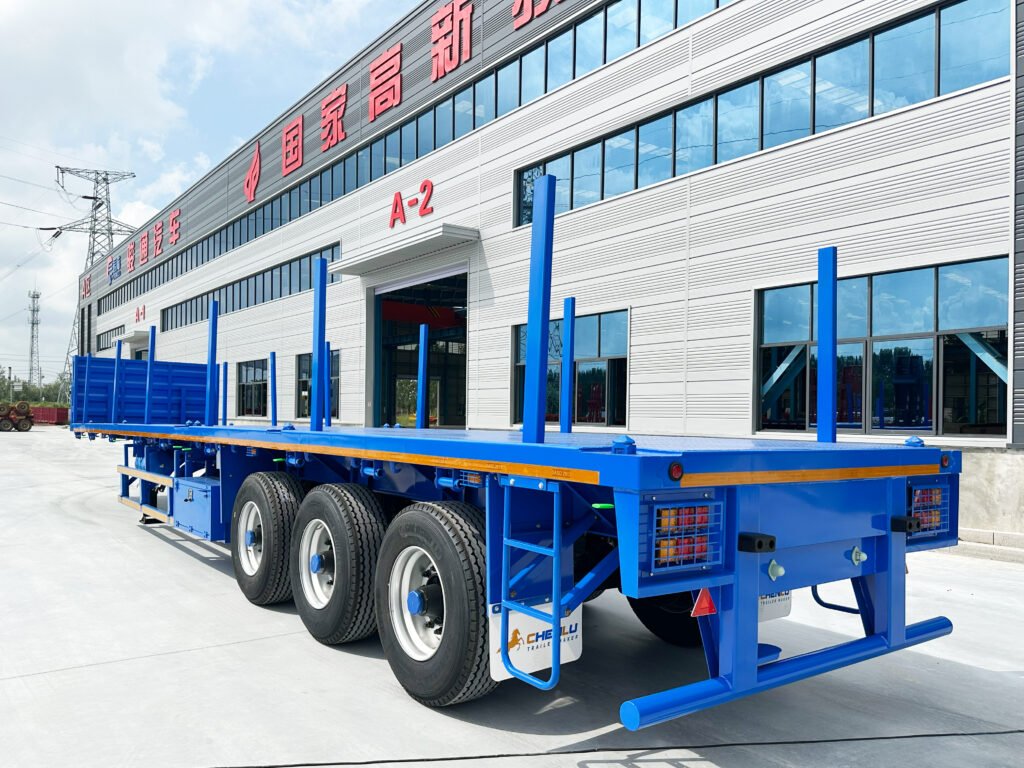
Flatbed Semi Trailer
3 Axle Flatbed Semi Trailer for Saudi Arabia
View Product ↗
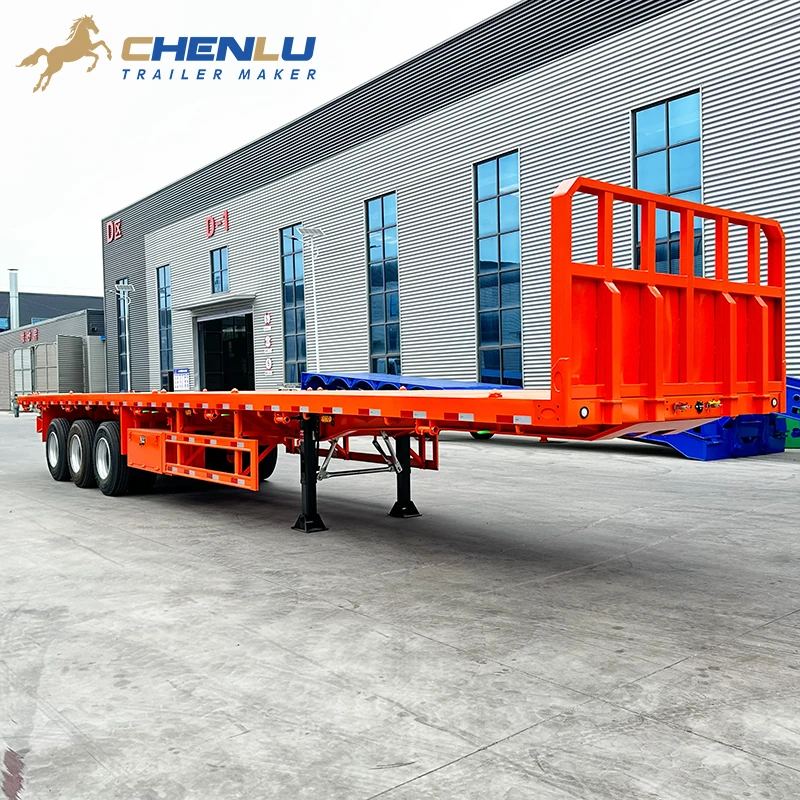
Flatbed Semi Trailer