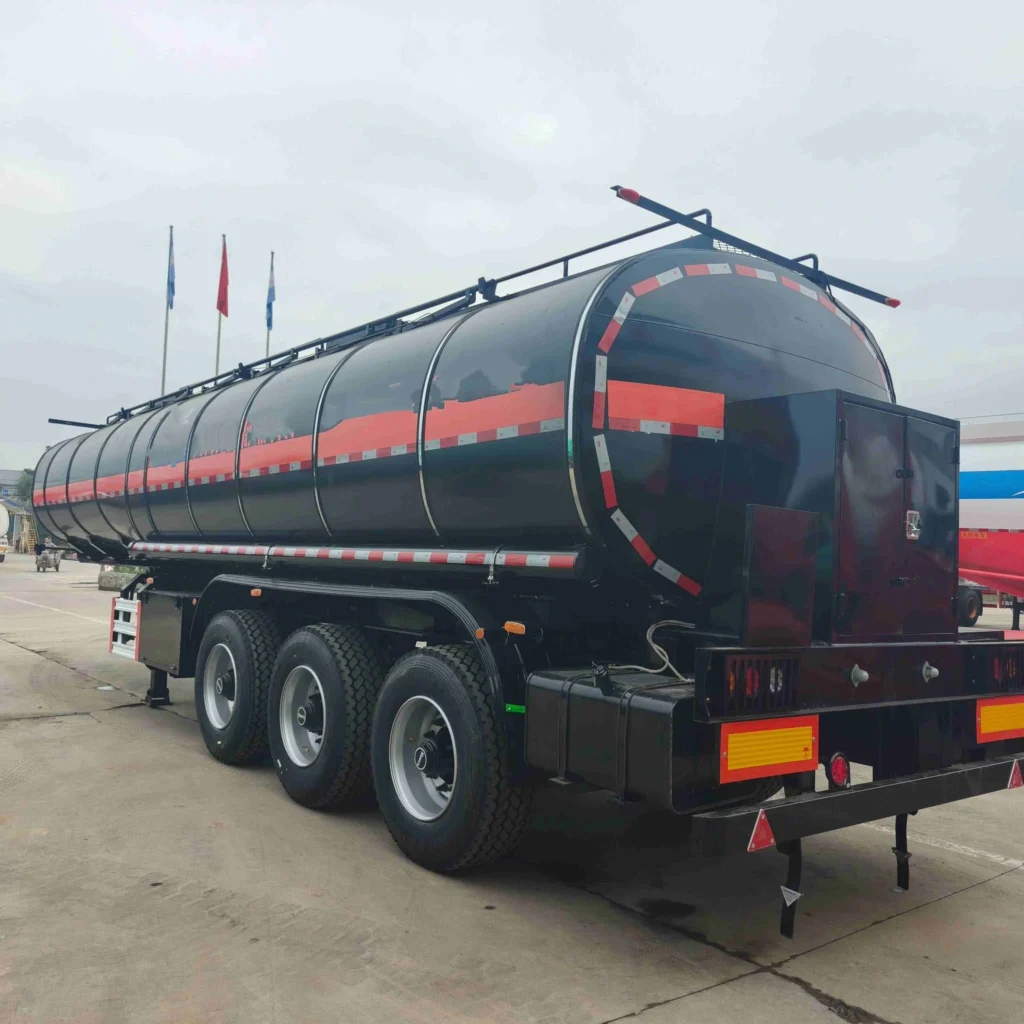
Liquid Tanker Collection

Liquid Tanker Trailers

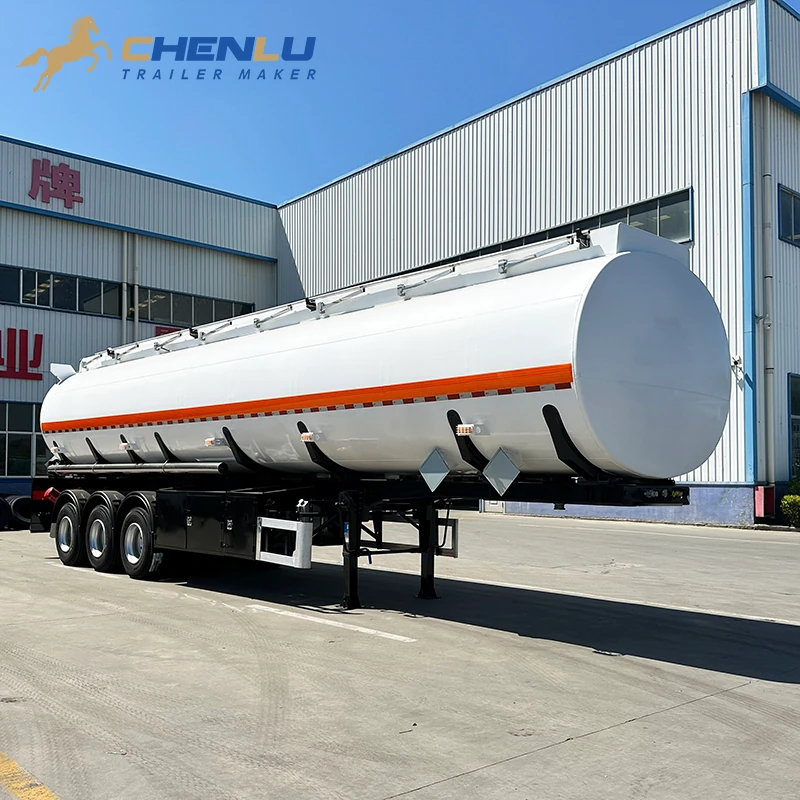
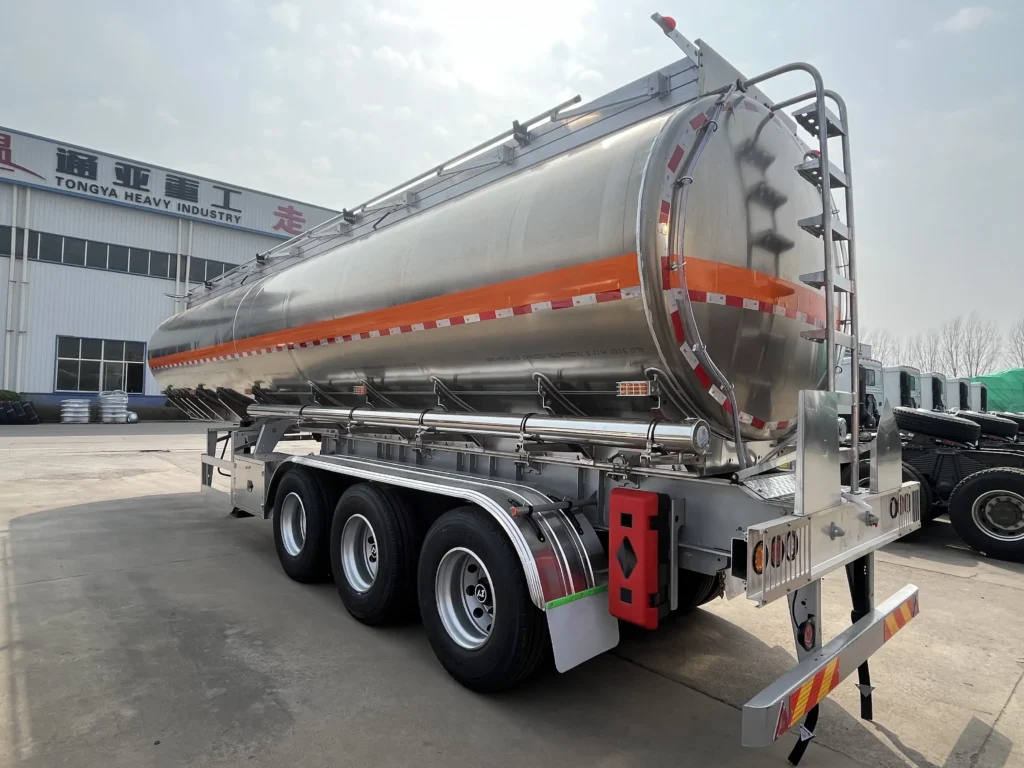
Diesel, petrol and asphalt do not use one universal tank. A fuel tanker is arranged around compatible petroleum cargo and its delivery route. An aluminum fuel tanker uses a lower-density tank material where trailer tare and payload margin matter. An asphalt tank trailer adds thermal insulation and may use heating to keep bitumen workable during transport and discharge. CHENLU groups these three tanker types here so the liquid, operating temperature, tank material and unloading method can be compared first.
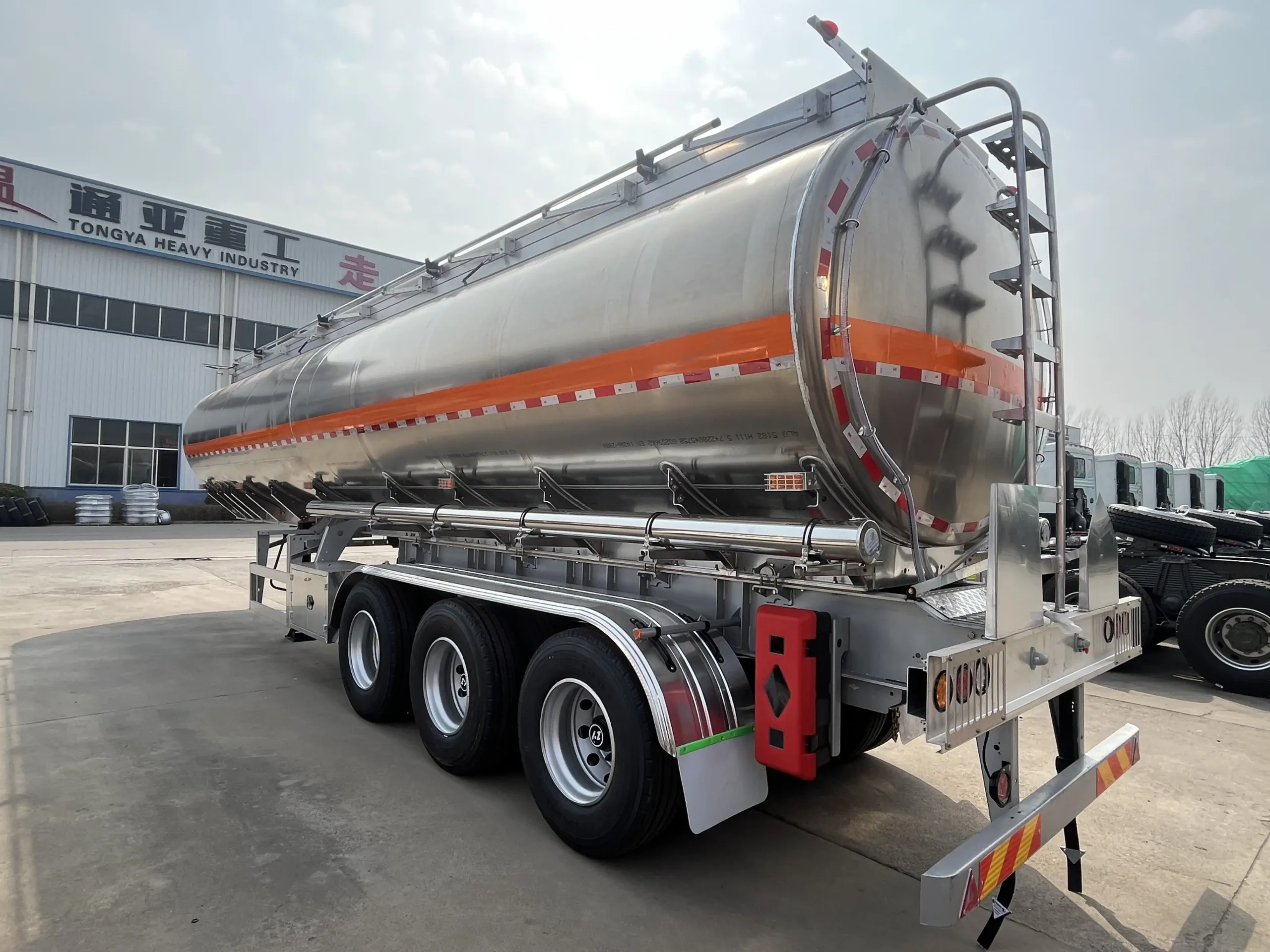
CHENLU fuel, aluminum fuel and insulated asphalt tanker trailers
Fuel, aluminum and insulated asphalt tanks for different liquid-transport work

Tanker Type Comparison

How do asphalt, steel fuel and aluminum fuel tankers differ?

These trailers may look similar from a distance, but they are built around different jobs. Asphalt transport starts with heat retention. A fuel tanker starts with the petroleum product and delivery sequence. Aluminum changes the weight and maintenance trade-off of the fuel-tank design.

01 / Temperature-managed cargo

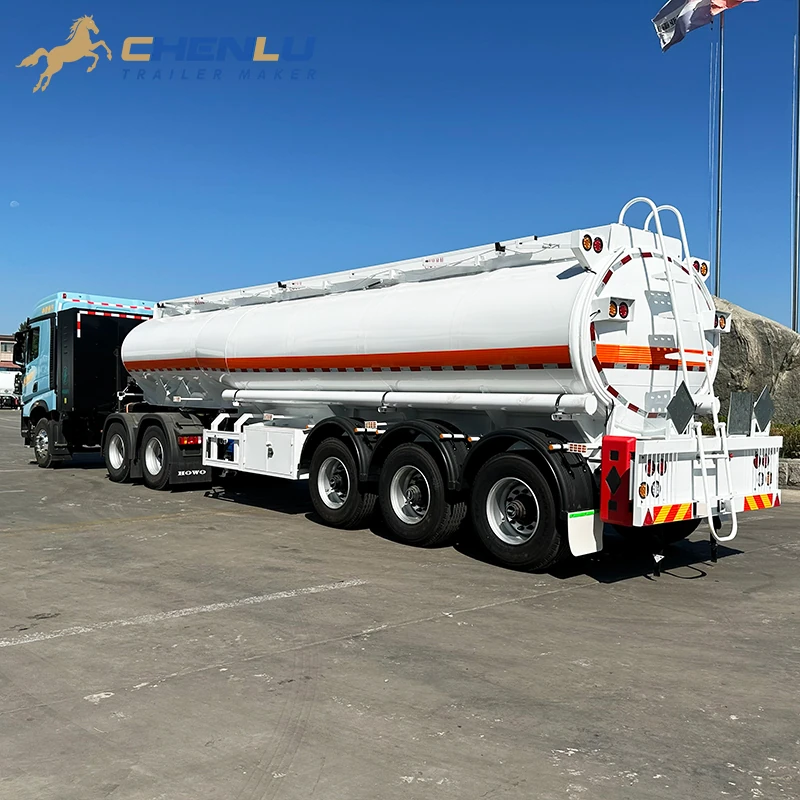
Asphalt Tank Trailer

Built to keep liquid asphalt workable between the terminal and the discharge point.

Liquid asphalt thickens as it loses heat. The insulation, outer jacket, piping and unloading arrangement therefore have to work as one system. Heating may also be fitted where the product, journey time and operating procedure require it.

Main advantage
Insulation slows heat loss so the cargo remains easier to pump or discharge on arrival.
What changes the specification
Bitumen grade, loading and discharge temperatures, journey time, ambient conditions and the receiving plant.
Practical limit
It is specialized hot-product equipment. Tank dryness, cargo compatibility, cleaning and safe heating procedures cannot be treated like ordinary fuel work.

02 / Petroleum delivery

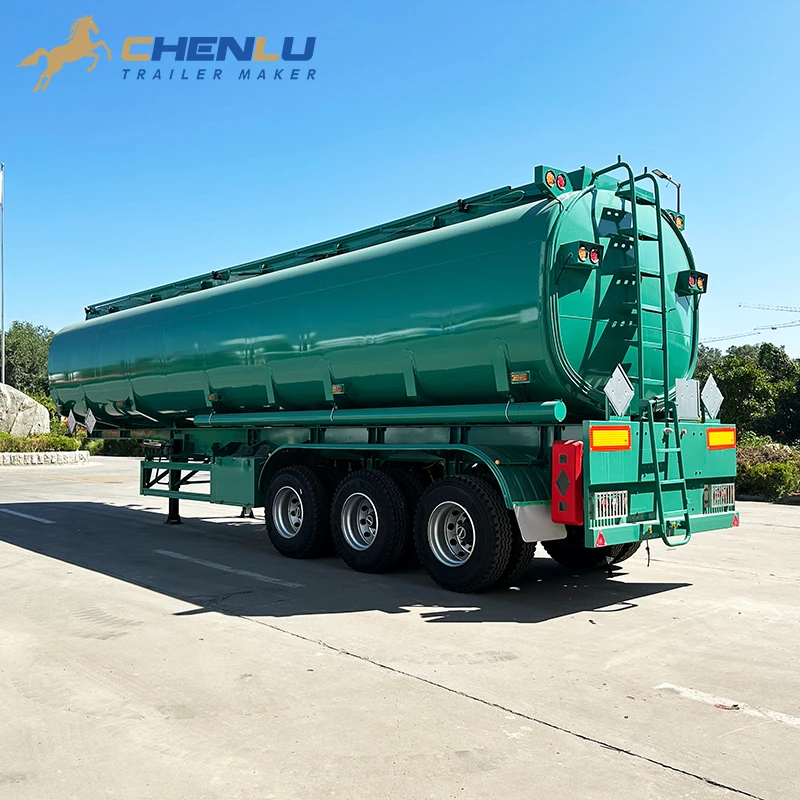
Carbon-Steel Fuel Tanker

A practical route for compatible petrol and diesel work where steel service support is readily available.

Fuel delivery is often planned around separate product grades and more than one drop. That puts the compartment split, loading system, discharge outlets and delivery order ahead of headline tank volume. The tank material is only one part of the decision.

Main advantage
Carbon steel can suit fleets that already have suitable steel fabrication and repair support in their operating area.
What changes the specification
Exact fuel, product density, compartment volumes, loading standard, drop sequence and local gross-weight rules.
Practical limit
Steel is denser than aluminum, so a comparable design will generally leave less tare-weight margin. Corrosion protection also needs an active maintenance plan.

03 / Lower-density tank material

Aluminum Fuel Tanker

Chosen when reducing trailer tare can create useful payload margin within a fixed legal gross weight.

Aluminum combines lower material density with good corrosion resistance. In a properly engineered fuel tanker this can reduce empty weight, but it does not guarantee a fixed payload increase: the complete trailer, axle loads and route limits still decide the result.

Main advantage
Lower tank weight can leave more of the permitted gross weight available for compatible petroleum cargo.
What changes the specification
Liquid compatibility, compartment plan, complete tare, axle-load distribution, loading method and delivery equipment.
Practical limit
Aluminum fabrication and collision repair require the right welding process, contamination control and local technical support.

Fuel Tank Material Comparison

Carbon steel vs. aluminum fuel tanker trailers

Compare two finished tankers built for the same fuel, compartment volumes, loading system, axle layout and destination. Without that common baseline, a material comparison says very little about usable payload or day-to-day operation.

Why is the asphalt tanker not included here? An asphalt tank trailer is selected first by product temperature, insulation and unloading method. Steel versus aluminum is a secondary question after the hot-product system has been defined.

Compare
Carbon-Steel Fuel Tanker Conventional steel tank construction
Aluminum Fuel Tanker Lower-density tank material
Complete tanker tare
Carbon steel Steel’s higher material density generally produces more tank mass in a comparable design. Check the completed trailer tare rather than the tank shell weight alone.
Aluminum Aluminum can reduce completed trailer tare. The useful difference is the payload margin left after tractor weight, axle distribution and route limits are applied.
Fuel and corrosion control
Carbon steel Confirm the exact petroleum product and required internal treatment. Exterior finish, water traps and inspection need a defined maintenance plan for the operating climate.
Aluminum Aluminum offers good corrosion resistance, but it is not maintenance-free. Fuel additives, fittings, cleaning chemicals and the complete wetted system still need a compatibility check.
Repair support
Carbon steel Conventional heavy-vehicle workshops are more likely to handle steel fabrication. Cargo-tank repairs still require the correct cleaning, inspection and repair procedure.
Aluminum Repair quality depends on aluminum experience, clean preparation and the correct welding process. Confirm suitable local support before the trailer enters service.
Where the choice changes
Carbon steel Carbon steel can remain practical where local steel service is strong and the route does not place a high value on every unit of trailer tare.
Aluminum Aluminum becomes more relevant when the route is weight-limited and a verified reduction in trailer tare creates usable cargo allowance.

Buyer Questions

Liquid tanker trailer FAQ

These answers cover the first decisions buyers face when comparing asphalt tank trailers, fuel tanker trailers and aluminum fuel tankers. Model specifications still need to be checked against the exact liquid, tractor, route and destination rules.

01 What is the difference between an asphalt tanker trailer and a fuel tanker trailer?

An asphalt tanker trailer is built around hot-product transport. Insulation, product temperature and the discharge method are central to its layout. A fuel tanker trailer is arranged around compatible petroleum products, compartment volumes, loading connections and the delivery sequence. The two categories should not be treated as interchangeable.

02 Why are asphalt tank trailers insulated?

Insulation slows heat loss while liquid asphalt travels from the loading point to the receiving plant. As the product cools, it can become harder to pump and discharge. The required insulation and any heating arrangement depend on the asphalt grade, journey time, ambient conditions and unloading procedure.

03 Can petrol and diesel be carried in the same fuel tanker trailer?

They may be carried in separate compartments when the tank, piping, valves and operating rules are approved for both products. Each compartment must be assigned to the correct fuel grade and delivery stop. The loading plan and discharge connections also need controls that prevent one product from entering the wrong compartment or receiving tank.

04 How should fuel tanker compartments be sized?

Start with the required volume of each fuel grade at each delivery stop. Then check product density, total cargo mass and axle-load distribution. Equal-sized compartments may look simple on a drawing, but they do not always match the route, loading rack or unloading sequence.

05 Is an aluminum fuel tanker better than a carbon-steel tanker?

Neither material is better for every fleet. Aluminum can reduce trailer tare and offers good corrosion resistance. Carbon steel may suit markets with stronger conventional steel repair support. Compare completed tare, usable payload margin, fuel compatibility, maintenance conditions and qualified local repair capability before choosing.

06 Does stated tank capacity equal the legal fuel payload?

No. Stated capacity describes tank volume. Cargo mass changes with the product density, while permitted payload also depends on required expansion space, tractor and trailer tare, axle limits, gross-weight limits and the approved tank design. A denser product can reach a weight limit before all geometric volume is used.

07 Can one tanker switch between fuel and asphalt service?

Do not assume that it can. The previous cargo, residue, tank material, seals, piping, cleaning method and operating temperature all require review. Hot asphalt also needs strict control of water-bearing residue. Confirm the change of service with the product supplier, terminal, tanker manufacturer and applicable transport authority before loading.

    Get a Quote Now


    Submit your inquiry to receive a precise quote and professional advice for your project.