
CHENLU Studies East Africa’s Semi-Trailer Market and Manufacturing
September 22, 2026
From September 10 to 22, 2026, CHENLU carried out nearly two weeks of market research and technical exchange in East Africa. The team visited semi-trailer manufacturers, walked through active workshops and discussed how trailer design is changing with cargo demand, operating conditions and national transport rules.
During the visit, CHENLU reviewed the production and development of lowbed trailers, tipper semi-trailers, vehicle carriers and other transport equipment. The meetings also led to an agreement to maintain closer technical and commercial cooperation with African manufacturers.
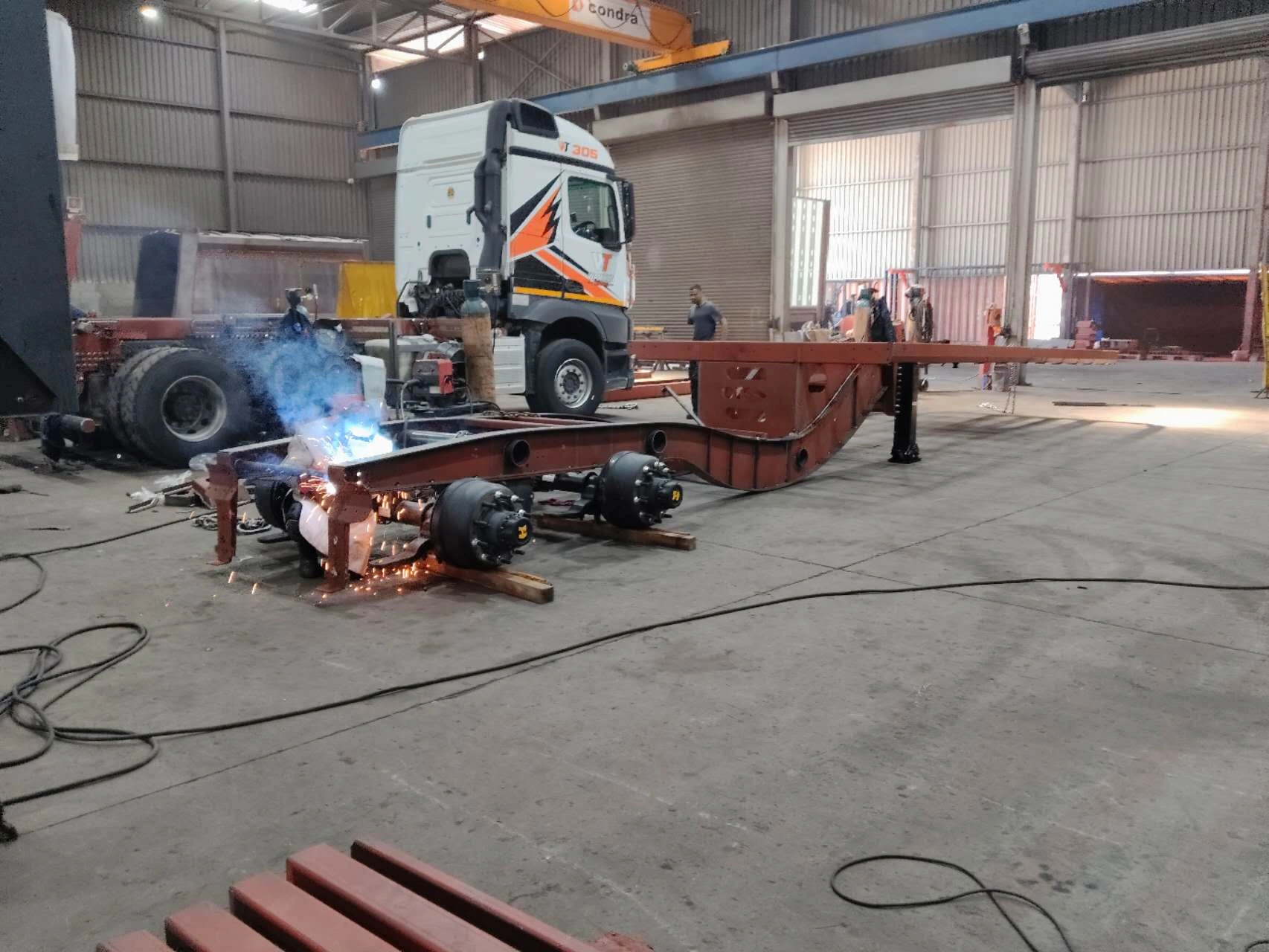
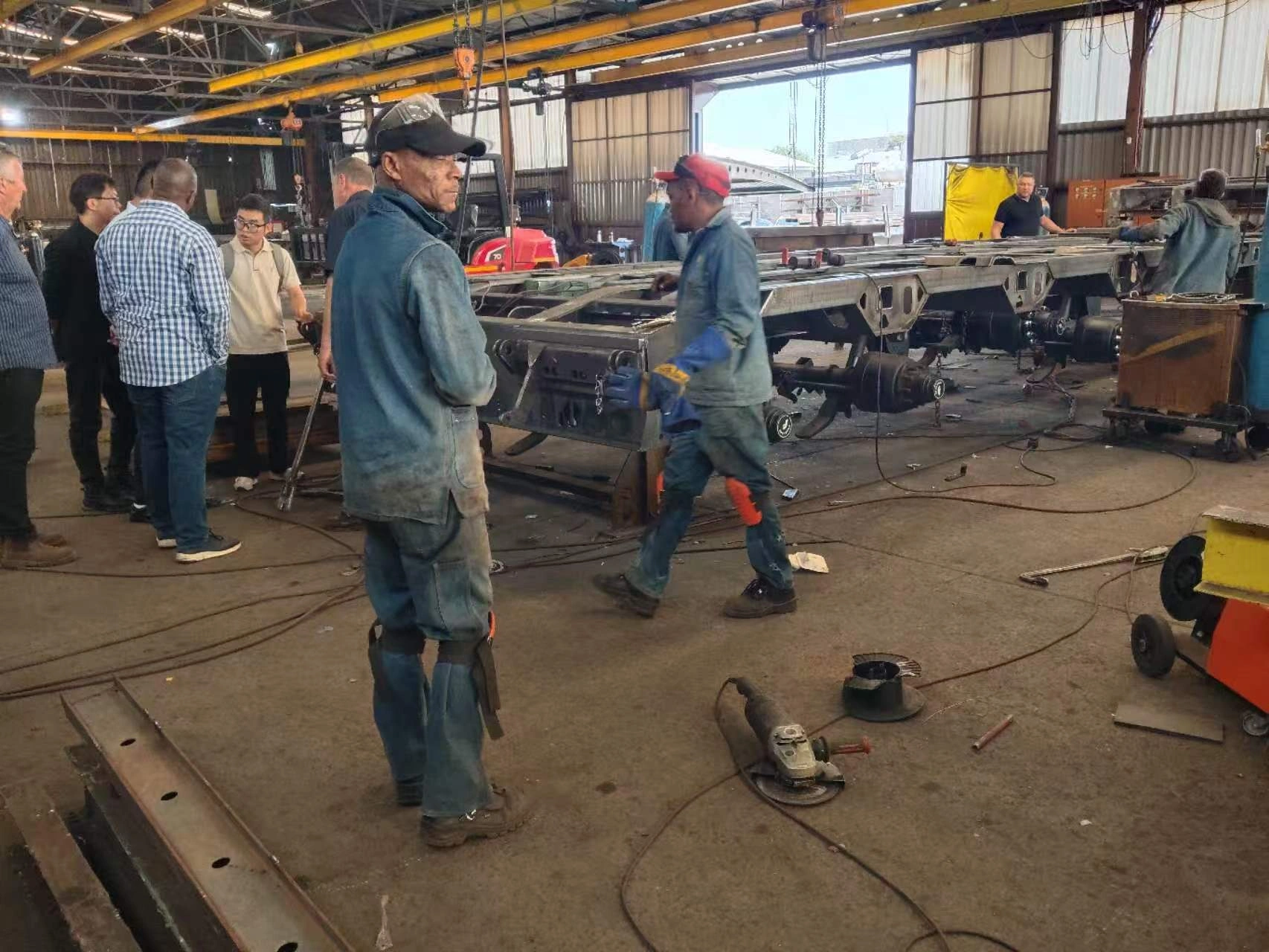
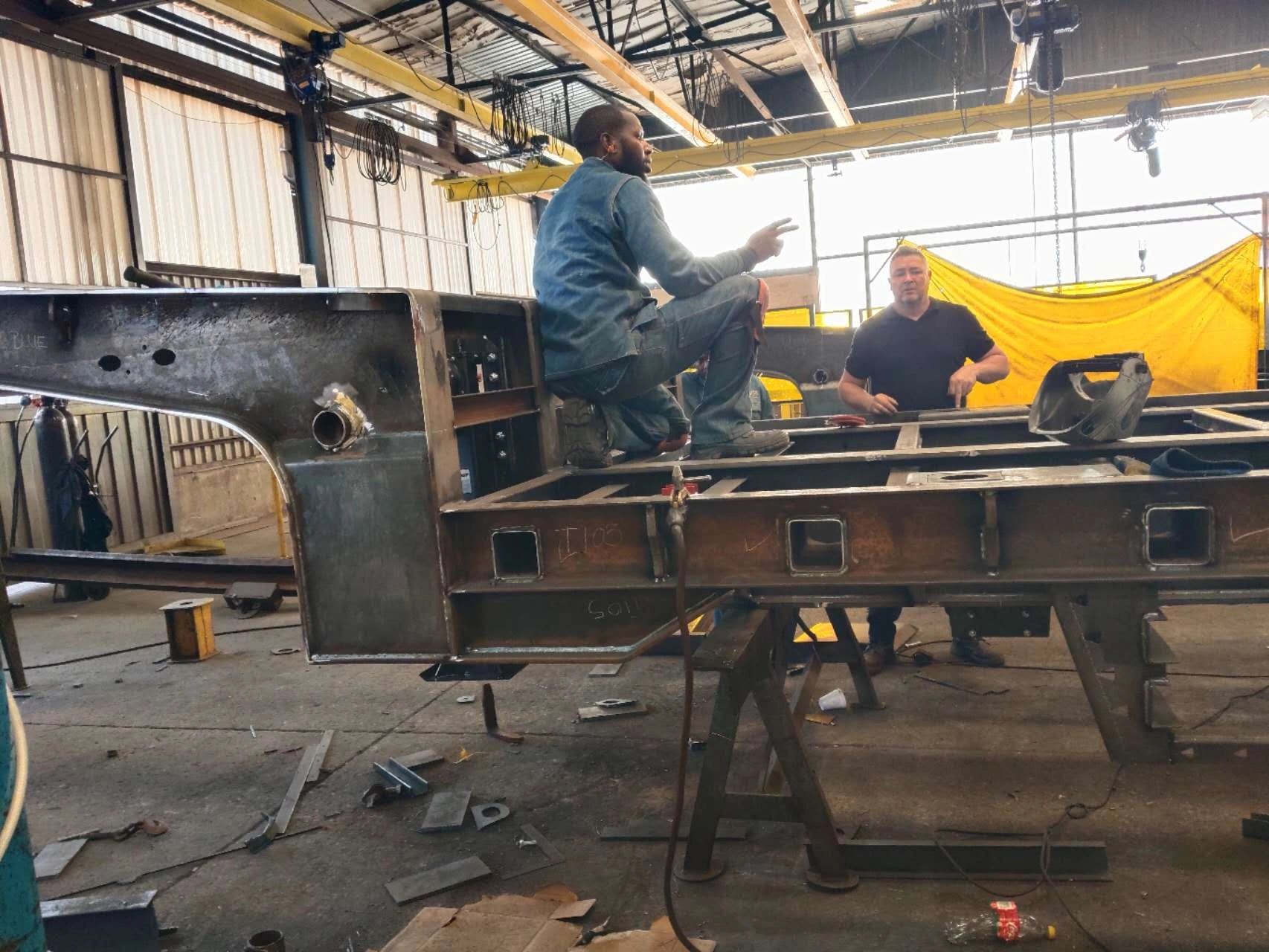
Following the manufacturing process on site
The research focused on production work as well as completed vehicles. The team observed frame assembly, welding, axle installation and hydraulic components at different stages. These discussions showed how workshop capacity, parts availability and maintenance conditions influence design and production decisions.
CHENLU also exchanged views on how production drawings should reflect the cargo, tractor and loading method before fabrication begins. Trailers that appear similar can require different deck, frame, suspension or hydraulic arrangements once the route and daily transport task are defined.
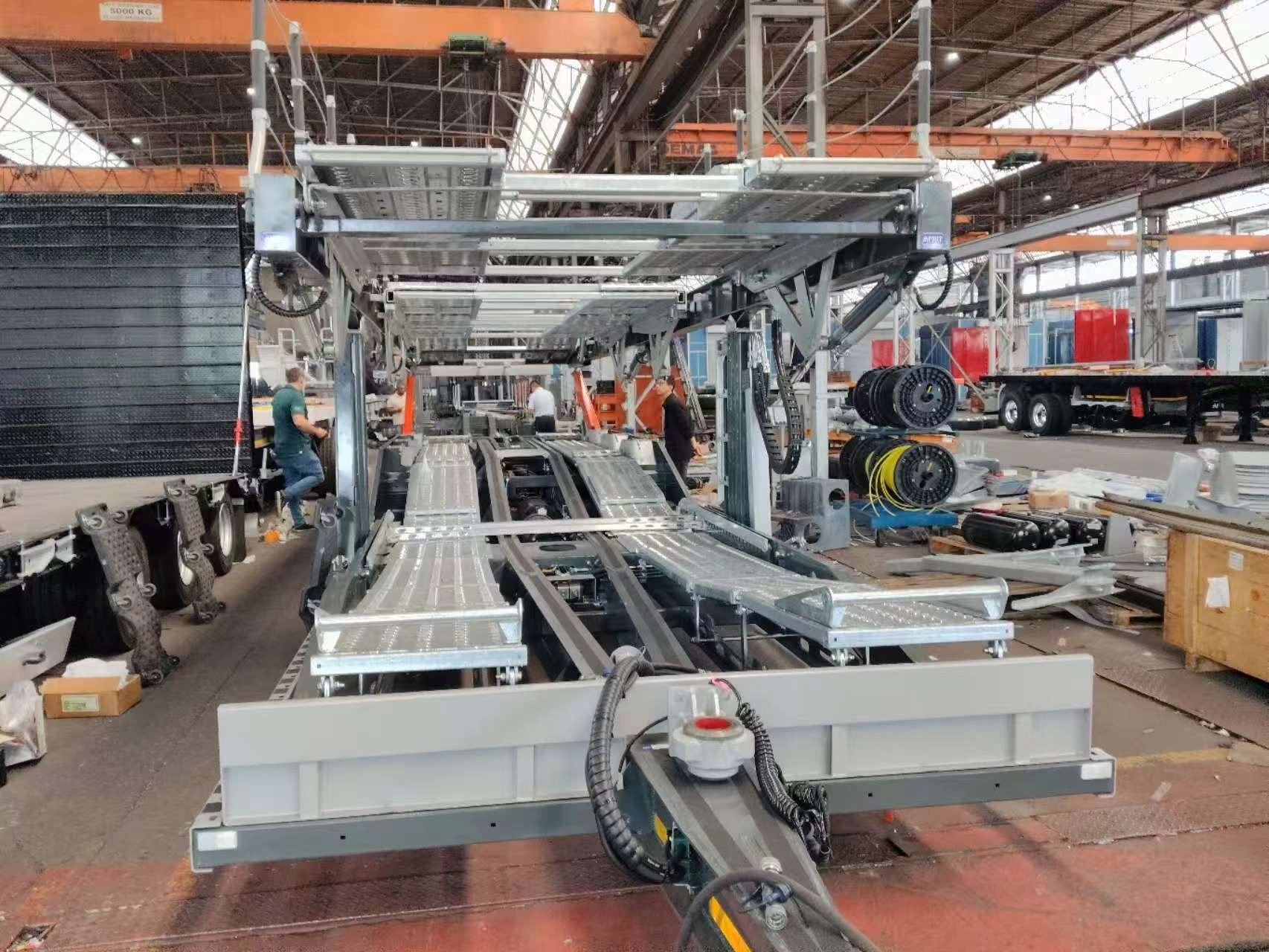
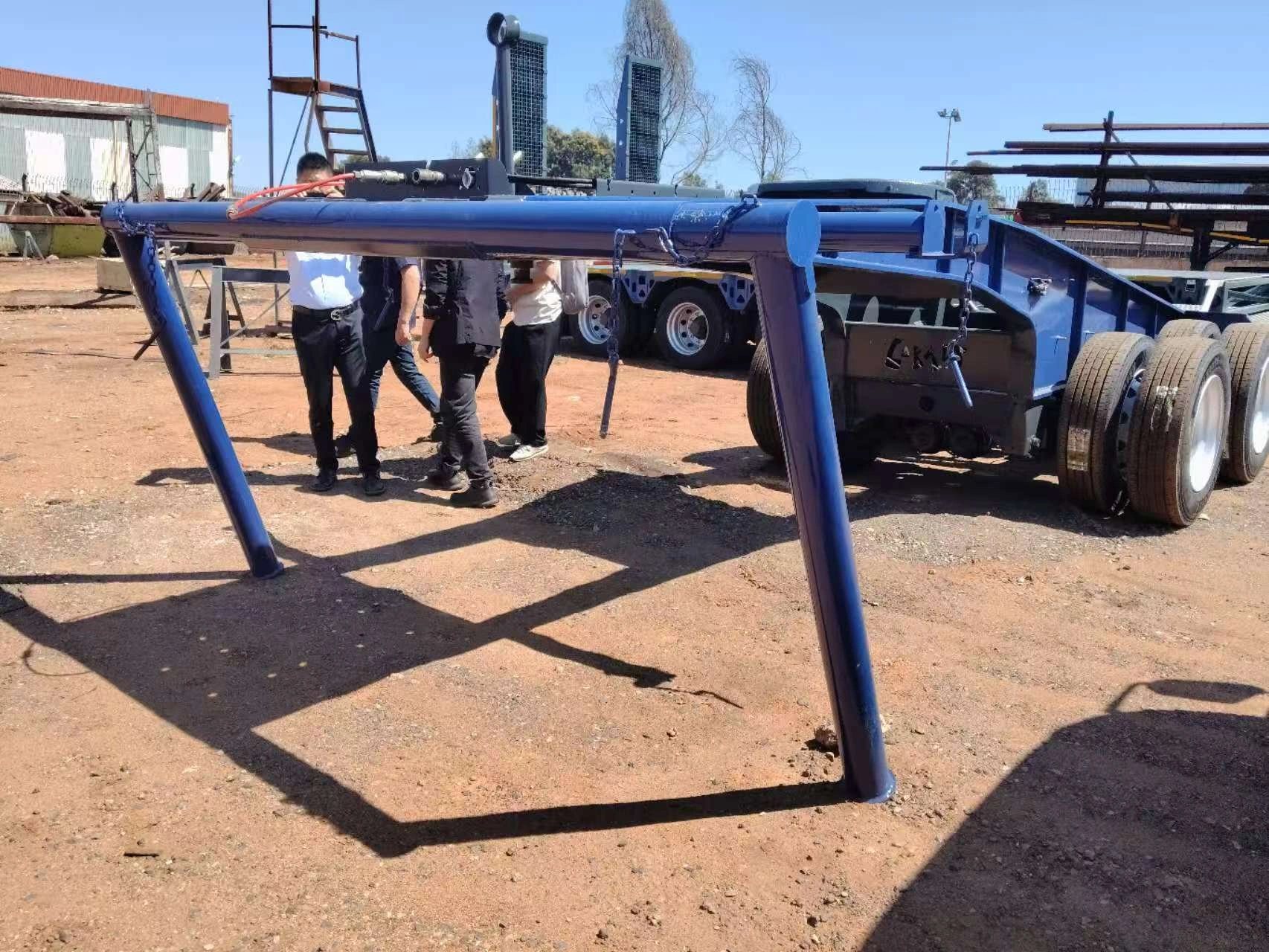
Lowbed, tipper and vehicle-carrier applications
For lowbed trailers, the discussions covered loading method, ground clearance, deck layout and axle distribution. These points affect how construction machinery and other large equipment are loaded and transported. Ramp access and the tractor–trailer connection also need to match conditions at the loading site.
For tipper and dump semi-trailers, the exchange centred on chassis structure, hydraulic lifting arrangements, unloading conditions and maintenance access. Cargo type and the unloading site need to be confirmed before the body form and hydraulic layout are selected.
The visit also included car carrier semi-trailers. Their moving decks, loading paths and transport height introduce a different set of design questions, especially when one trailer must carry vehicles of different sizes.
Regulation must be checked by country and route
One conclusion from the research was that African markets cannot be treated as a single technical standard. A trailer specification must be checked against the destination country, intended route, registration requirements, axle-load control and permitted vehicle dimensions.
Where East African Community rules apply, the official EAC Vehicle Load Control documents include regulations on vehicle dimensions and axle configurations for the Regional Trunk Road Network. The same library publishes separate Special Loads Regulations that address permits and proposed routes for qualifying loads. This is why a factory payload figure cannot replace a review of the complete tractor, trailer, cargo and route.
A closer working relationship with African manufacturers
At the end of the visit, CHENLU and the manufacturers agreed to maintain closer communication on market feedback, product development, manufacturing methods and service needs. The next step is to continue exchanging practical experience and identify projects where cooperation can support a clearly defined local transport task.
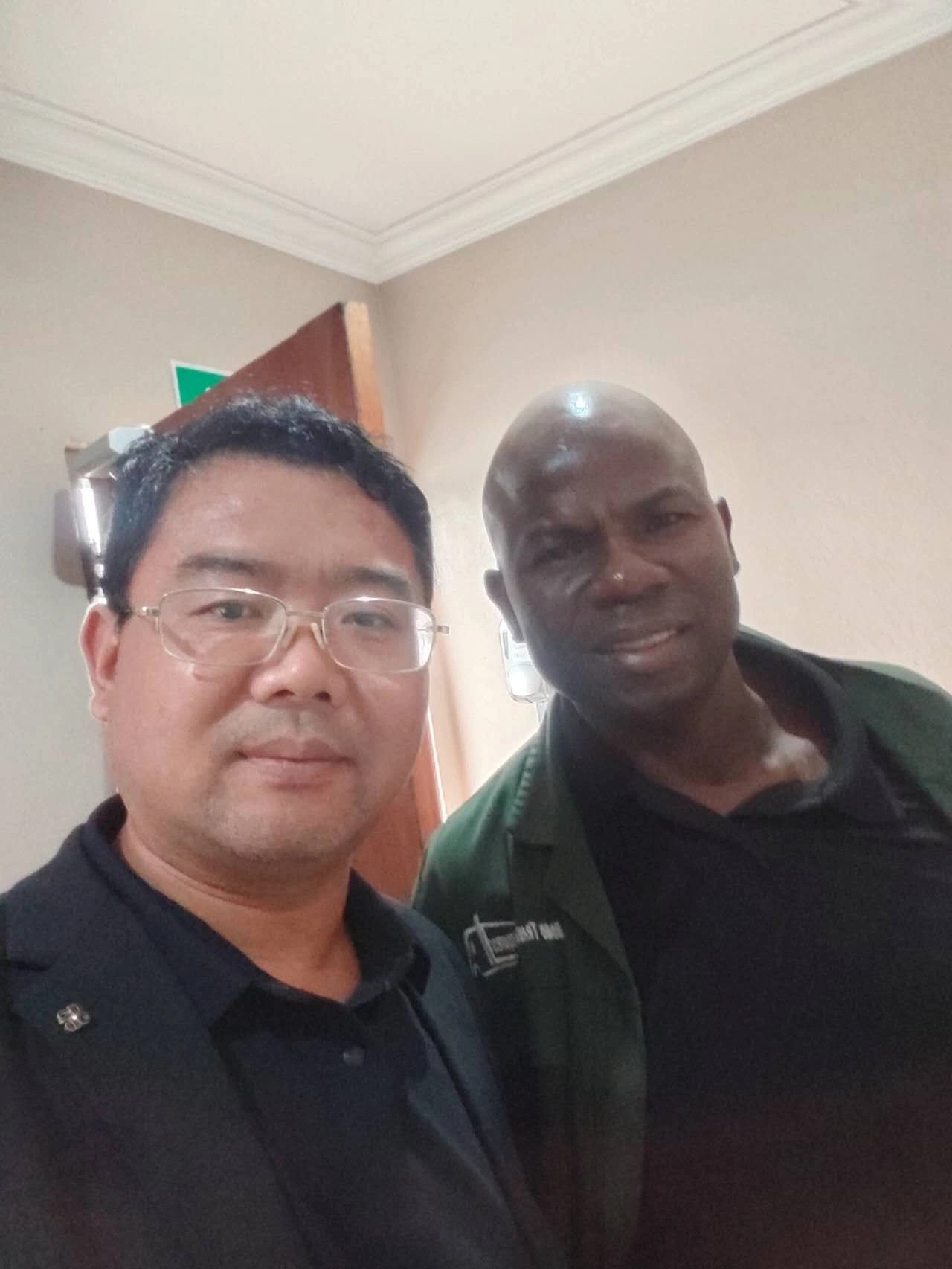
The findings will be carried into CHENLU’s future product reviews for African markets. Each project will begin with the cargo, loading method, tractor, destination country and operating route instead of assuming that one configuration suits the whole region.
Companies planning a semi-trailer project in East Africa can contact CHENLU with the cargo dimensions and weight, loading method, tractor information, destination and intended route for an initial configuration review.
MORE FROM OUR NEWSROOM
Related News
Container Chassis vs Flatbed: Choosing for Your Loads | CHENLU
Compare container chassis an…
Read News ↗
Cement Tanker Unloading: Air Supply & Silo Matching | CHENLU
Check cement tanker unloadin…
Read News ↗
CHENLU Participates in GCC Vehicle Inspection for Saudi Arabia Semi-Trailer Export Projects
CHENLU joined a technical br…
Read News ↗