Container & Cargo Transport

Container and Cargo Transport Trailers

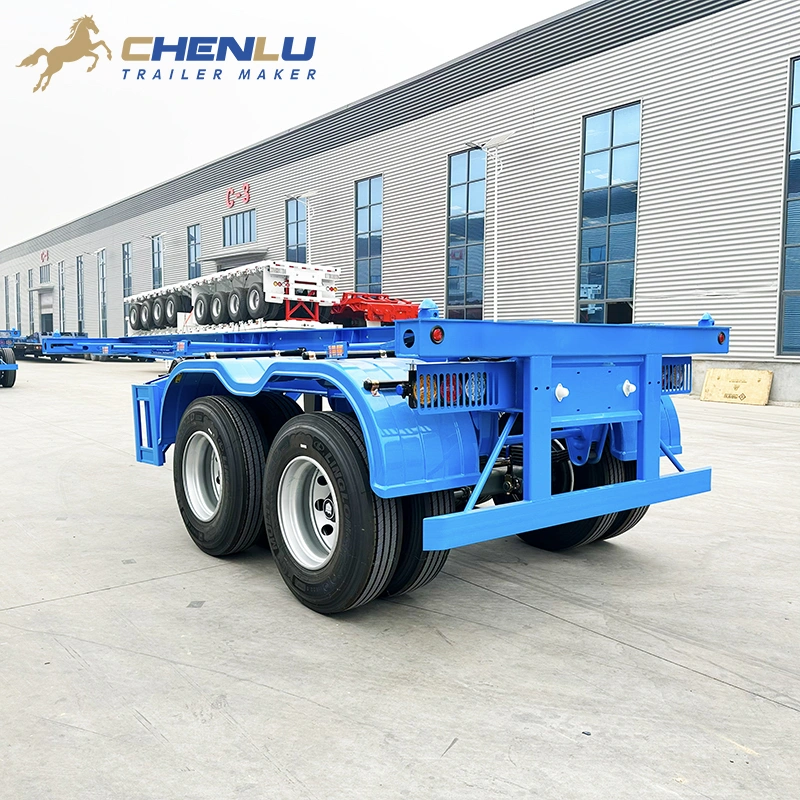
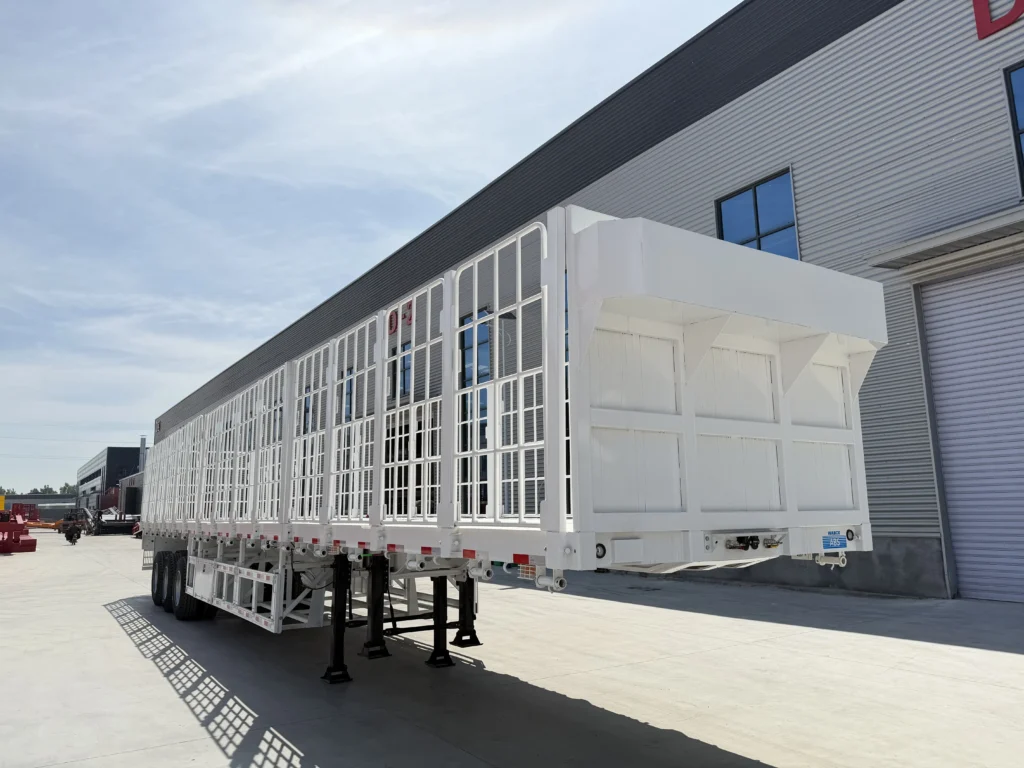
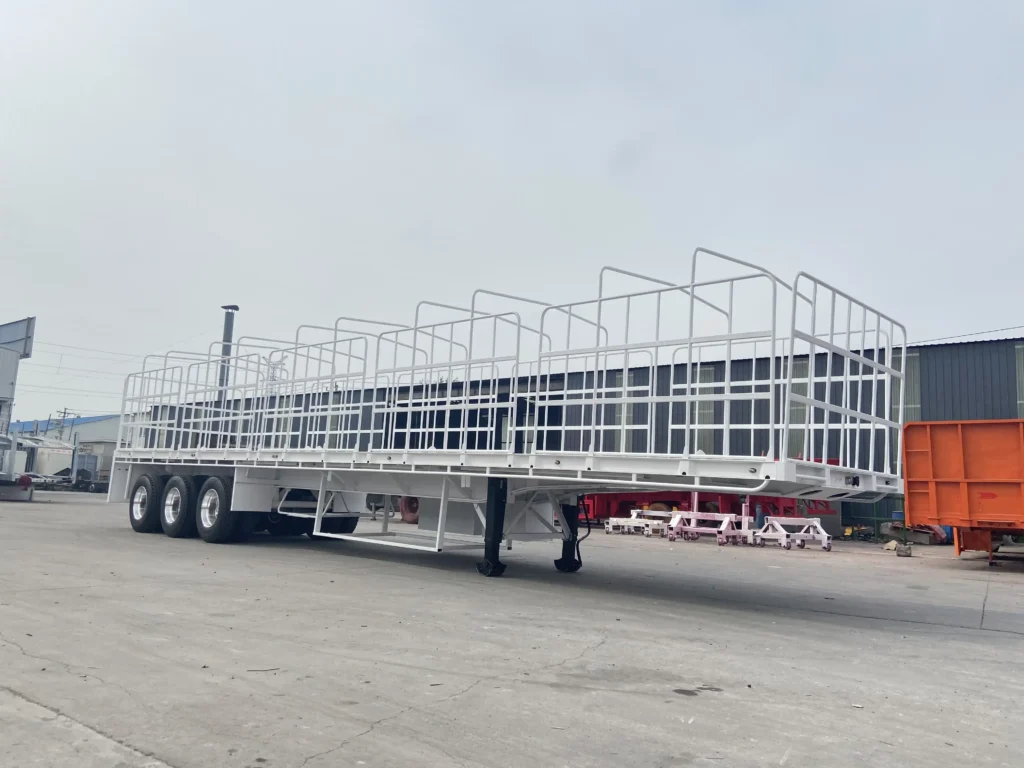
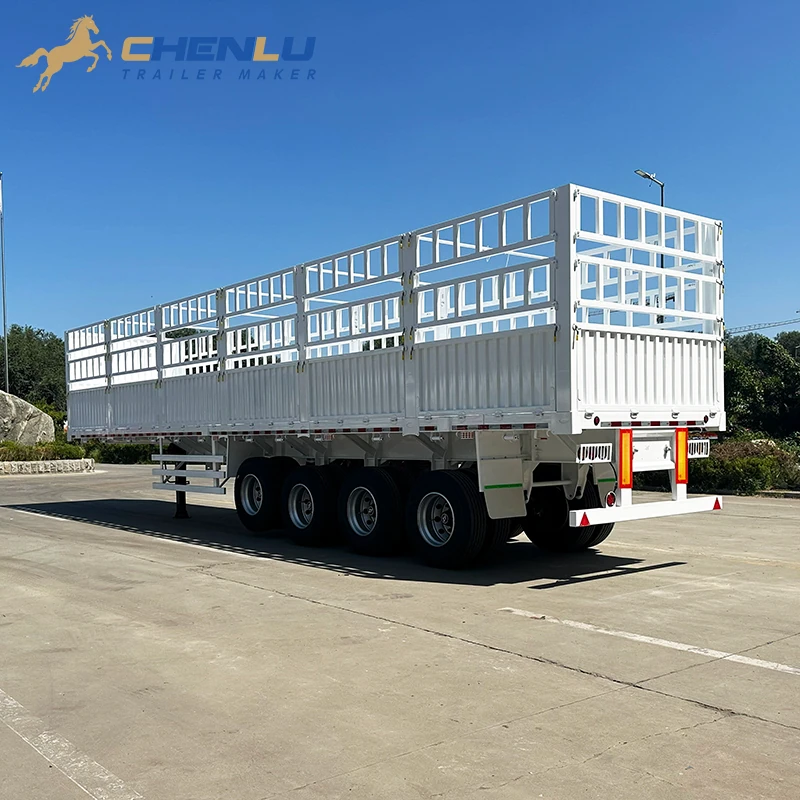
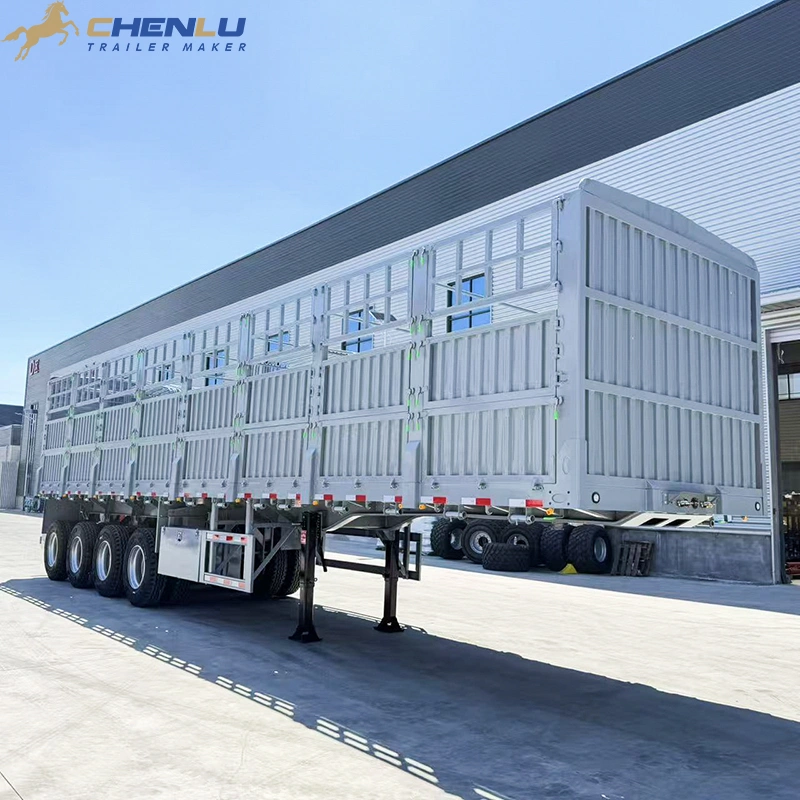
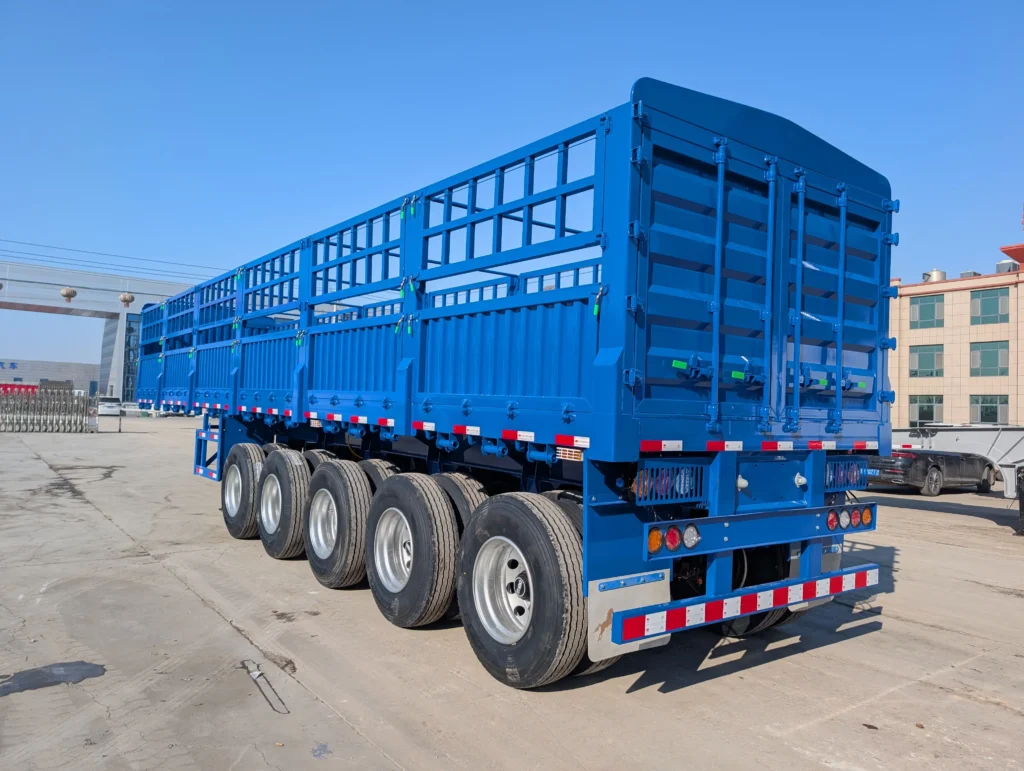
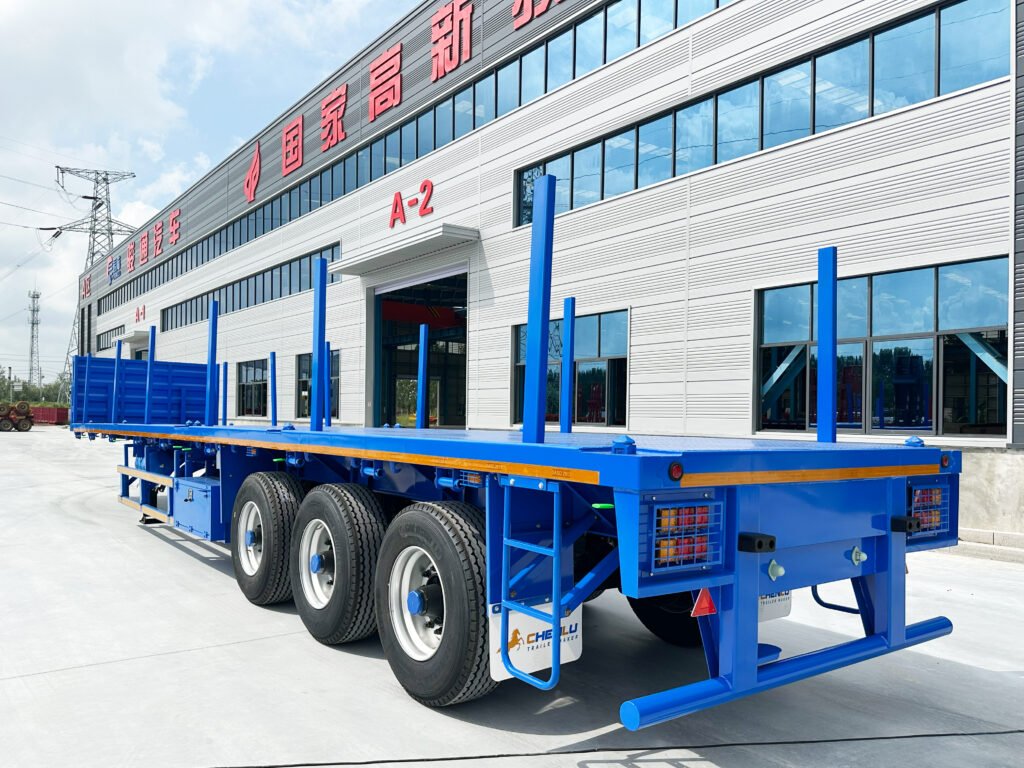
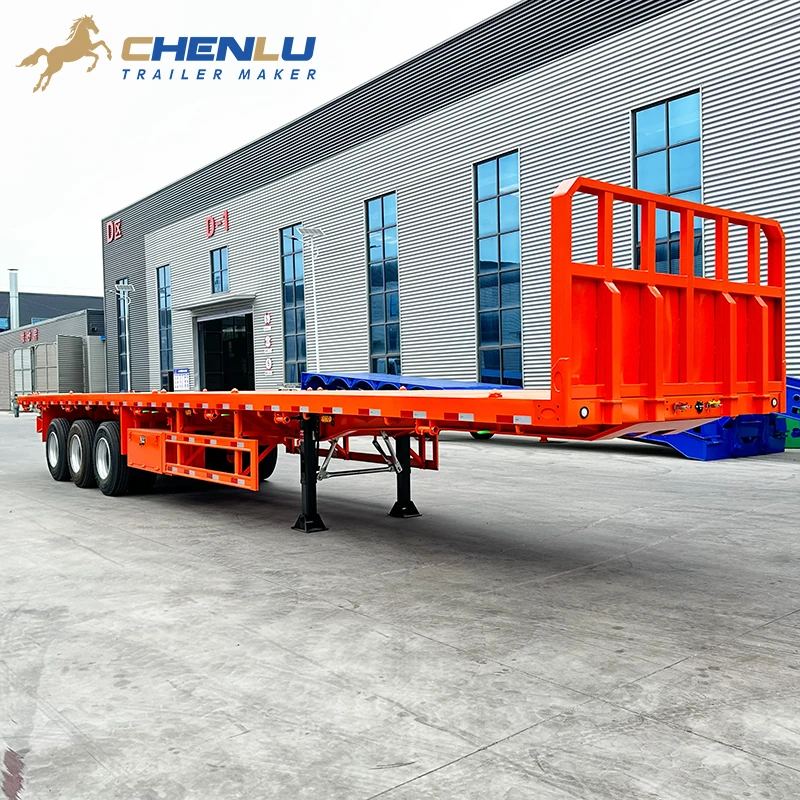
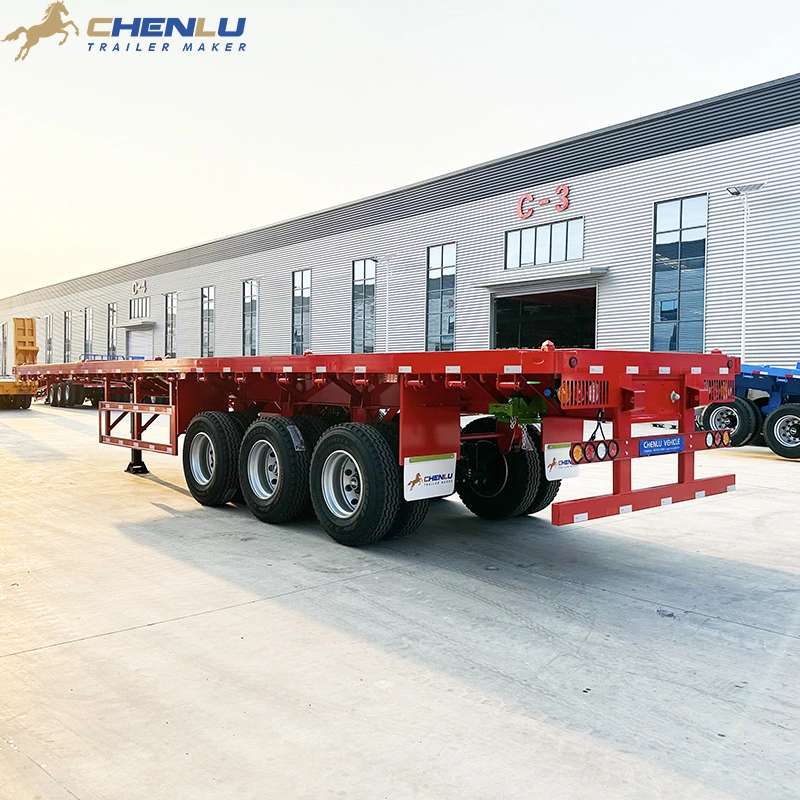
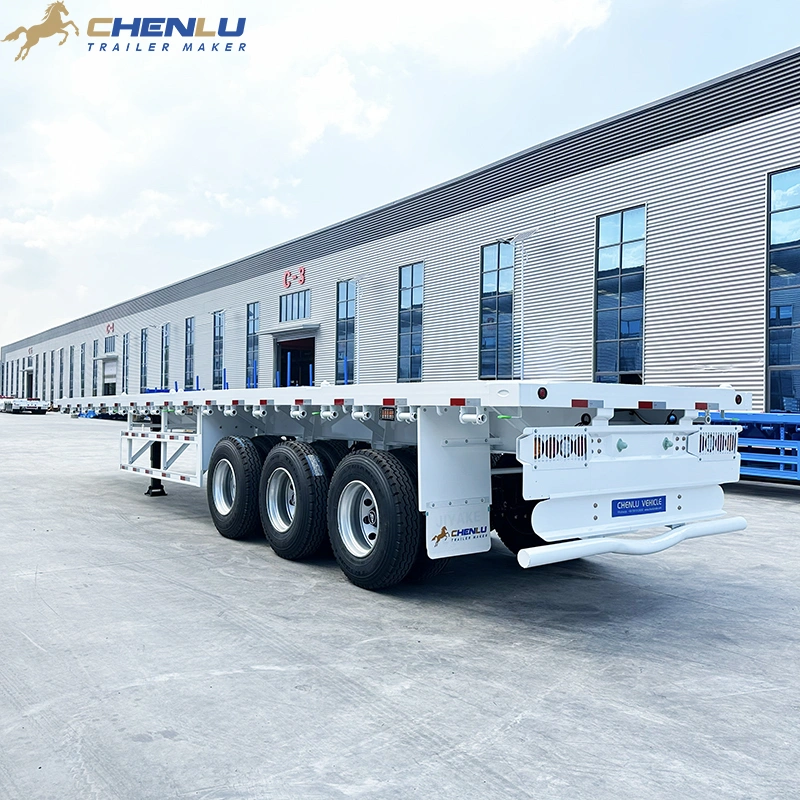
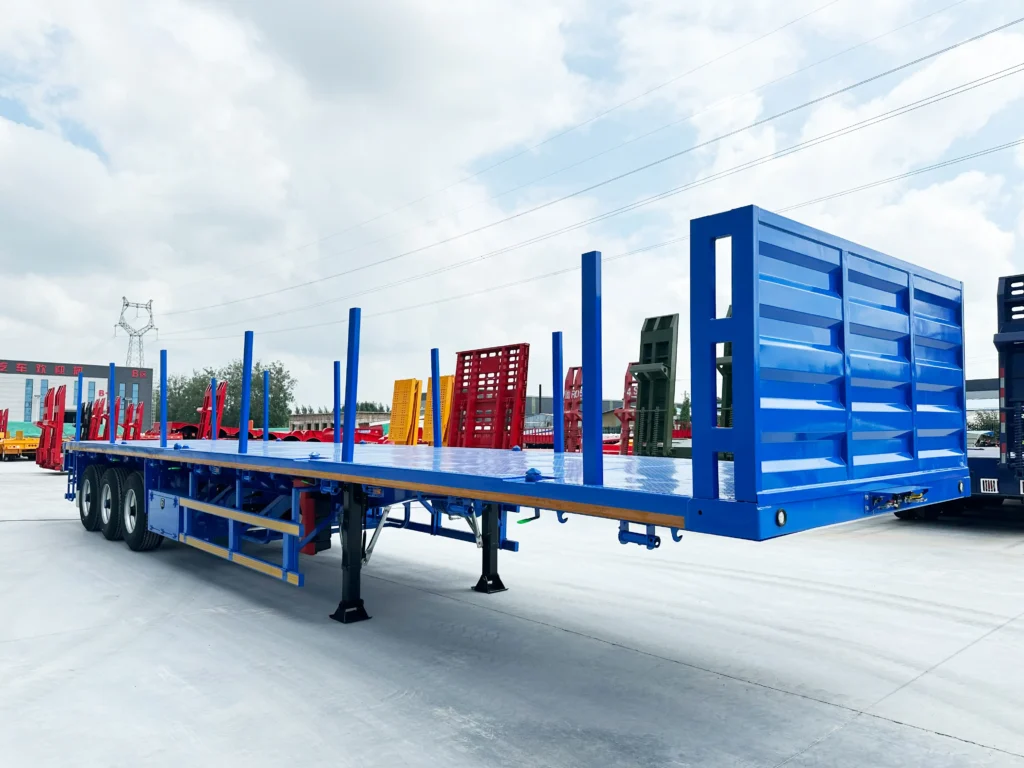
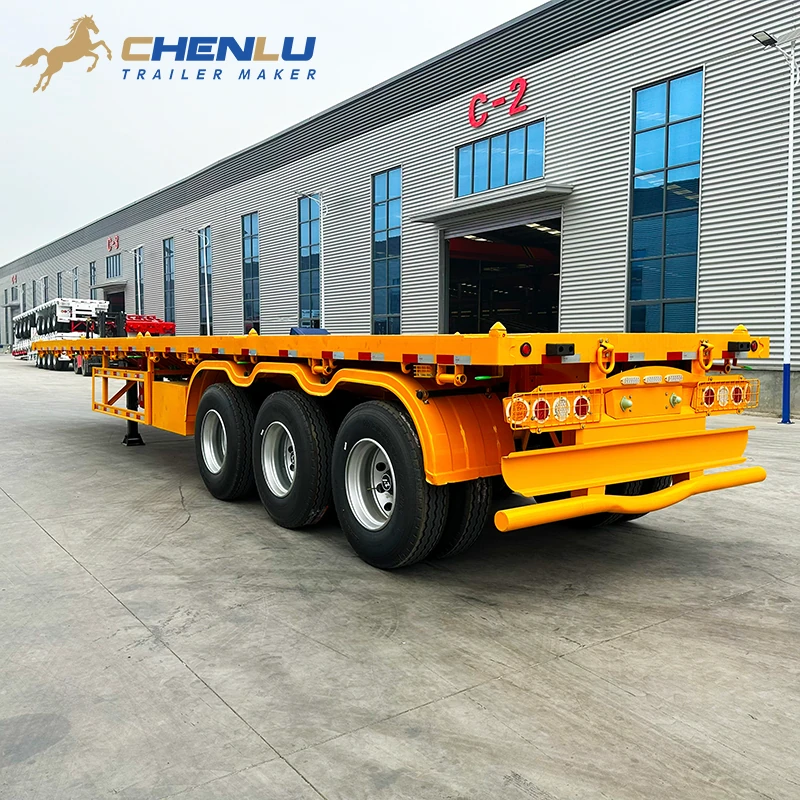
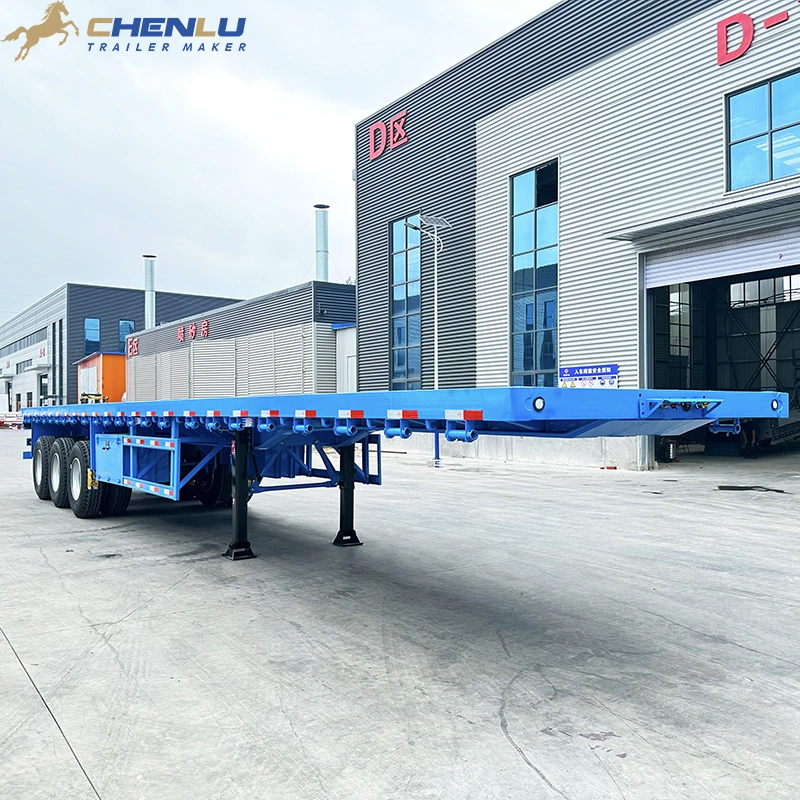
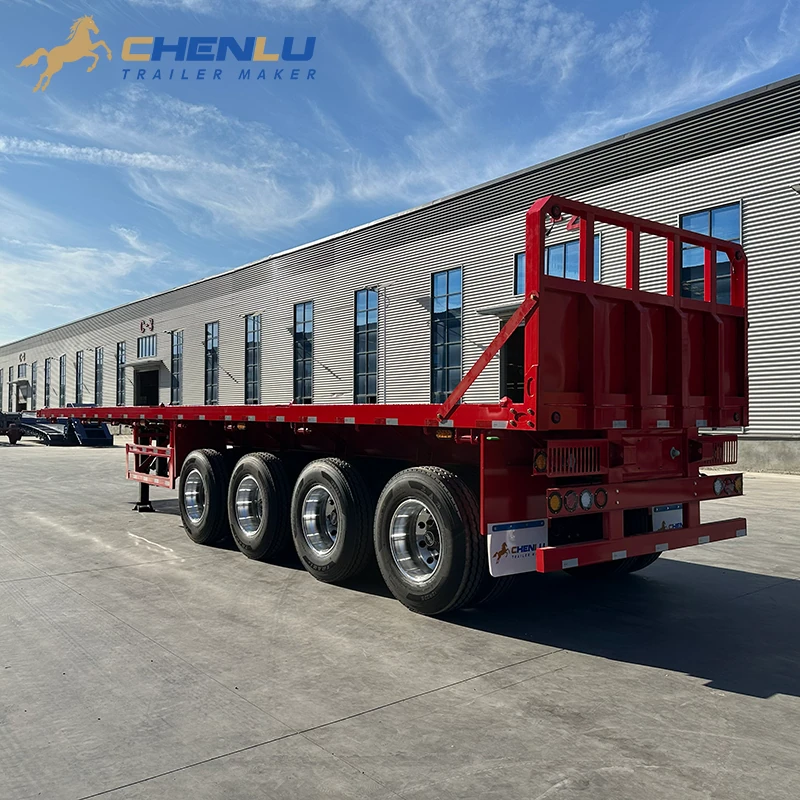
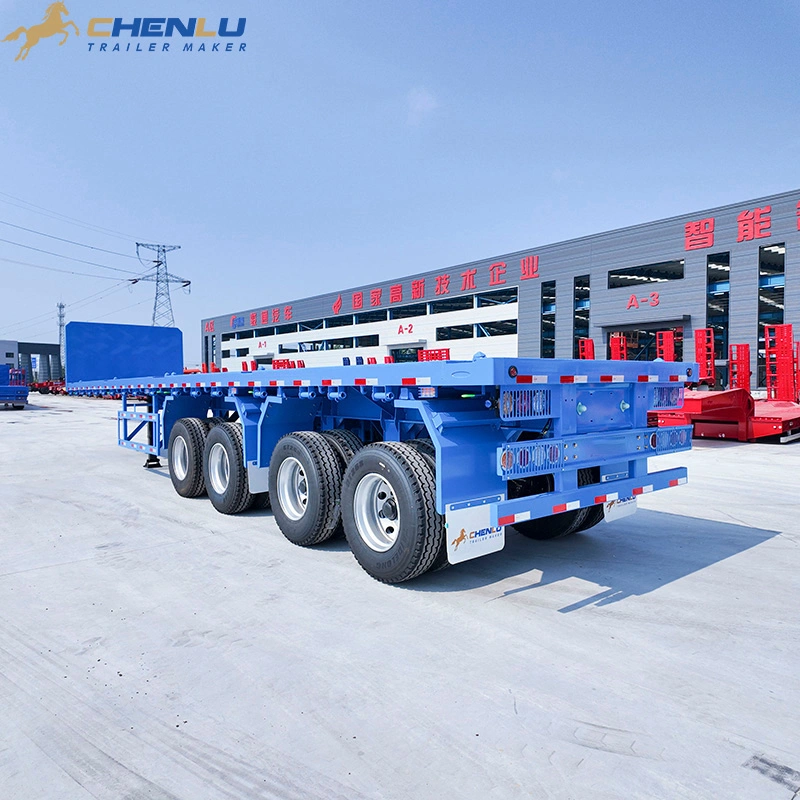
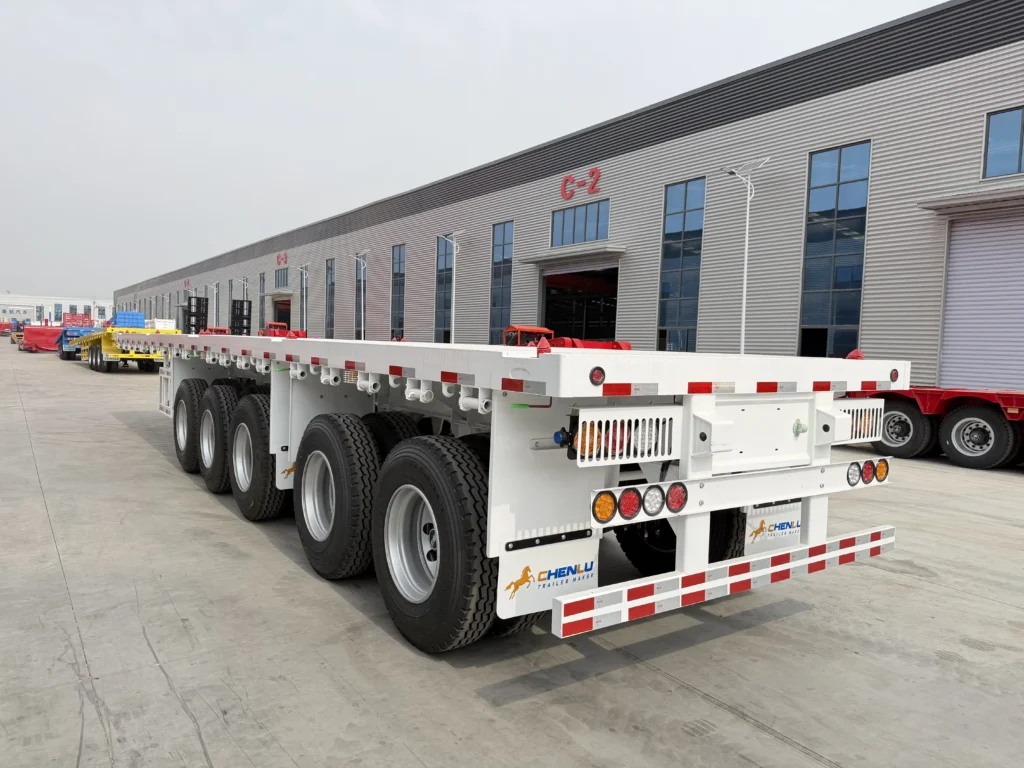
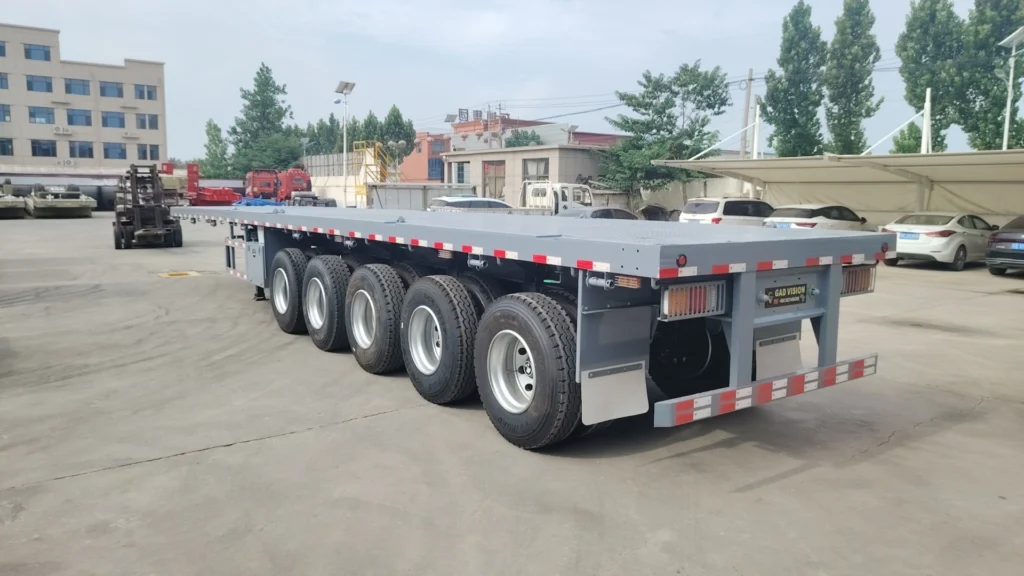
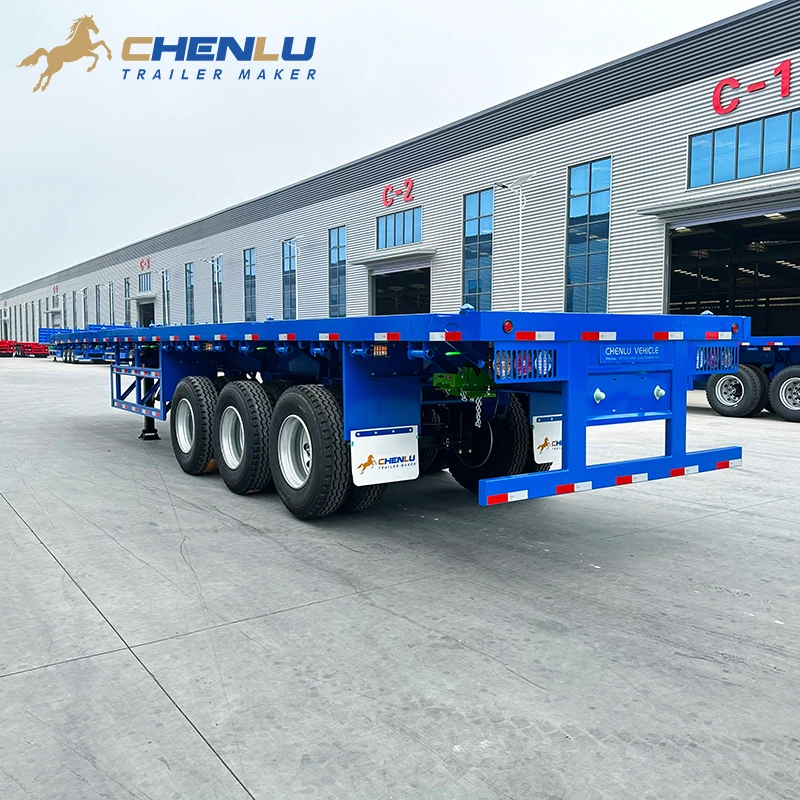
A skeleton trailer carries shipping containers on an open chassis with twist locks. A flatbed semi trailer adds a full deck for containers and general cargo, while a fence cargo trailer uses tall open rails to help contain suitable loose, bagged or bulky loads. As a manufacturer of semi-trailers, Chenlu has always been committed to the quality and research and development of semi-trailers.
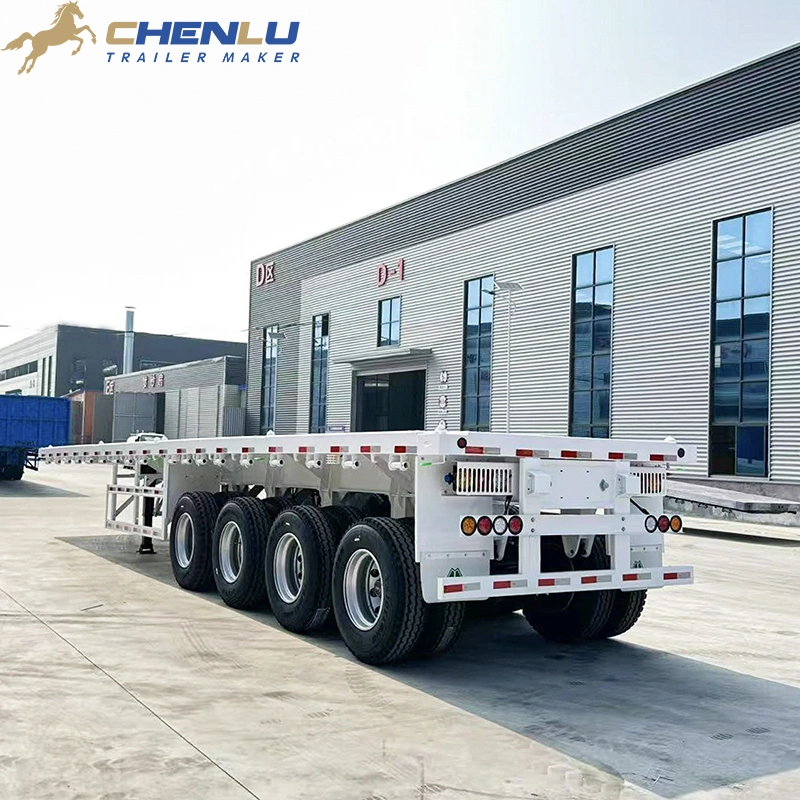
CHENLU skeleton, flatbed and fence trailers for container and cargo transport
Skeleton, flatbed and fence trailer layouts for different cargo-handling work

Container & Cargo Transport

Explore Container & Cargo Trailer Models

01 / Product Category

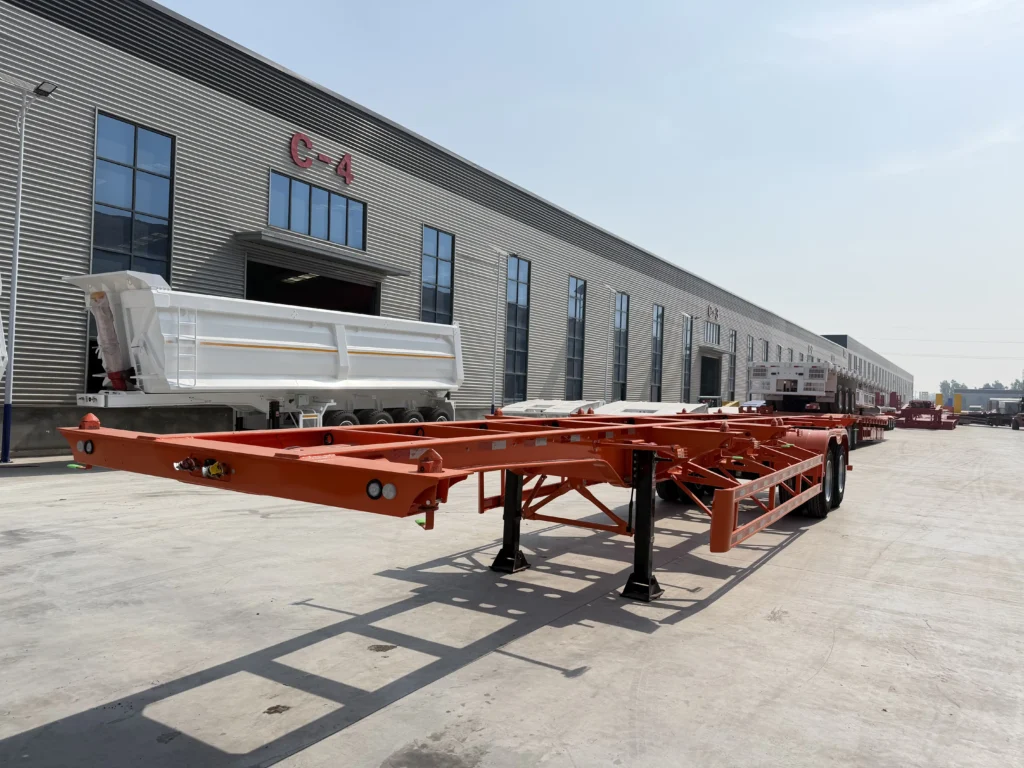
Container Chassis / Skeleton Trailer
02 / Product Category

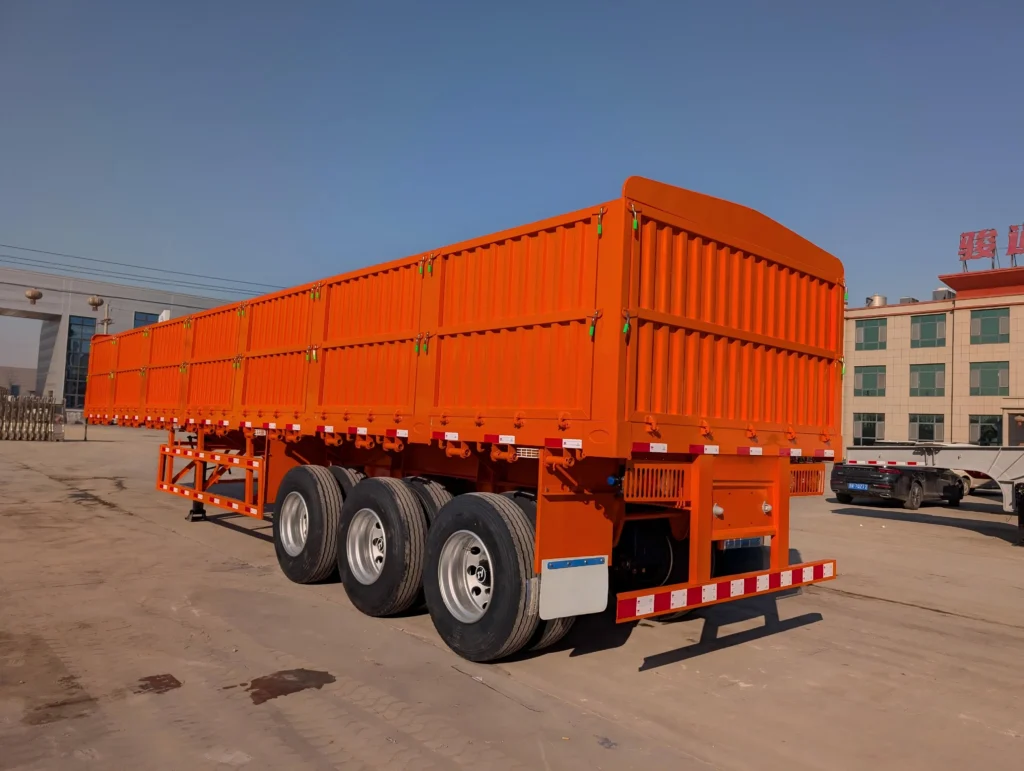
Fence Cargo Trailer
03 / Product Category

Flatbed Semi Trailer
Three Trailer Types Compared

Skeleton, flatbed or fence trailer: which one fits the load?

Start with the surface that supports the load. A skeleton chassis has no continuous deck, a flatbed does, and a fence trailer adds tall open panels around the deck. That difference changes what can be carried, how it is loaded and how it must be secured.

01 / Dedicated Container Work

Skeleton Trailer / Container Chassis

The container is supported at defined chassis positions and held by container locks. With no full deck, the trailer is built around one job: moving compatible shipping containers.

Where it works well

Repeated container movement between ports, depots, rail terminals and delivery sites with suitable lifting equipment.

What it gives up

The open chassis cannot directly support pallets, bundles or loose pieces as a full deck can. Container size and lock positions must match the intended loading pattern.

Choose it when

Most trips carry shipping containers and both ends of the route can place or remove the container from the chassis.

02 / Mixed Cargo Flexibility

Flatbed Semi Trailer

A continuous deck supports cargo along its base. Containers may also be carried when the trailer has the correct lock positions for the container layout in use.

Where it works well

Fleets that load from the side, rear or overhead and move a changing mix of containers, steel, timber, crates or palletized freight.

What it gives up

The full deck adds structure that dedicated container work does not need. Each cargo still requires suitable blocking, tie-downs and weather protection where applicable.

Choose it when

One trailer must handle container trips and general cargo work, or unrestricted side and crane loading is important.

03 / Added Side Containment

Fence Cargo Trailer

A fence trailer combines a cargo deck with tall open rails or panels. The structure provides lateral containment without turning the body into a closed box.

Where it works well

Suitable bagged, baled, agricultural or bulky cargo that benefits from higher sides and can be loaded through planned openings or from above.

What it gives up

Tall rails reduce the completely open side access of a flatbed. They do not replace proper cargo restraint and do not provide the weather protection of an enclosed body.

Choose it when

General cargo regularly needs more side containment than a flatbed, and the loading method is compatible with the fence arrangement.

Simple Selection Rule

Mostly containers: start with a skeleton chassis. Containers plus varied deck cargo: compare a flatbed with the required container locks. Cargo needing tall side containment: review a fence trailer. In every case, confirm the loaded weight, support points, loading equipment, cargo restraint, tractor and route before fixing the configuration.

From Pick-Up to Return Load

How does each trailer work through a complete transport cycle?

The outbound load is only part of the decision. Loading equipment, cargo restraint, unloading access and the return load determine whether a dedicated container chassis or a more adaptable cargo deck will spend more time working on the route.

Transport stage
Skeleton Chassis Dedicated Containers
Flatbed Semi Trailer Open Cargo Deck
Fence Cargo Trailer Deck With Tall Rails
01 / Pick-Up

Loading at origin

What equipment and access are available?

The container is handled as one unit and placed onto the intended chassis positions. The support and lock pattern must match the container being moved.

The open sides and full deck allow side, rear or overhead loading. Deck support, dunnage and restraint preparation change with the cargo.

Cargo is loaded through the available gate arrangement or from above. Fence height, post spacing and opening position affect access before the trailer moves.

02 / Road Leg

Securing the load

Which parts support, lock or restrain it?

Integral locks connect the chassis to the designated container fittings. The locks and their retaining parts must be engaged and checked as part of the loaded combination.

Containers need compatible support and securement positions. Other cargo may require dunnage, blocking, chocks or tiedowns. A flat deck supports the load but does not contain it.

The rails provide a side boundary for suitable cargo. They do not secure the load in every direction, so the cargo restraint and the panel latches remain separate checks.

03 / Delivery

Unloading at destination

Can the receiving site remove the load?

The receiving site needs a suitable way to lift the container from the chassis. If the box stays on the trailer, that chassis remains tied to the load until it is released.

Open side and overhead access can accommodate different unloading methods. The restraint should be removed in a sequence that keeps the remaining cargo stable.

Gate and panel positions set the unloading path. If the load must be reached freely across the full side, an open flatbed may be the more practical body.

04 / Return Leg

The next available load

What can the same trailer carry back?

It fits steady lanes with compatible container work in the traffic pattern. Without a container, the open frame cannot support normal deck freight.

The full deck can accept a wider range of return loads when its support and securement provisions suit the next cargo. This matters on routes where freight changes often.

The return cargo must fit the body opening and benefit from its side containment. Tall rails make it less open than a flatbed for unrestricted side loading.

Choose from the busiest repeat journey, not the longest product list

Steady container cycles point toward a skeleton chassis. Mixed contracts and changing return loads give the flatbed more work it can accept. A fence trailer earns its place when regular loads need tall side containment and the loading openings remain practical. The final layout still needs to match the container positions or cargo footprint, loaded weight, tractor, axle distribution and route.

Buyer FAQ

Container and Cargo Trailer FAQs

Skeleton chassis, flatbed trailers and fence trailers can use similar running gear, but the body above the frame does different work. These questions deal with the choices that the model name or axle count cannot answer by itself.

FAQ 01 What is the difference between a skeleton trailer and a flatbed trailer?

A skeleton trailer is an open chassis built around shipping container support and lock positions. A flatbed trailer has a continuous deck that supports containers and other suitable cargo. The skeleton layout suits regular container work. A flatbed makes more sense when the same trailer must also carry loads that need a full deck.

FAQ 02 Can a flatbed semi trailer carry a shipping container?

Yes, when the container is properly supported and secured by an arrangement that suits the container and the applicable transport rules. A flatbed intended for this work normally needs the correct container-lock positions. Overall deck length alone does not confirm fit. Check the support and lock layout on the configuration drawing.

FAQ 03 Are skeleton trailer, skeletal trailer and container chassis the same thing?

The three names often describe the same general type of open container-carrying chassis. “Skeletal trailer” is common in some markets, while “skeleton trailer” and “container chassis” are common elsewhere. The name does not confirm container length, lock positions or axle layout, so those details still need to be checked for the individual model.

FAQ 04 When should a fence cargo trailer be chosen instead of a flatbed?

Choose a fence trailer when suitable cargo benefits from tall side containment and the planned loader can work through the gates or from above. Choose an open flatbed when broad side access is more important or the cargo does not fit comfortably within the fence arrangement. The loading and unloading method often settles the choice.

FAQ 05 What cargo is normally suited to a fence semi trailer?

Fence trailers are commonly considered for suitable bagged, baled, agricultural and bulky general cargo that needs more side containment than an open flatbed provides. Packaging, particle size and weather exposure still matter. Fine material can pass through open rails, while weather-sensitive freight may require a cover or a different body type.

FAQ 06 Are fence panels enough to secure the cargo?

No. Fence panels provide a boundary around the load, but they do not automatically prevent movement in every direction. The cargo may still need suitable blocking, dunnage or tiedowns. Gates, removable sections and latches must also remain secured. The final method depends on the cargo and the rules that apply on the route.

FAQ 07 Does adding more axles always increase the legal payload?

No. Axle count is only one part of the weight calculation. The loaded weight, cargo position, tractor fifth-wheel load, axle spacing, route limits and destination rules must be considered together. An additional axle may change load distribution, but it does not by itself approve a higher legal payload.

    Get a Quote Now


    Submit your inquiry to receive a precise quote and professional advice for your project.